Fox Sighting at Avalon Beach in Broad Daylight Puts Northern Beaches Wildlife on Alert

A fox sighting at Avalon Beach during daylight hours this week has alarmed locals and wildlife advocates, raising fresh concern for the native species that make the Northern Beaches one of the most ecologically significant stretches of coastline in metropolitan Sydney.


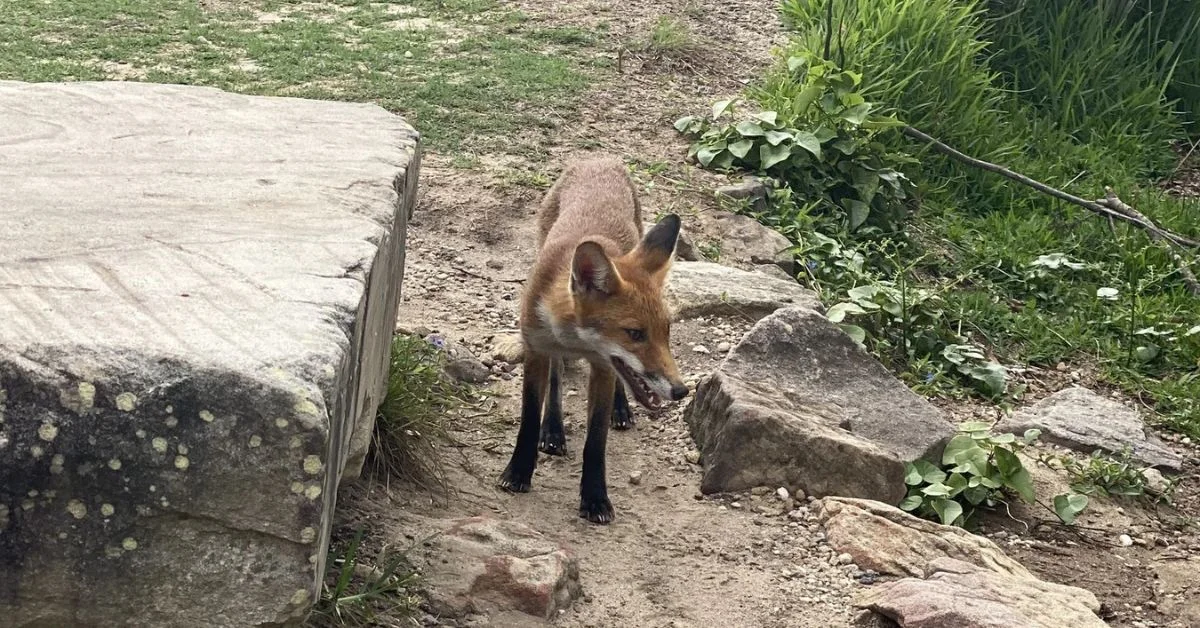
A resident photographed the European red fox roaming the beachfront reserve in the middle of the day, a marked departure from the nocturnal behaviour foxes typically display. The images spread quickly through the community and divided Avalon locals between those who felt sympathy for the animal and those alarmed at what its brazen daytime appearance signals for the native wildlife living along the coast and in surrounding bushland. For ecologists and wildlife advocates who have spent years working to protect bandicoots, wallabies, possums and Sydney’s only mainland Little Penguin colony, the fox sighting came as no surprise and no comfort.

What a Daytime Fox Sighting Actually Signals

Foxes are primarily nocturnal hunters, but experts at the Invasive Species Council note that daytime fox sightings are becoming less unusual as the animals grow increasingly confident in urban and coastal environments. The shift happens when a fox reads the area as safe enough for daytime movement, or when a vixen is feeding cubs and must forage more frequently than darkness alone allows. Foxes are highly adaptable animals that adjust their behaviour based on opportunity and perceived risk, and when risk reads low and food is available, the boundary between day and night disappears quickly.
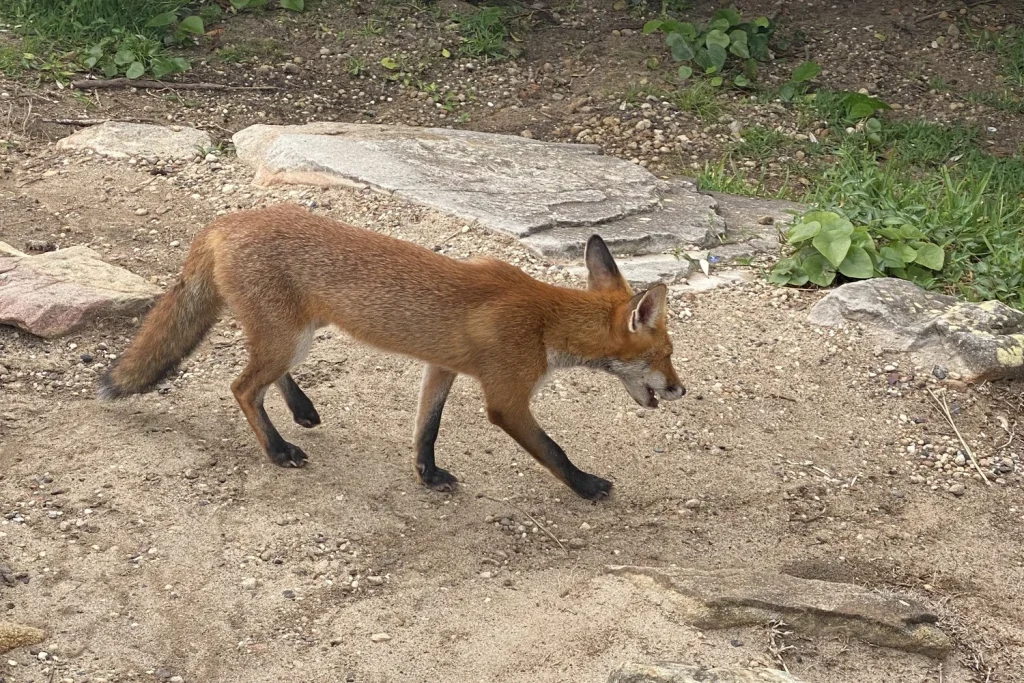
Fox sighting
Photo Credit: Janine Moller

That adaptability is precisely what makes the fox such a damaging presence in the Australian environment. Native animals never evolved alongside European red foxes and carry no instinctive strategies for avoiding them. The fox, meanwhile, is an intelligent and efficient hunter that typically kills well beyond what it needs to eat, particularly when it encounters animals that offer no learned defences.

The native animals most at risk from fox predation on the Northern Beaches include swamp wallabies, ringtail possums, long-nosed bandicoots, southern brown bandicoots, ground-nesting birds and, critically, Little Penguins. The Avalon area sits within one of the last strongholds for long-nosed bandicoots remaining in the Sydney region, with significant populations concentrated along the coast between Newport and Pittwater.

A Colony Still Counting the Cost of One Fox

The stakes of a fox sighting anywhere near the Northern Beaches coastline become clear when measured against what happened at North Head, Manly, in June 2015. A single fox killed 26 Little Penguins in eleven days, devastating the only mainland breeding colony of Little Penguins in New South Wales. The Manly colony’s baseline population has never returned to where it stood before the 2015 attack, and the most recent breeding season recorded just 19 breeding pairs. The colony has been listed as endangered since 1997, and in the decade between 2013 and 2023, breeding pairs fell from 70 to 19, a record low.
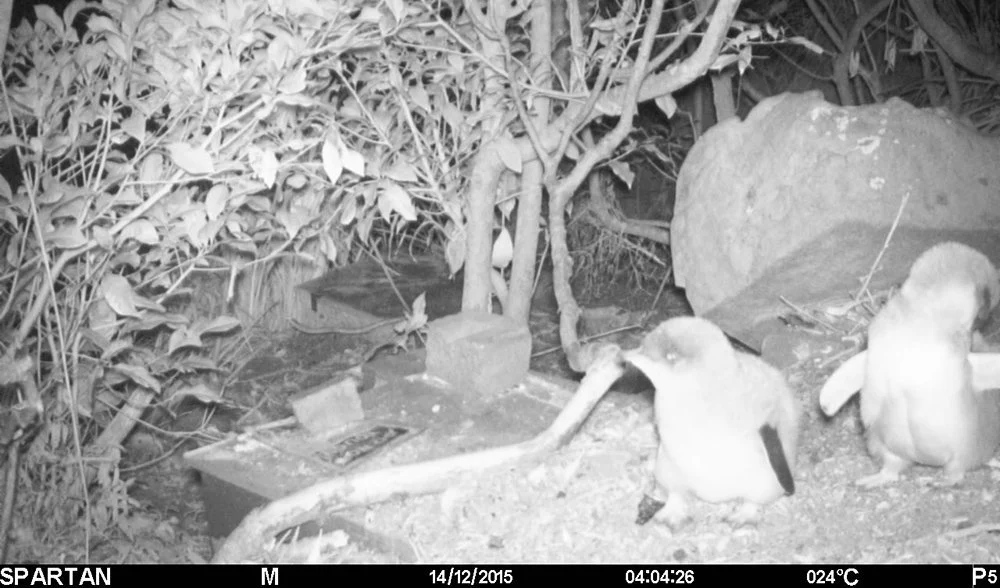
Photo Credit: Office of Environment and Heritage

The response to the 2015 attack transformed how the colony is now protected. Motion-sensing cameras, thermal detection equipment, fox-deterrent lighting and dedicated penguin wardens stationed at breeding sites from sunset each evening now form part of an ongoing protective effort coordinated by NSW National Parks and Wildlife Service. Fox baits are laid year-round at North Head, and rapid action including baiting, trapping and shooting follows any confirmed fox detection near the colony. Despite that sustained effort, the colony remains acutely vulnerable. It is small, closely observed and one fox away from another catastrophic event.

How Fox Control Works on the Northern Beaches

Fox management across the Northern Beaches operates as a coordinated program involving NSW National Parks and Wildlife Service, Local Land Services and other agencies with responsibilities across the region. Control activities include shooting, baiting with 1080 poison buried at confirmed activity sites, trapping, fumigation and fencing, with the specific combination of methods determined by the type of land, the species at risk and the level of confirmed activity.

When baiting programs are active in reserves, signage is placed at entry points and adjoining residents receive direct notification. Pet owners need to take particular care during active baiting periods: 1080 poison is lethal to cats and dogs, and a single bait carries enough toxicity to kill either. During baiting periods, affected reserves close to dogs entirely. In the event of accidental poisoning, immediate veterinary attention is essential.

Experts across the field consistently note that partial or isolated control efforts cannot solve the problem long-term. Foxes recolonise areas quickly when control is patchy or interrupted, making sustained effort across contiguous land managed by multiple agencies simultaneously the only approach that delivers meaningful protection for native wildlife.

What Avalon Residents Can Do

Every fox sighting reported strengthens the picture of where foxes are active and where control efforts need to focus. FoxScan, a free resource available to all residents, accepts reports of fox sightings, signs of fox activity, den locations and attacks on native or domestic animals. The FoxScan app is available free on both iOS and Android, and every new entry triggers a notification to the invasive species team responsible for the area.

Beyond reporting, the steps residents take at home carry direct consequences for both foxes and the native wildlife that foxes prey upon. Keeping bin lids closed, using enclosed compost bins, bringing pet food inside overnight, securing chicken coops and rabbit hutches and removing fallen fruit from yards all reduce the food sources that draw foxes into residential and coastal areas. Keeping cats indoors overnight and dogs supervised near bushland removes additional pressure from the already stressed native animals sharing that habitat.

Fox sightings can be reported via the FoxScan app or at feralscan.org.au/foxscan. To report injured native wildlife, contact WIRES on 1300 094 737 or Sydney Wildlife on 9413 4300.


Published 26-February-2026.
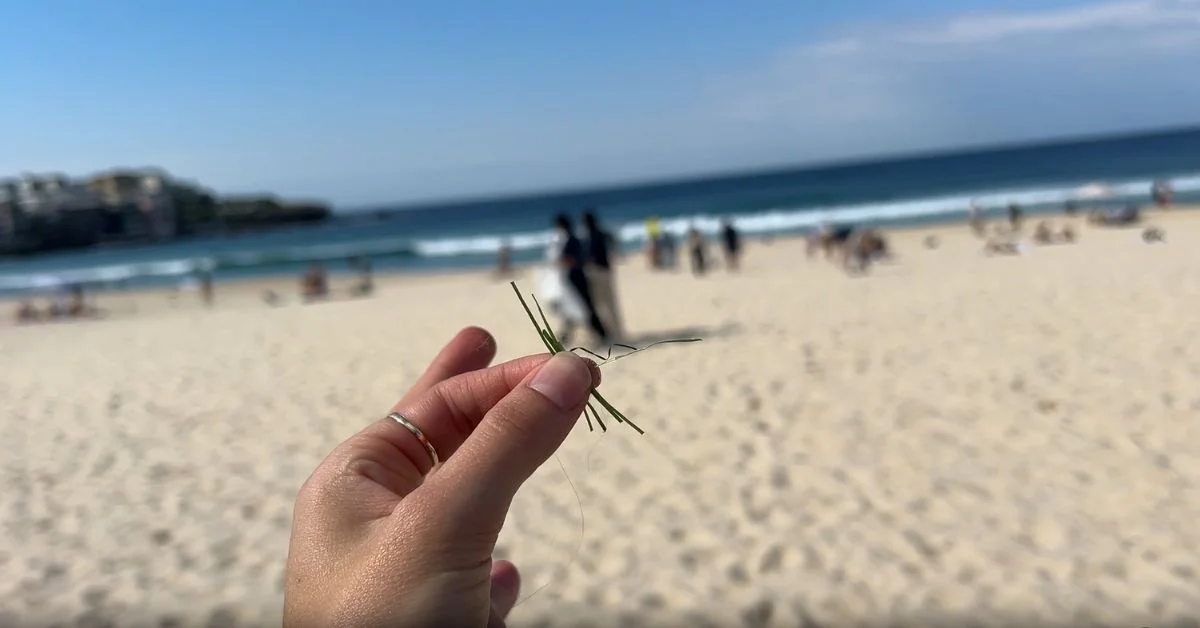
Synthetic Grass Microplastics Increasingly Found in Northern Beaches Waterways Including Avalon and Careel Bay

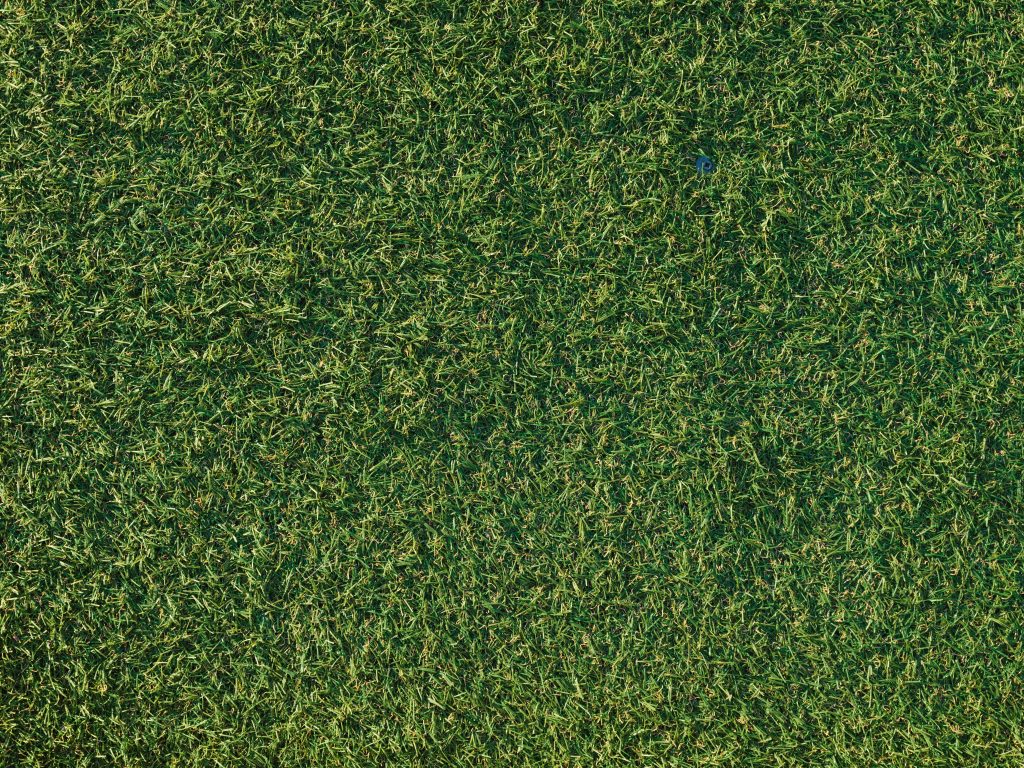
Microplastic fragments from synthetic grass surfaces are showing up with increasing frequency across Sydney’s Northern Beaches waterways, with research revealing a tenfold increase in some locations between 2022 and 2025.


The Australian Microplastic Assessment Project has been tracking synthetic grass debris across metropolitan Sydney since 2019, finding that these plastic fibres are released from sports fields, residential yards and playgrounds through everyday wear, weathering and maintenance. The fragments then enter stormwater systems and accumulate along shorelines, where they can be ingested by wildlife and act as sponges for other environmental pollutants.

Careel Bay has been included in microplastic monitoring efforts by Living Ocean, which has conducted 17 surveys on Sydney’s Northern Beaches and the Central Coast using AUSMAP protocols. The citizen science study of Careel Bay examines microplastics alongside macro plastic, seagrass and mangrove research.

Dramatic Increases Recorded Across Sydney

At Rose Bay in Sydney Harbour, synthetic grass debris has increased approximately tenfold between 2022 and 2025, reaching over 20 blades per square metre. The highest average concentration recorded was at Tower Beach in Botany Bay, where up to 2,500 blades per square metre were found in 2024, likely due to nearby synthetic grass fields and local stormwater patterns.

Manly Cove has seen synthetic grass fragment concentrations triple since the fragments were first detected in 2019, despite natural year-to-year fluctuations. Researchers consistently find synthetic grass in samples from multiple Northern Beaches locations, with concentrations notably higher in 2025 than in previous years.

Photo Credit: Pexels

How the Pollution Spreads

Synthetic grass microplastic fibres escape from their sources through wear, weathering and maintenance activities like mowing and cleaning. Once mobilised, the fragments travel through stormwater networks and persist in sediments and along shorelines.

Research with Northern Beaches authorities found that 80 percent of waste entering stormwater drains near synthetic sports fields was rubber crumb and microplastics from artificial turf, compared to five percent in areas without these playing fields.

The pollution appears particularly pronounced after wet or windy weather and when many games have been played on synthetic fields. These surfaces are now commonplace across Australia, appearing on community and elite sports fields, school playgrounds, party boats, residential yards and public landscaping.

Environmental and Health Concerns

Synthetic grass installations have been associated with multiple concerns beyond microplastic pollution, including surface temperatures reaching up to 75 degrees Celsius on hot days, increased player injury risk, reduced biodiversity and intensified urban heat. The rubber crumb infill made from recycled tyres has known toxic and carcinogenic properties.

AUSMAP is calling for a five-year moratorium on new planning and approvals for synthetic grass fields until further research clarifies potential human and environmental harm.

The organisation also wants enforcement of Australian standards for pollution mitigation measures on synthetic grass fields and substantial investment into improving drainage and conditions of natural grass fields to avoid synthetic alternatives.

Authorities released guidelines in May 2025 for managing potential environmental and human health risks in the design and management of synthetic turf sports sites, acknowledging known issues with microplastic pollution and heat generation while noting the need for these fields to accommodate increasing populations.


Published 9-February-2026.

Landslide Destroys Great Mackerel Beach Home as Storms Devastate Avalon

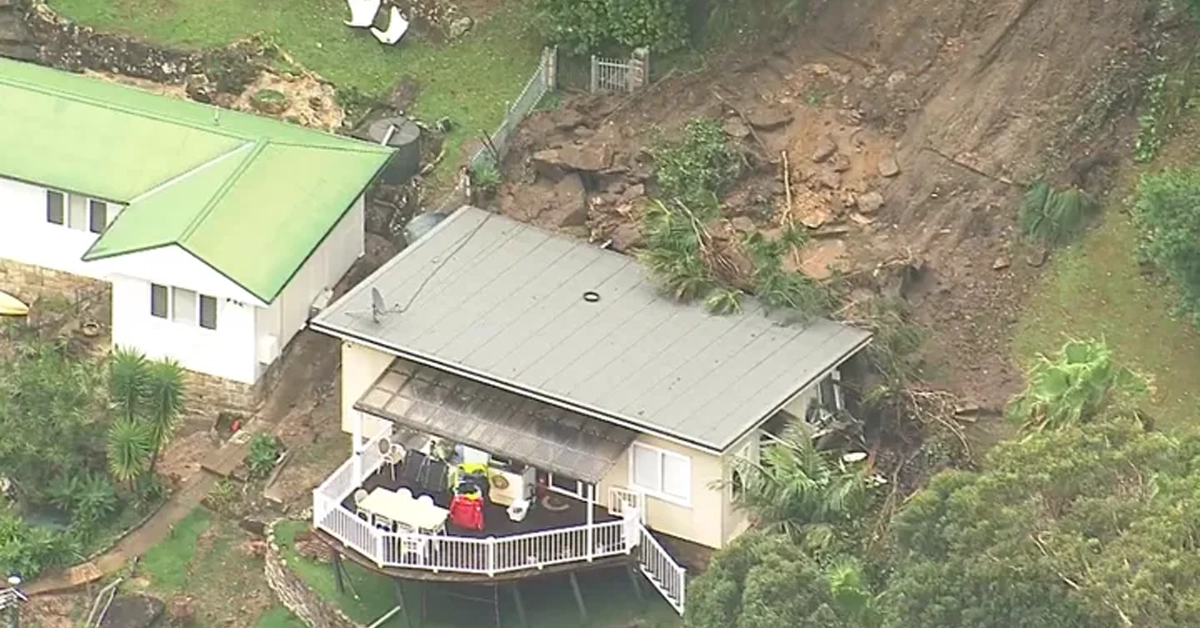
Severe storms battered Avalon on Saturday afternoon, bringing torrential rain that caused widespread flooding and a devastating landslide that destroyed a home at Great Mackerel Beach.


The deluge began around 2.00pm, with Avalon Beach recording 62.5 millimetres of rainfall in just one hour. The intense downpour overwhelmed drainage systems and stormwater infrastructure, flooding hundreds of homes and dozens of roads across the area.

Shopping centres along Barrenjoey Road at both Avalon Beach and Palm Beach were inundated, while emergency services fielded multiple Triple Zero calls from motorists trapped by rising waters. The rainfall continued throughout the afternoon and evening, with approximately 170 millimetres falling across the area.

At Therry Street in Avalon Beach, NSW State Emergency Service crews rushed to assist a family shortly after 9.00pm. Four adults, two children and two pets were trapped on the upper level of their home as floodwaters engulfed the ground floor.

Great Mackerel Beach bore the brunt of the storm system, recording 264 millimetres of rain over 24 hours. The offshore community’s only road access via fire trail became impassable, leaving residents isolated.

The Great Mackerel Beach Rural Fire Brigade began receiving calls for assistance mid-afternoon as significant flooding affected Monash Parade and Diggers Crescent. By 5.00pm, residents were protecting their homes with sandbags whilst a local electricity substation faced the threat of water inundation.

Although flooding appeared to ease by 7.00pm, the respite proved temporary. Around 9.30pm, the waterlogged hillside behind homes at Diggers Crescent gave way, sending mud and rocks cascading down the slope.

A large tree was uprooted and pushed into the rear of a house, shifting the structure approximately 400 millimetres from its foundations. A couple in their 60s were inside at the time, with the woman reportedly struck by debris as the tree slammed into the building.

Local RFS crews arrived quickly and reported that the couple had been evacuated to a nearby property where two doctors were providing care. The home has been deemed uninhabitable.

Poor weather conditions prevented helicopter access, and even the West Pittwater Rural Fire Brigade boat could not be launched. NSW Police Marine Area Command led a multi-agency response from Church Point, with NSW Ambulance deploying intensive care paramedics, special operations paramedics and two inspectors. Specialist Fire and Rescue NSW firefighters from Narrabeen Station joined the mission.

The rescue teams departed for Great Mackerel Beach by water police boat shortly after 10.30pm. Additional FRNSW crews, including rescue specialists from Darlinghurst and an Urban Search and Rescue team from Blacktown, were mobilised to Church Point.

Upon arrival, paramedics assessed the couple whilst firefighters examined the structural damage. Two neighbouring homes were evacuated as a precaution, though they appeared undamaged with no imminent risk identified.

The man was unharmed, whilst the woman suffered minor leg injuries and was assessed for shock but declined hospital transport after recovering.

The rescue teams’ return to Church Point was delayed whilst water police responded to a vessel torn from its mooring near Coasters Retreat. They arrived back shortly before 1.00am.


Police, Fire and Rescue NSW, RFS and NSW SES crews worked into the early hours of Sunday morning responding to downed trees and flooded homes across the Avalon area.

Published 18-January-2026

Local Surfer Escapes Serious Injury After Early Morning Shark Encounter at Little Avalon

Avalon Beach was closed for 24 hours on Saturday following a close encounter between a local surfer and a shark at the Little Avalon surf break.


Paul Stanton, an Avalon resident, was surfing south of the rock pool at approximately 5.40am on 10 January when a shark emerged from beneath him and made contact with his surfboard while he was paddling.

Photo Credit: Facebook / Toby Play

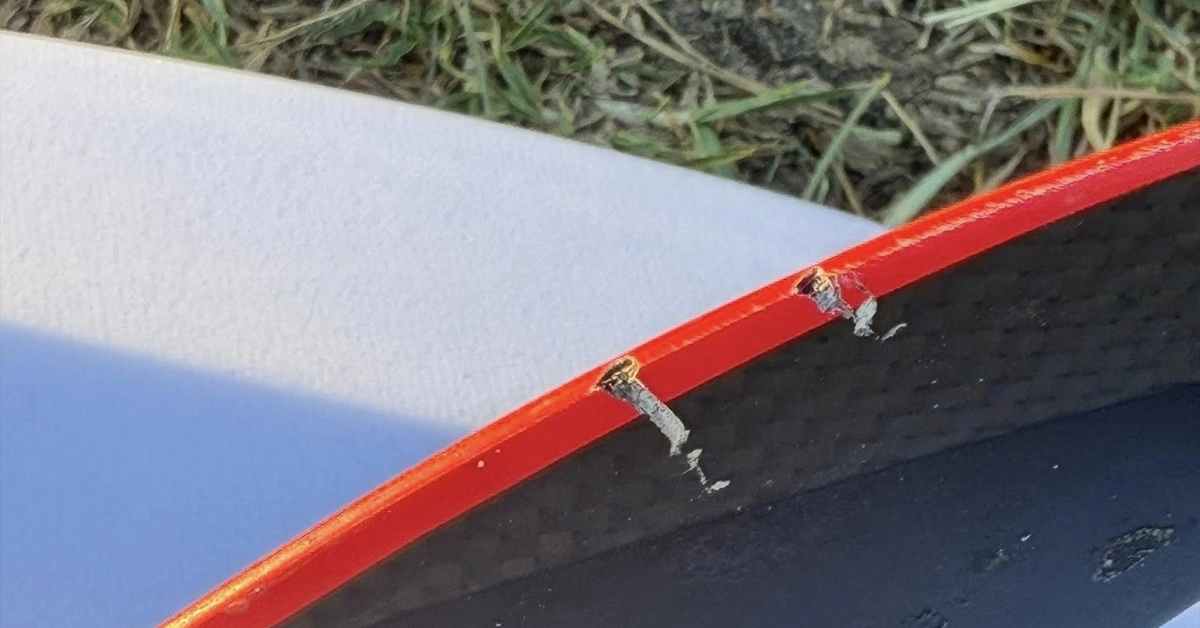
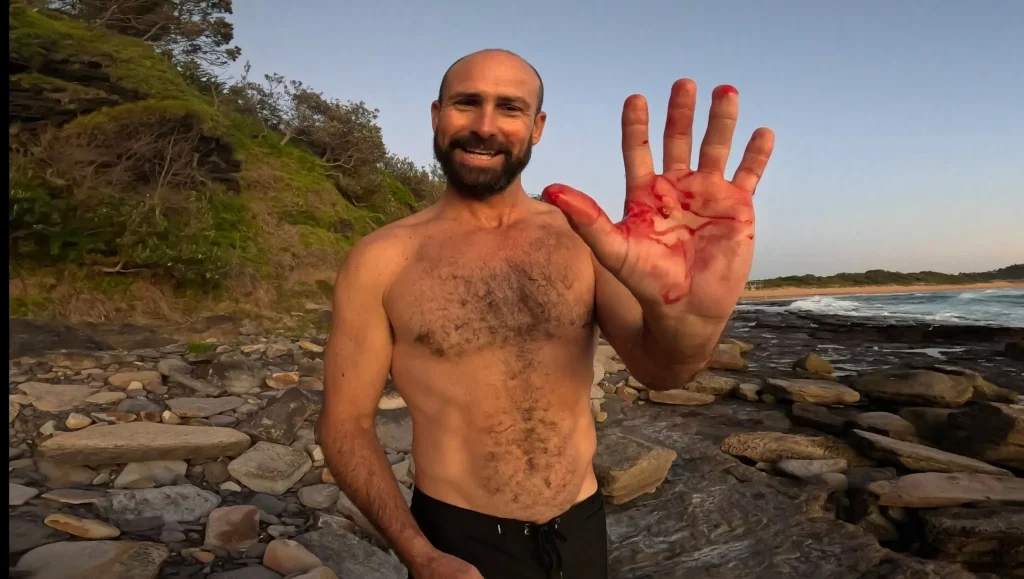
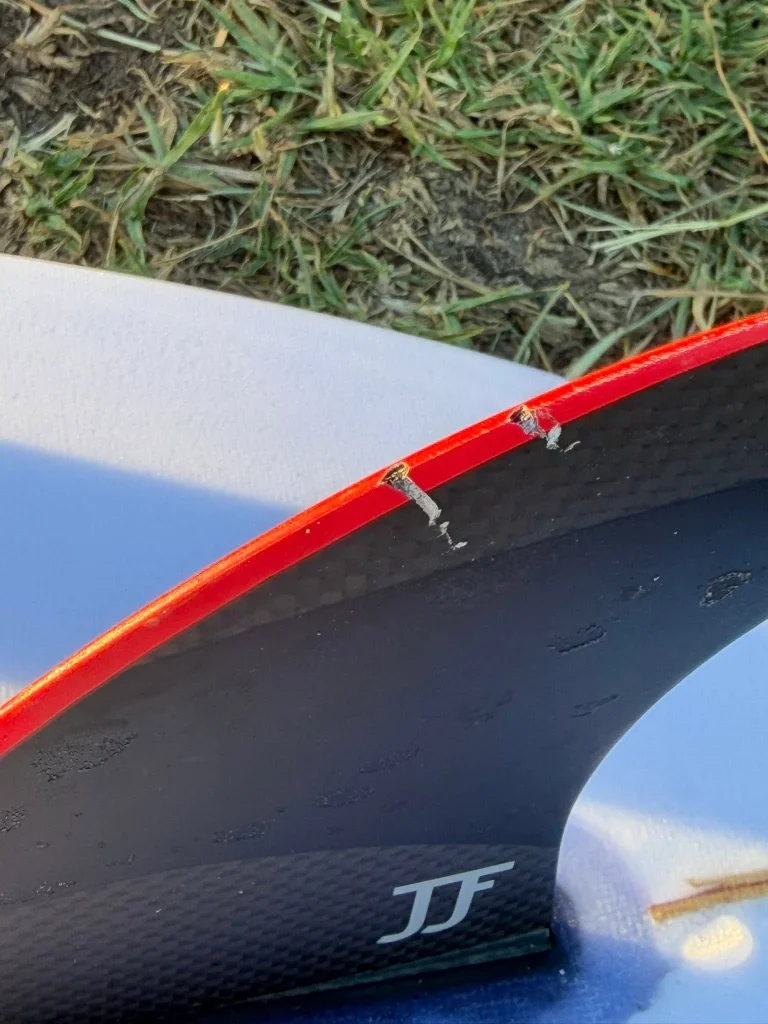
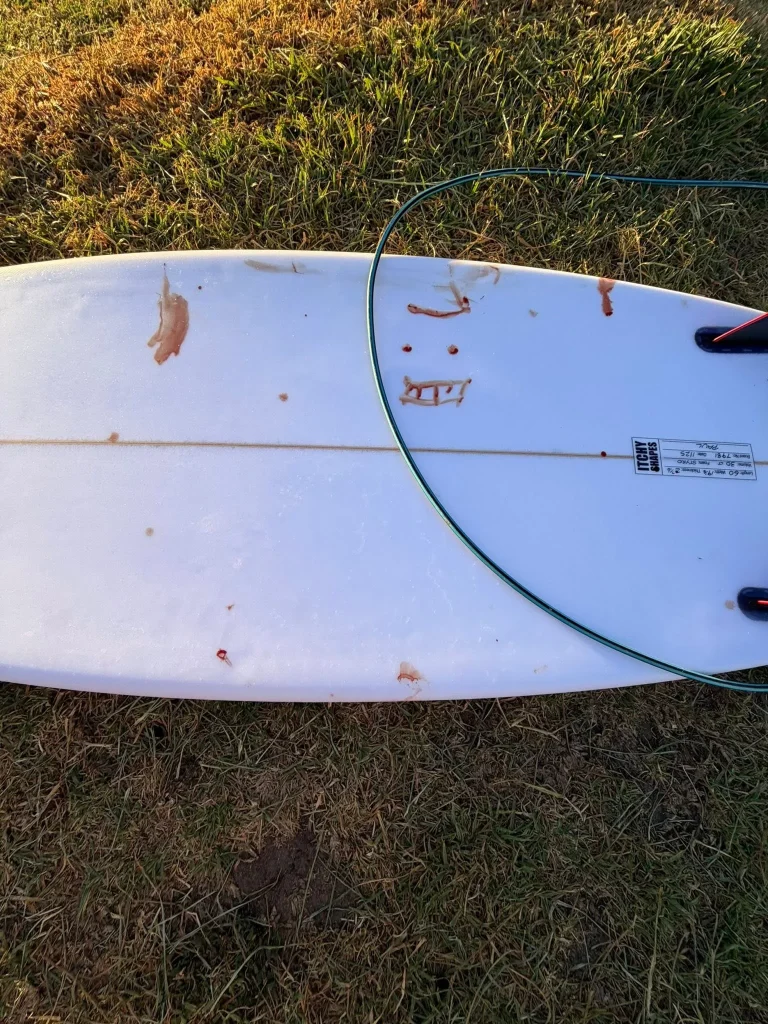
Mr Stanton instinctively pushed the animal away, but sustained a minor laceration to his left thumb when it made contact with the shark’s tooth. The encounter left two distinct tooth marks on the fin of his surfboard, along with drops of blood.

Photo Credit: Facebook / Toby Play

After alerting other surfers in the water, Mr Stanton paddled back to shore. Despite the incident, he was reported to be in good spirits and the injury to his hand was minor enough that it did not require bandaging. According to another local surfer, Mr Stanton later went surfing at Whale Beach after Avalon Beach was closed.

Photo Credit: Facebook / Toby Play

The type of shark involved in the incident could not be determined, as low light conditions at the time prevented Mr Stanton from seeing it clearly in the water.

Following standard protocol for shark incidents, Surf Life Saving NSW closed Avalon Beach and conducted extensive searches of the area using jet skis, inflatable rescue boats and drones. However, drone operations were hampered by high winds on the day. The shark was not located during these patrols.

Despite the beach closure and warnings from surf lifesavers, some swimmers and surfers chose to enter the water throughout the day as temperatures climbed.

The incident occurred approximately four months after a fatal shark attack claimed the life of 57-year-old Mercury Psillakis at nearby Long Reef in September 2025.


Sharks were also reportedly sighted at several other beaches along the Northern Beaches and NSW coast on Saturday.

Published 10-January-2026

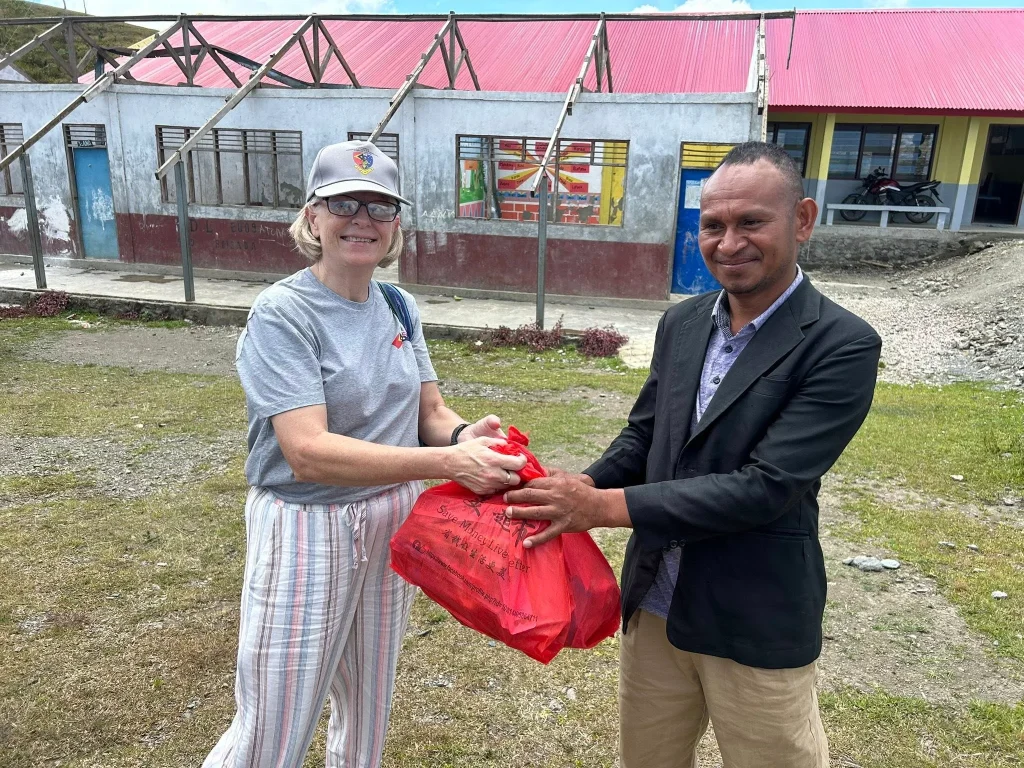
Community Fundraiser Builds On Avalon’s Link To Timor Leste

What started in Avalon as a simple school idea has grown into a Northern Beaches charity recognised by the President of Timor Leste, with the community now coming together for a major fundraiser at a Brookvale brewery.


Avalon’s Role In The Partnership

The story began more than 15 years ago at Maria Regina School in Avalon, where students wanted to support children in the remote Timor Leste village of Soibada. Their idea spread beyond the classroom and brought in parents, teachers, and local groups, forming the foundation of Friends of Soibada. 

The charity formally registered in 2010 and built a long-term partnership between the Northern Beaches and the village. Avalon remains central to its history, as early fundraising, awareness events, and support grew from the school community before expanding to surf clubs, churches, Rotary groups, the council, and 18 other schools. 

Friends of Soibada focuses on sustainable development, with volunteers visiting twice a year to work with residents on education, health, hygiene, and community needs.

Recognition And Community Impact

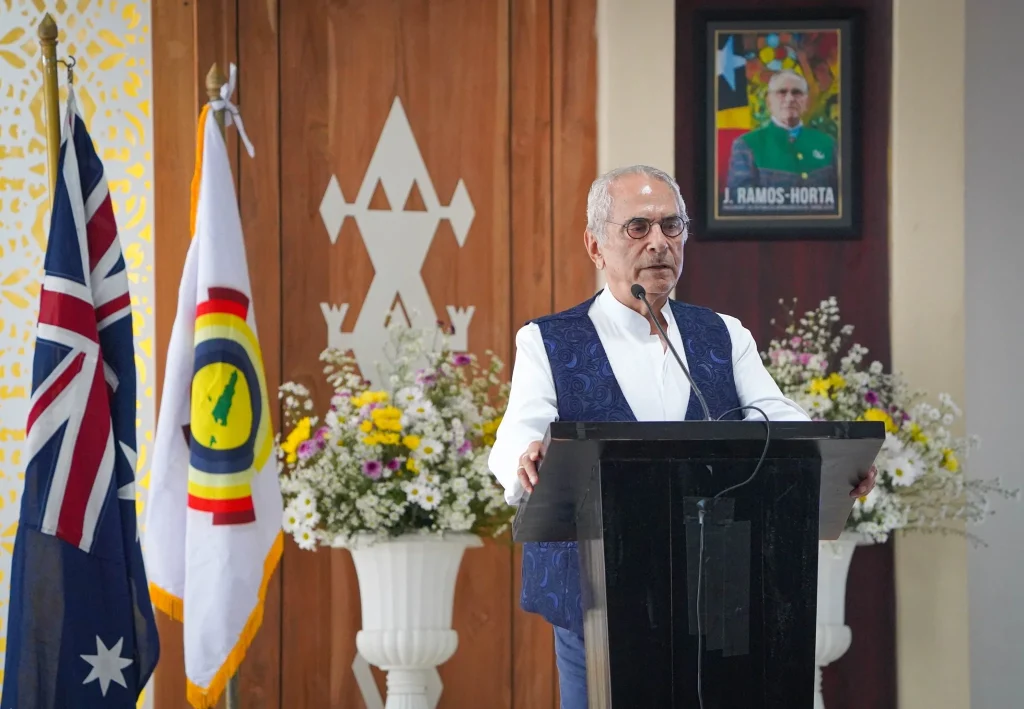
Earlier this year, Friends of Soibada received the Order of Timor Leste, awarded by President Jose Ramos Horta. The honour recognised the charity’s long-standing contribution to improving daily life in Soibada. The award also highlighted the unusual beginnings of the organisation, which grew from a student-led idea into a cross-community partnership spanning two countries.

Many of the original Avalon students have since grown into adults who continue to support the work. Some have travelled to Soibada as volunteers, strengthening personal ties between the Northern Beaches and the village.

January Fundraiser At 7th Day Brewery

The next chapter of the partnership takes place at 7th Day Brewery in Brookvale on 24 January 2026, where Friends of Soibada is hosting a large community fundraiser.

The event features live music from local bands, raffles, and stalls, with all funds directed toward projects in Soibada. Money raised supports teacher wages, health initiatives, and a dental program aimed at improving access to basic care.

The fundraiser reflects the same community-driven spirit that started in Avalon. Local businesses, musicians, and residents are contributing time and resources to support the cause.

A Continuing Avalon Connection

While the charity’s reach now extends across the Northern Beaches, Avalon remains closely linked to its identity. The suburb is regularly referenced in the charity’s story as the place where the partnership began. 


Supporters describe the work as proof that small, local actions can lead to long-term change when a community stays involved.

Published 17-December-2025

Avalon Pet Owners Warned as Tick Cases Triple in Early Season Surge

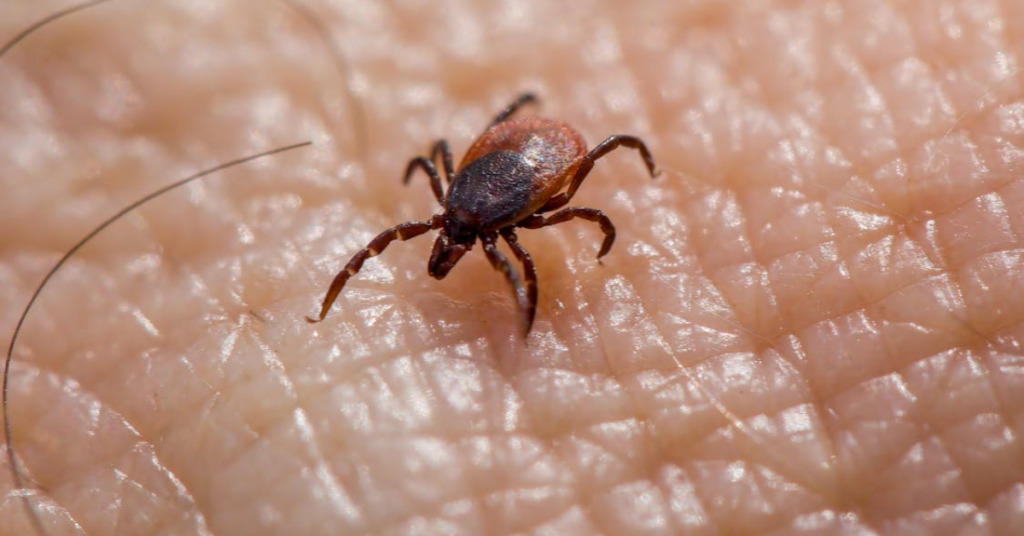
Families in Avalon are being urged to check their pets daily after reports confirmed that life-threatening tick paralysis cases have tripled across the region.


The Invisible Intruder

tick
Photo Credit: Pexels

Veterinary clinics on the Northern Beaches have reported a worrying trend where the number of pets affected by these parasites has tripled compared to this time last year. The surge is driven by unseasonably warm weather and high humidity, creating perfect breeding conditions earlier than usual. 

While many owners assume their animals are safe if they stay inside, experts at Sydney Animal Hospitals, which operates in Newport and Avalon, warn that fences and walls are no longer enough protection.

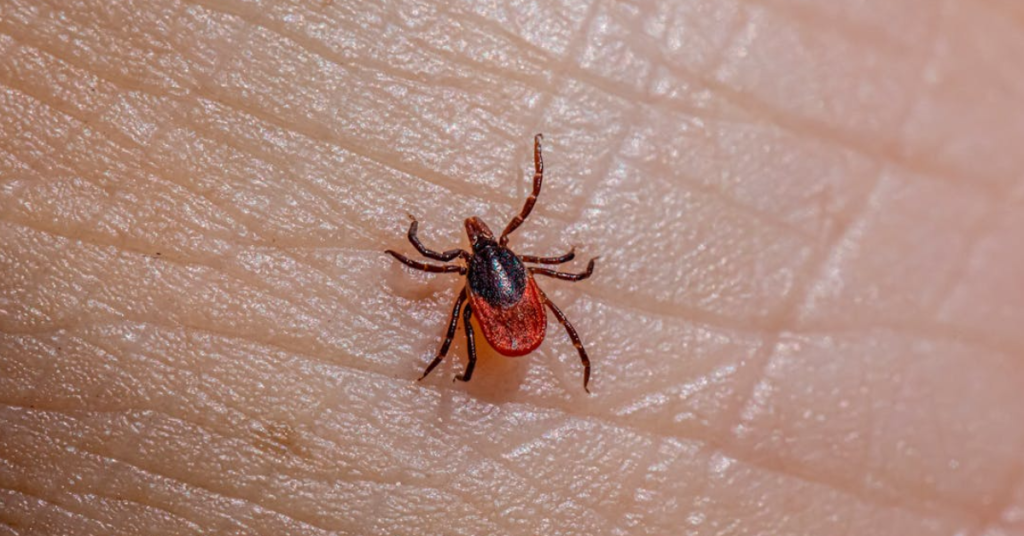
Dr Ben Brown, a vet at the hospital, explained that ticks are incredibly opportunistic. He noted that staff members are seeing cats that have never left their property succumb to tick paralysis. These parasites easily hitch a ride indoors on human clothing, other household pets, or local wildlife. Dr Brown stressed that it takes only a single tick bite to cause severe paralysis, making vigilance essential even for animals that spend their days on the couch.

A Close Call for Tiggy

tick
Photo Credit: Pexels

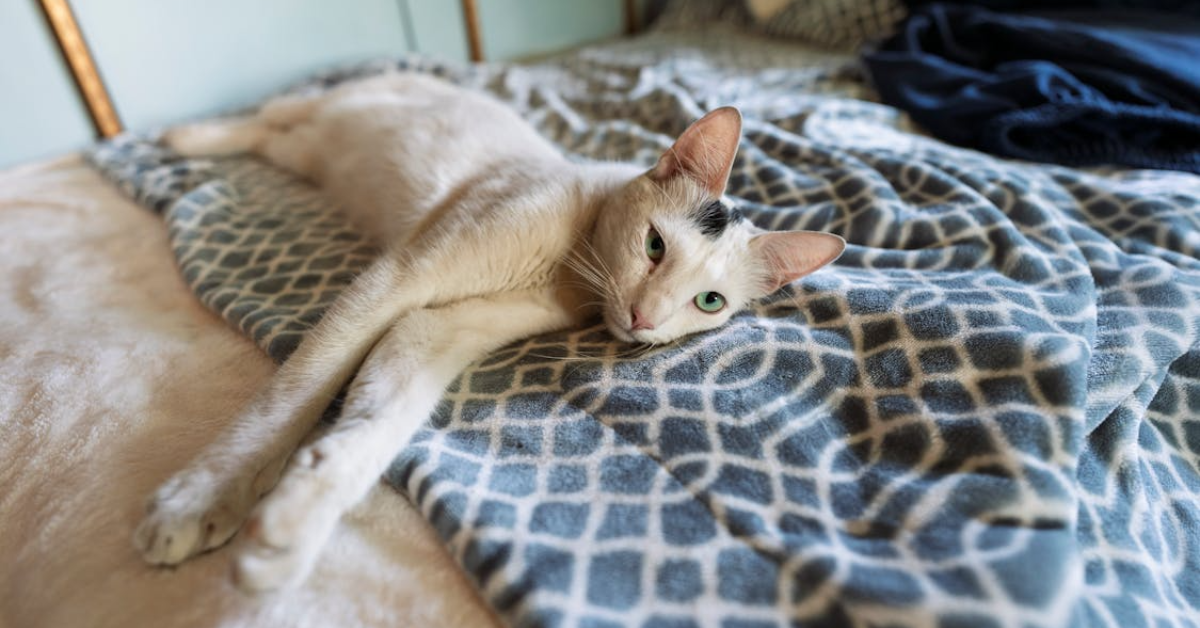
The danger became all too real for Newport resident Lily Hewitson and her eight-year-old tabby cat, Tiggy. The family rushed Tiggy to the hospital after she became lethargic, disoriented, and struggled to breathe. Ms Hewitson later recalled realising something was wrong when her cat refused food and could not walk properly the next morning.

Upon arrival, the veterinary team quickly located and removed a large paralysis tick near the cat’s shoulder blade. Tiggy required oxygen therapy and overnight hospitalisation to survive the ordeal. Ms Hewitson admitted that Tiggy had missed just one prevention tablet, which was all the opportunity the tick needed. She expressed relief at having her pet home and hoped her experience would remind others that tick prevention is vital for all pets, not just those who roam the bush.


Recognising the Signs

Time is the most critical factor when dealing with tick paralysis. Dr Brown advised owners to watch closely for early warning signs, such as wobbliness in the back legs, a change in the pet’s bark or meow, vomiting, or laboured breathing. He stated that immediate veterinary treatment is necessary, often involving antiserum and oxygen support.

To keep pets safe, the veterinary team recommends consistent use of preventative measures like monthly chews, topicals, or collars. Dr Brown mentioned that dog owners can also ask about a yearly injection that offers continuous protection. To help the community stay ahead of this early season spike, Sydney Animal Hospitals is currently offering free lump checks throughout November.

Published Date 24-November-2025

Babylon House Claims Prestigious Interior Architecture Award

Babylon House, an Avalon home nestled between Pittwater and Avalon Beach, has received one of Australia’s most prestigious interior architecture awards, recognising a remarkable transformation nearly a decade in the making.


Babylon House was awarded the Emil Sodersten Award for Interior Architecture at the Australian Institute of Architects’ 2025 National Architecture Awards ceremony held at the National Gallery of Australia in Canberra on Thursday, 6 November.

Photo Credit: Casey Brown Architecture

The property, perched on the ridge between Pittwater and Avalon Beach, represents an extraordinary collaboration between Casey Brown Architecture and its owners, who purchased the home in 2015. What followed was a nine-year journey to restore and reimagine a unique piece of local architectural history.

Photo Credit: Casey Brown Architecture

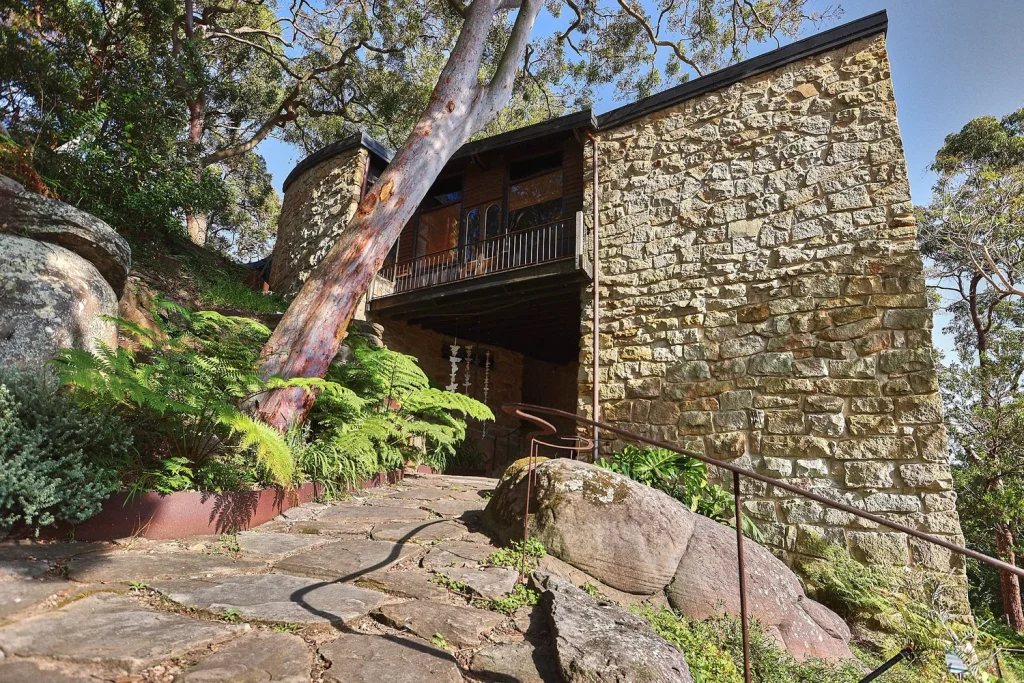
Originally constructed in 1953 to a design by architect Edwin Kingsbury, the home’s distinctive curved forms, stonework and unconventional character earned it the local nickname “The Castle”. After decades of neglect, the building has been meticulously repaired and thoughtfully transformed while preserving its eccentric spirit.

Photo Credit: Casey Brown Architecture

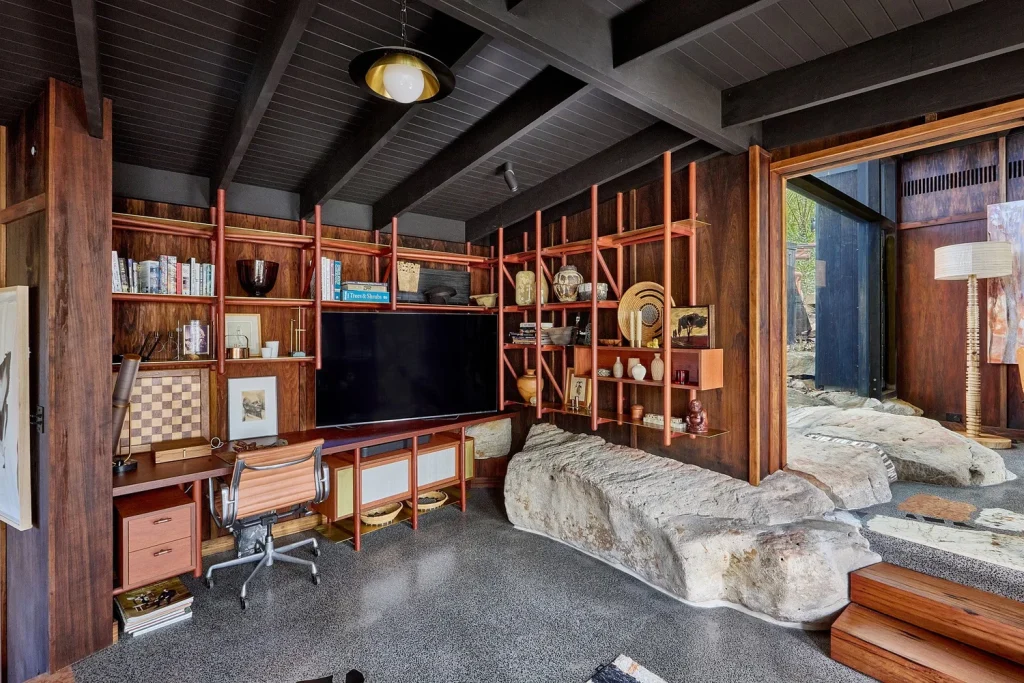
The jury praised the project’s attention to detail and experiential qualities. “Every space and detail has the heart of the architect and client in it,” the citation noted, highlighting features including integrated rock ledges, bathrooms accessed via a floor hatch, bespoke patterns in floor treatments, crafted handrails, hand-finished timbers, and even a stage in the lounge room.

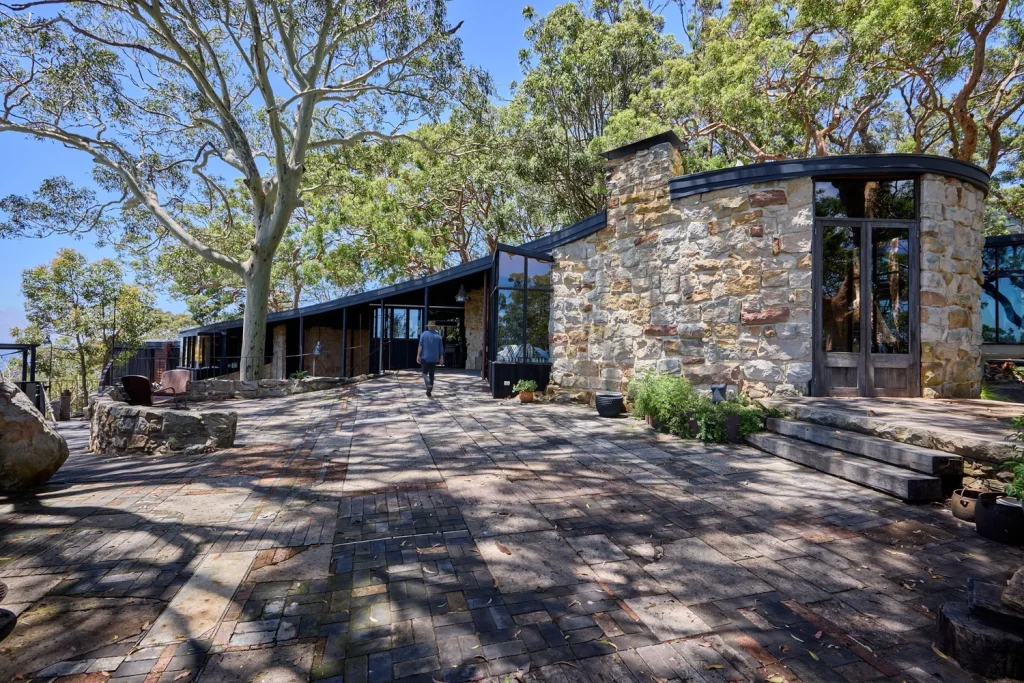
The home’s design respects its modernist roots while adding contemporary elements. The living areas sit beneath a 320-square-metre kidney-shaped roof with no right angles, all featuring soaring ceilings over four metres high. Mysterious corridors and passageways wind through the property, leading to an expansive 80-square-metre free-span dining room that opens onto a substantial patio with sweeping Pacific Ocean and Pittwater views.

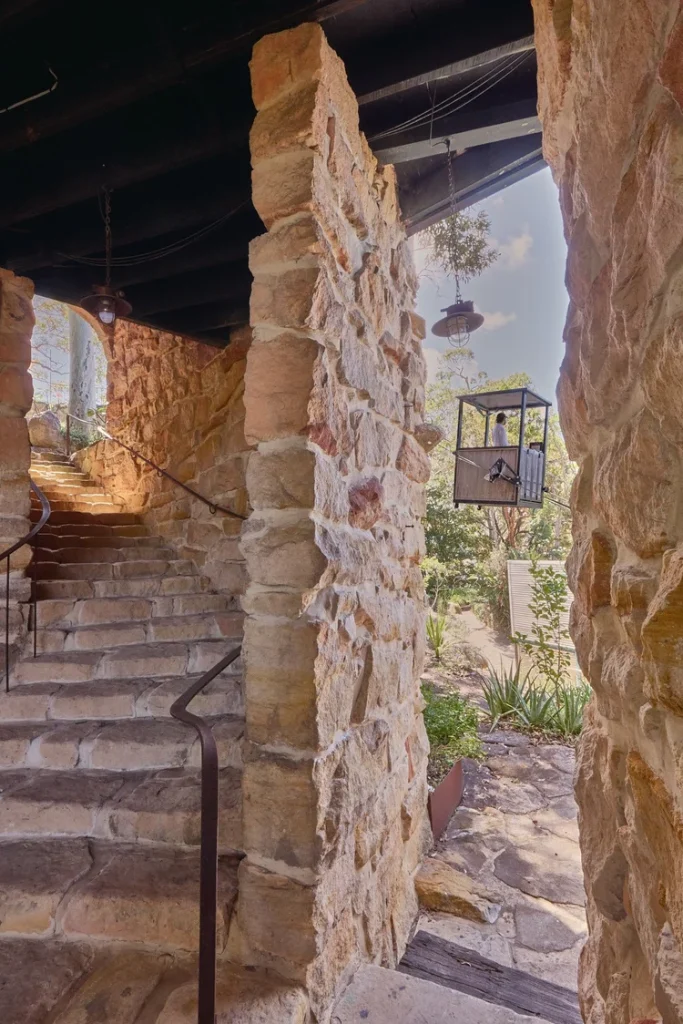
The renovation extended the original design language using materials including black timber, terrazzo, pickled timber panelling and dichroic glass louvres. Salvaged materials were reused throughout, and asymmetrical skylights now cast shafts of light across restored stone walls.

Photo Credit: Casey Brown Architecture

Practical improvements were carefully integrated without compromising the home’s character. A new driveway and cable car now provide step-free access to the property, while a new kitchen and laundry have been discreetly tucked beneath the existing roof. The new master suite wraps around the southern edge of the main living space, threading carefully between sandstone boulders and mature angophoras.

Photo Credit: Casey Brown Architecture

The jury described Babylon House as feeling “ancient and contemporary all at once” and commended it as “a truly beautiful example of working with the essence of an existing building and bringing it back from the brink.”

The project team included Casey Brown Architecture principals Rob Brown, project architect Thomas Monahan, and project lead Ryan Western, with construction by David Campbell Building and stonework by John Wittey.

Earlier this year, Babylon House also won two awards at the NSW Architecture Awards: the John Verge Award for Interior Architecture and the award for Alterations and Additions.


The Emil Sodersten Award is one of the highest honours for interior architecture in Australia, recognising projects that demonstrate excellence in the design and execution of interior spaces.

Published 6-November-2025

Avalon Volunteers Clean Up Holiday Mess Left in Dunes

Dedicated local volunteers and three visiting Argentine backpackers have taken it upon themselves to clean up multiple bags of rubbish carelessly left strewn across the Avalon beach dunes.


A Recurring Mess

Avalon
Photo Credit: Google Maps

The problem became particularly noticeable just before and during the recent winter school holidays. A group of young surfers had carried a table and chair into the dunes north of the Avalon surf club, creating a scenic hangout spot. While a great use of the outdoors, the area was unfortunately left in a mess, with rubbish accumulating over the holiday period.

Witnesses saw the three backpackers take it upon themselves to clear the area, carrying numerous bags of waste to the bins provided at the beach. Their actions highlighted the ongoing efforts of many locals who have been quietly cleaning up trashed community spots for years. People like Corey Kirk have been seen regularly cleaning the Avalon Beach dunes over a long period. This community spirit extends to other local areas, including Careel Creek and various lookouts around Bilgola and Palm Beach.

Damage and Disappointment

Avalon
Photo Credit: Google Maps

The issue is not confined to Avalon. Joe Mills, who voluntarily cleans Turimetta beach, reported extra work was needed after weekend parties during the same school holidays. He expressed his disappointment after spending several mornings picking up the aftermath of fires and drinking sessions.

He described one particularly bad morning where discarded cans and bottles were scattered over a 50-metre area. An emergency rescue surfboard had been taken from its rack and used as a seat very close to a fire, causing damage. Mills noted that those responsible often fail to return the board or clean up their rubbish, leaving the beach littered with charcoal and waste. This has raised concerns among residents about the need for better management of these natural reserves.


Searching for a Cause

The recurring issue has led many to question why these beautiful spots are not being looked after by the same people who enjoy them. The conversation has shifted towards the underlying reasons for this behaviour.

One long-time resident suggested that a lack of local, affordable, and engaging activities for teenagers could be a contributing factor. A look at school holiday programs often shows plenty of options for younger children but very few for those in their late teens. With limited places to go, especially at night, parks and dunes become default social hubs. The community is now exploring ideas, from installing more bins to creating better messaging about respecting shared spaces, and ultimately, providing more positive outlets for its young adults. The core belief shared by volunteers is that the greatest threat is thinking someone else will solve the problem.

Published Date 14-October-2025

Careel Bay Takes Centre Stage in National Bird Count

Avalon’s coastal bushland and tidal flats are more than a backdrop for weekend walks. They are a living stage for some of Australia’s rarest and most recognisable birds. This month, the suburb will once again find itself at the centre of a nationwide effort as locals join the Aussie Bird Count, recording the feathered life of backyards, headlands, and the sheltered waters of Careel Bay.


Bird Week Brings Community Together

The Aussie Bird Count, run by BirdLife Australia, is one of the largest citizen science events in the country. From 20 to 26 October 2025, Australians are encouraged to stop for just 20 minutes, anywhere they choose, and count the birds they see. Using the free app or website, participants contribute sightings that form part of an ongoing database used by scientists to track trends in bird populations.

For Avalon, participation is more than symbolic. The suburb’s wetlands and nearby bushland provide food and shelter for species of local and international importance. 

At Careel Bay, shorebirds such as the critically endangered Eastern Curlew and migratory Bar-tailed Godwit can be seen during spring as they travel from breeding grounds in the Northern Hemisphere. Each recorded sighting adds vital data to help monitor whether these long-distance travellers are surviving their journeys and holding onto their habitats.

Everyday Birds, Critical Information

While Avalon is home to threatened species, the Bird Count does not just focus on the rare. Familiar locals such as the Rainbow Lorikeet, Noisy Miner, and Willie Wagtail are just as important to log. Shifts in their numbers can reveal much about the pressures of urbanisation, land clearing, and climate change.

BirdLife Australia notes that even a single observation contributes to science. When thousands of Australians join in, the collective data helps map population shifts across suburbs, towns, and entire states. This information informs conservation planning and guides councils on how to protect the natural spaces that communities rely on.

Avalon’s Link to Bird History

Avalon’s role in Australia’s birdwatching culture stretches back more than a century. Neville William Cayley, remembered as Australia’s first popular field guide author, made his home here. His 1931 book, What Bird is That?, offered full-colour illustrations and descriptions that opened the world of birdwatching to ordinary people.

Neville Cayley
Photo Credit: Public Domain

Cayley lived at “Ideal View,” a house on Marine Parade in Avalon, where he painted and wrote about the very species still common in the suburb today. His work bridged science and art, and laid the groundwork for a culture of everyday Australians participating in bird observation. The 2025 Aussie Bird Count continues that legacy, translating Cayley’s passion into a digital age where sightings from Avalon can be logged instantly via smartphone.

Why Avalon Matters in 2025

Conservation groups highlight Careel Bay as a key site on the Northern Beaches where community involvement has direct value. Tidal wetlands here provide feeding grounds for shorebirds that face global declines. Recording their presence, even in small numbers, helps track whether conservation measures are effective.

In recent years, residents and council initiatives have worked to maintain these habitats. Nesting platforms have been installed for Ospreys, while bushcare groups restore vegetation along foreshore areas. The Bird Count provides everyday residents with an opportunity to participate in this ongoing effort, whether by walking along the bay at low tide or observing the calls of lorikeets in street trees.

Getting Involved from Avalon

Joining the Aussie Bird Count is straightforward. Locals can register online at the official site or download the app via Apple or Google Play. Participants select a spot — whether in a backyard, at the beach, or along the Careel Bay foreshore — and spend 20 minutes observing. The app provides identification tools, making it easier for beginners to recognise common birds.


For Avalon residents, the Bird Count is not just about numbers. It’s a way to connect with local heritage, contribute to conservation, and deepen awareness of the living environment that defines the community. Every lorikeet, curlew, or magpie recorded becomes part of a much larger picture of Australia’s birdlife.

Published 2-Oct-2025

Careel Shopping Village Avalon Redevelopment Approved Despite Community Objections

Childcare centre above Dan Murphy’s approved in Avalon’s Careel Shopping Village, despite community and health authority objections.


Background of the Proposal

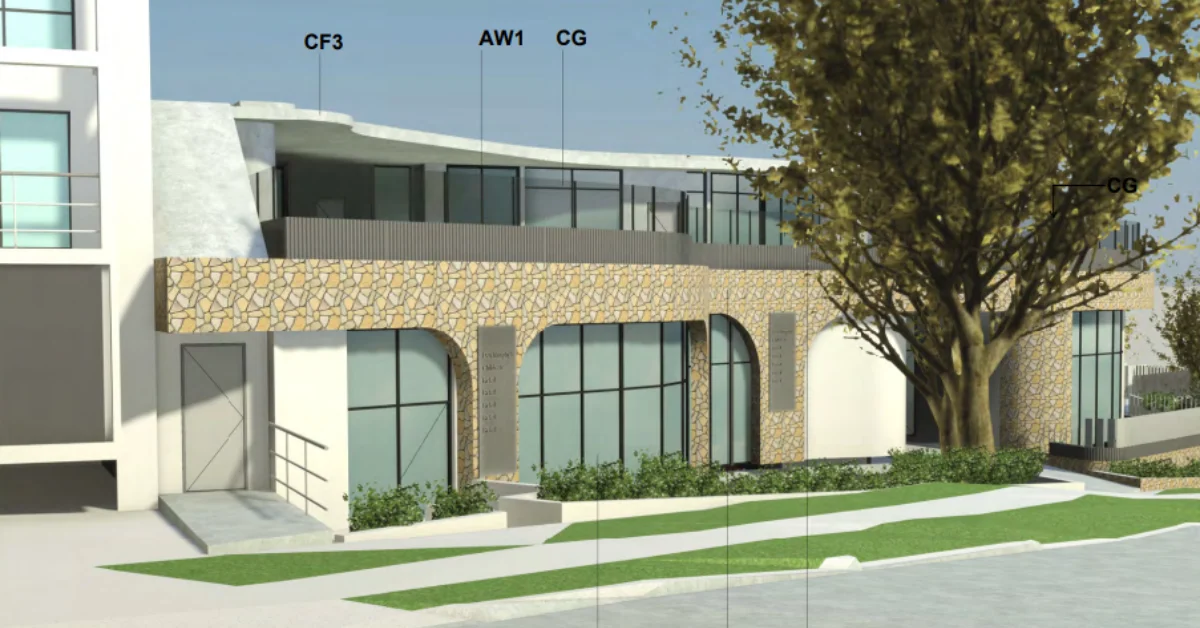
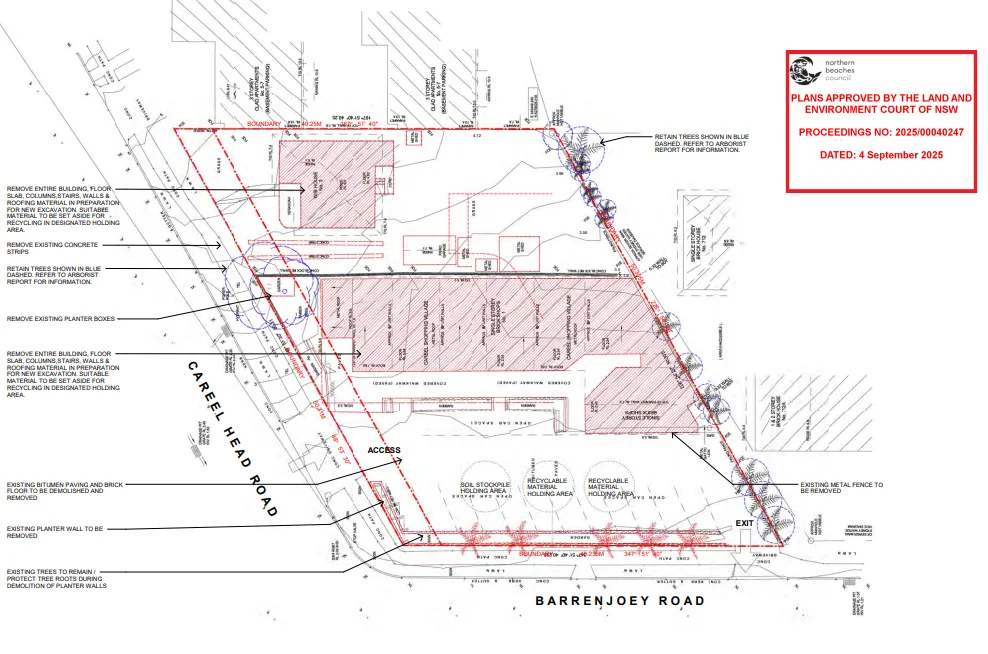
Plans to redevelop Careel Shopping Village at 1 Careel Head Road, Avalon Beach, were lodged on 11 September 2024 as Development Application DA2024/1091. The proposal included demolition works and the construction of a new two-storey mixed-use complex with basement parking, retail space, and a childcare centre.

The application was placed on exhibition from 30 June to 28 July 2025, attracting significant public submissions. The estimated cost of the project was $7,246,888.

Careel Shopping Village
Photo Credit: DA2024/1091

Community Objections

More than 220 submissions were lodged opposing the project. Local residents expressed concern about the location of a 500-square-metre Dan Murphy’s store directly beneath a childcare facility. Issues raised included the potential exposure of children to alcohol advertising, increased traffic near the intersection of Careel Head Road and Barrenjoey Road, and flooding risks affecting the proposed basement car park.

The Northern Sydney Local Health District advised against the proposal, citing links between alcohol marketing exposure and youth drinking. Community groups also argued that Avalon already had several liquor outlets nearby and that the redevelopment would be out of character for the area.

childcare centre
Photo Credit: DA2024/1091

The Ruling

Northern Beaches Council initially issued a deemed refusal of the application. The developer, Grex Holdings, appealed the decision to the Land and Environment Court. In early September 2025, the court upheld the appeal with amended plans following conciliation between the council and the developer.

The plans include a separate entrance and lift for the childcare centre, independent of the bottle shop, in response to concerns about access and safety.

Dan Murphy’s
Photo Credit: DA2024/1091

Current Retail Context

The Careel Shopping Village site also includes other retail spaces for lease, with tenants such as a pizza café and a pie shop. Leasing documents highlight multiple opportunities for shops ranging from 47 to 129 square metres, with off-street parking provided.

Looking Forward


With the court’s approval, the redevelopment of Careel Shopping Village will proceed, combining retail businesses with a 60-place childcare centre above a Dan Murphy’s store. The decision followed extended debate between community members, health authorities, and the developer, with changes made to address some concerns.

Published 22-Sep-2025