Major Police Operation in Avalon Ends With Man Taken to Hospital

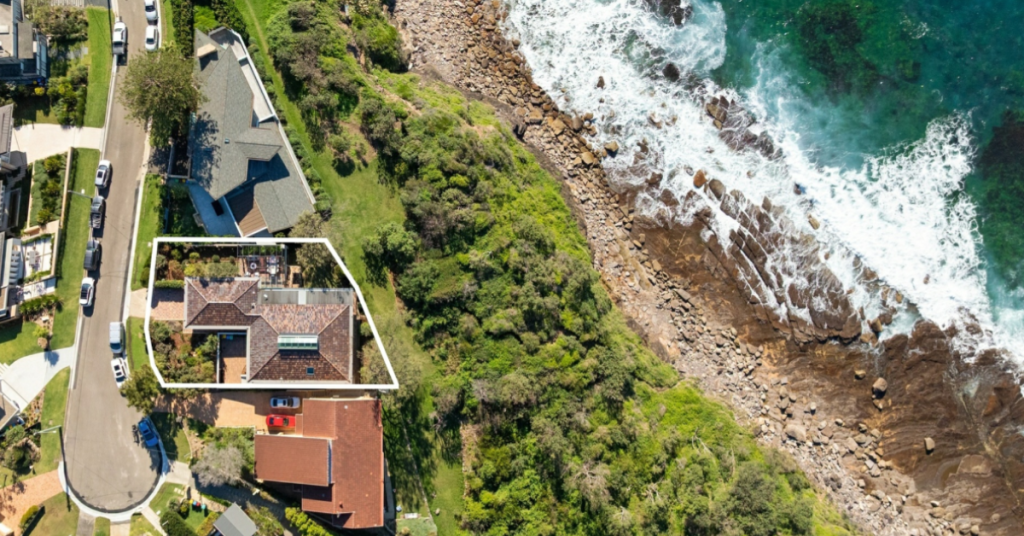
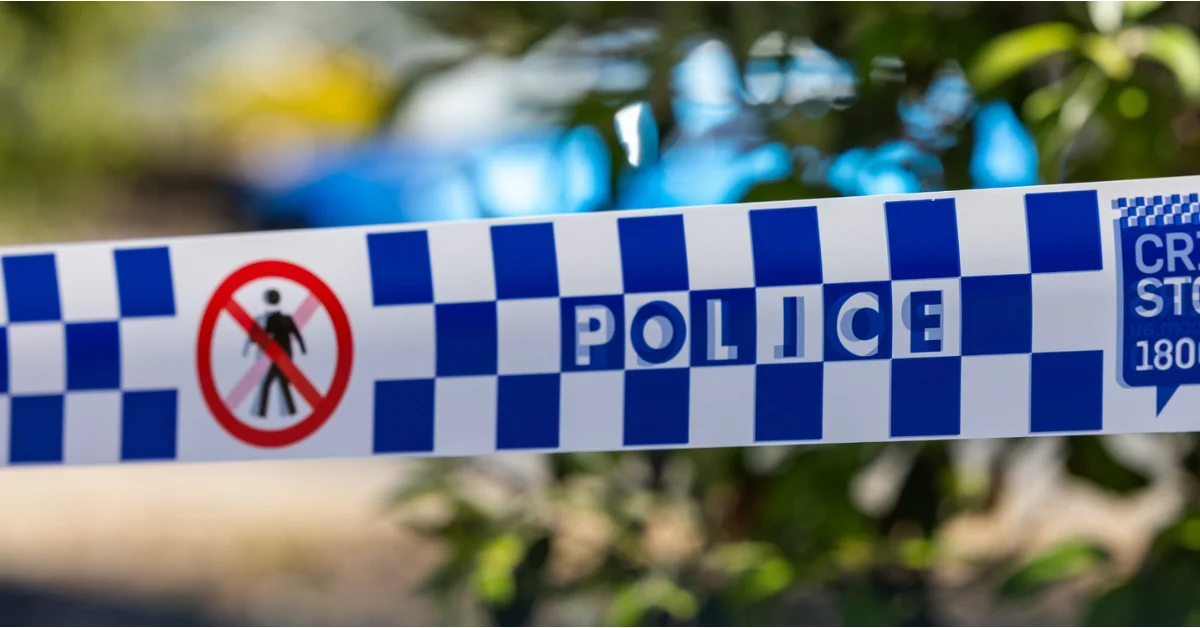
A major police operation in Avalon ended with a 44-year-old man taken to hospital for a mental health assessment after specialist officers responded to a residential property in Therry Street.


Specialist Units Called To Therry Street

NSW Police and NSW Ambulance were called to the Avalon Beach property shortly after 3:45 pm on Saturday, 9 May, following reports of an armed man making threats of harm to himself and others.

The incident took place at a home in Therry Street, a cul-de-sac off George Street. As the response developed, officers from Northern Beaches Police Area Command were joined by specialist police, including the Tactical Operations Unit, the Public Order and Riot Unit, and police negotiators.

NSW Ambulance paramedics equipped for tactical operations also attended the scene.

The street was blocked off while emergency crews managed the response. Nearby residents reported hearing yelling from the property before police arrived, but the position of the home up a steep driveway limited visibility from the street.

Avalon police operation
Photo Credit: NSW Police/Facebook

Avalon Police Operation Draws Local Attention

The number of sirens and emergency vehicles drew residents and other locals towards the area as the operation continued. People gathered nearby on foot, on e-bikes and in cars, with Therry Street becoming congested at one stage.

Police directed onlookers to move well away from the scene while officers worked to bring the incident under control.

Police later clarified that the man was alone inside the property and that the public was not at risk. They also indicated that mental health was a significant factor in the incident.

Man Taken For Assessment After Taser Deployment

Negotiators were used during the operation, which continued for about two hours. Shortly after 5:45 pm, the man was subdued with a taser, restrained and brought out of the property.

He was placed into an intensive care ambulance and taken under police escort to Northern Beaches Hospital shortly after 6 pm for a mental health assessment.

No injuries were reported.


Police later said the matter had concluded with the man taken for assessment, and indicated that no further details would be provided due to the sensitive nature of the incident.

Published 11-May-2026

Avalon Beach To Palm Beach Road Safety Works Set To Start

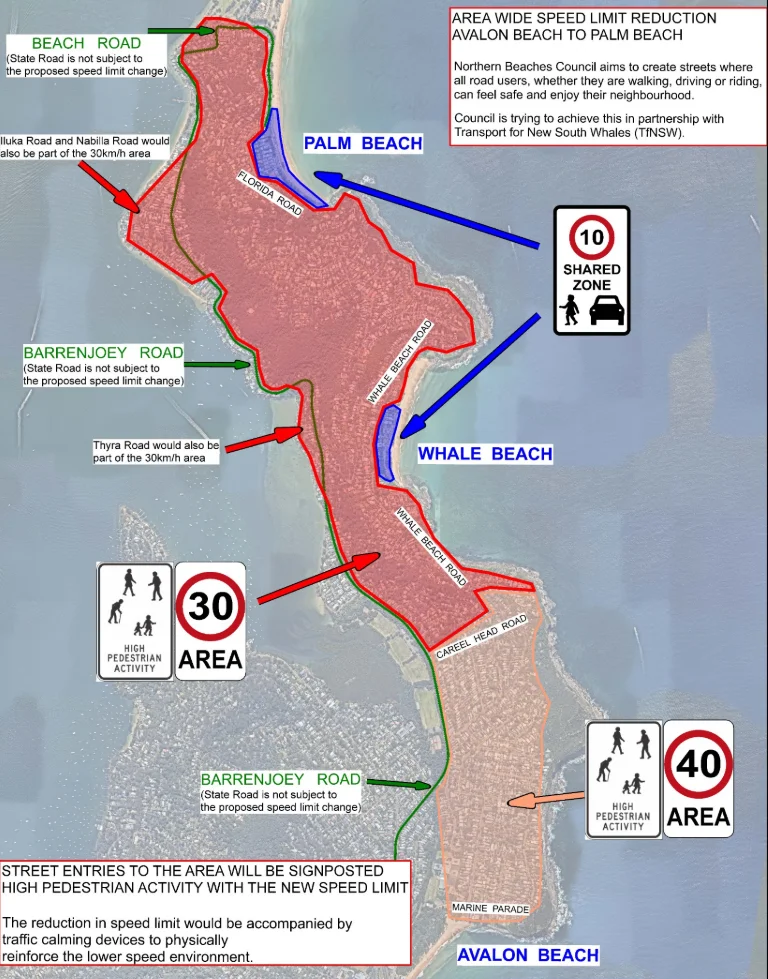
Road safety works are set to begin across the Avalon to Palm Beach route, with upgrades planned in Avalon Beach, Whale Beach and Palm Beach to improve local streets for pedestrians, school children and other road users.


Avalon To Palm Beach Works Move Into Construction

Road safety upgrades across Avalon Beach, Whale Beach and Palm Beach are moving into construction, with works planned across the designated zones from May to July 2026.

The works form part of the Safer Neighbourhoods Program for the Avalon Beach to Palm Beach route. The program is focused on improving road safety and access for road users travelling to key local destinations, including Palm Beach and Whale Beach.

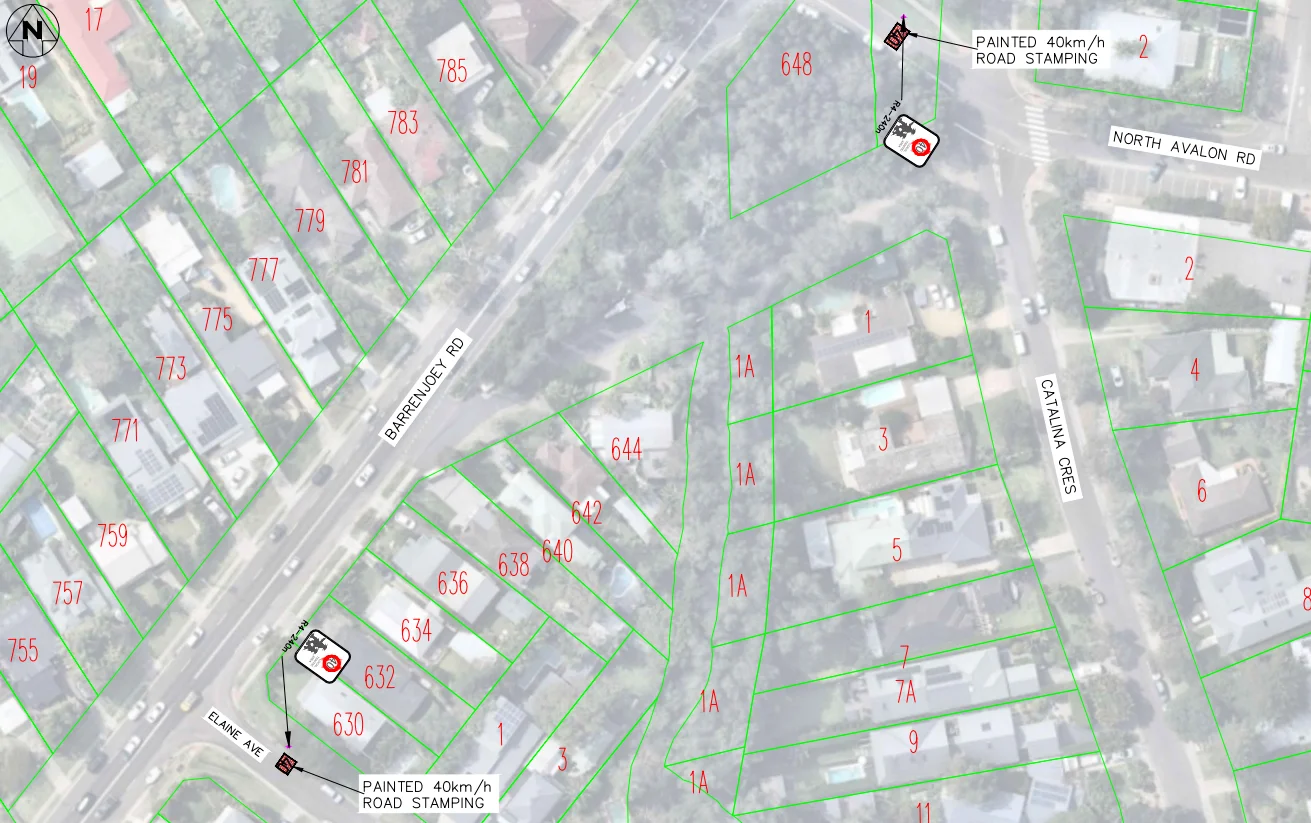
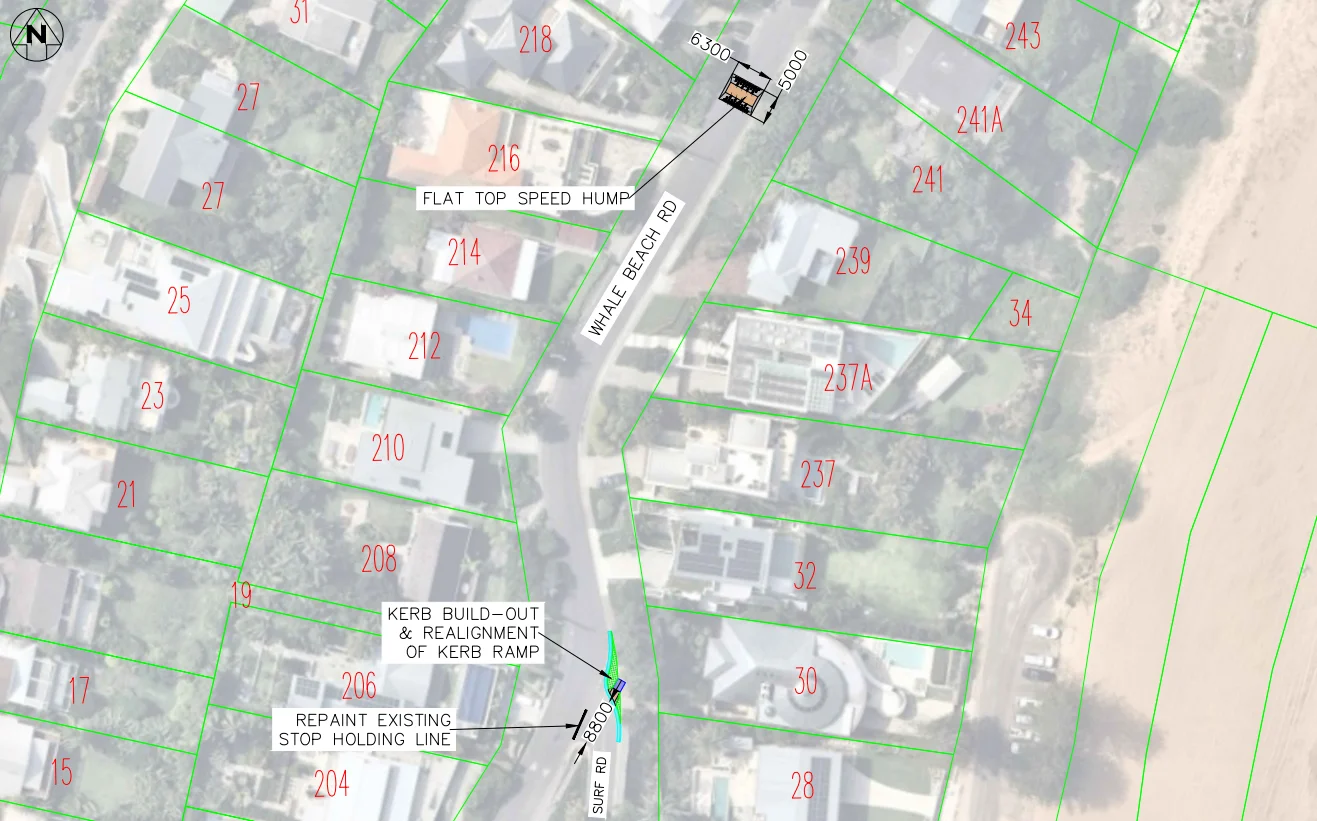
The construction program includes flat top speed humps and roundabouts across the planned areas. The broader package has also included traffic calming devices, signage, a raised pedestrian crossing at Whale Beach Road near Barrenjoey Road, new street lighting, pram ramp realignment, lane width improvements and line marking.

The upgrades follow consultation held in October and November 2024, when feedback was sought on proposed road safety changes across Avalon Beach, Whale Beach and Palm Beach. Revised plans were reported on 15 April 2025 after community feedback and an independent road safety audit.

road safety works
Photo Credit: NBC

Traffic Control Planned Across Work Areas

Kelbon Project Services Pty Ltd will carry out the construction works on behalf of the project team.

Works are expected to take place at different times across the planned zones between May and July 2026. Standard construction hours will usually be Monday to Friday, between 7am and 5pm.

Some night works may be required to reduce daytime traffic impacts. Where this occurs, nearby residents will receive advance notice from the contractor.

Traffic control will be present to help pedestrians, school children and road users move safely around work areas. Drivers have been asked to slow down near construction sites and follow warning signs and directions from traffic controllers.

Northern Beaches
Photo Credit: NBC

Construction Noise Expected During Road Safety Works

Construction activity may create noise from demolition, formwork and concrete pouring. The project team has advised that disruption will be reduced where possible while the upgrades are delivered.

The earlier proposal for the Avalon Beach to Palm Beach route included a 30km/h speed limit in some sections east of Barrenjoey Road, along with a 10km/h zone in high pedestrian beachfront parking areas. Those changes were presented alongside infrastructure treatments intended to support safer speeds through local streets.

Safer Neighbourhoods Program
Photo Credit: NBC

Works Expected To Finish In July

The works are expected to be completed in July 2026, weather permitting.

Once finished, the Avalon to Palm Beach upgrades will add new road safety infrastructure across the route, including traffic calming treatments designed for local streets and pedestrian areas.


The construction period will bring temporary traffic and noise impacts, but the project is now moving into its delivery stage after earlier consultation, design revisions and safety review.

Published 28-Apr-2026

From Avalon’s Coastline To Waitara, A New Cathedral Precinct Takes Shape

From coastal parishes such as Avalon to Sydney’s north shore, a proposed cathedral precinct in Waitara is drawing together communities across the Diocese of Broken Bay, marking a rare development described as the first of its kind in more than a century.


From Coast To Centre

Avalon, set along the Northern Beaches, sits within a network of parishes that stretch across the Diocese of Broken Bay. That network now converges on Waitara, where plans announced in April 2026 outline a 7.7-hectare cathedral precinct intended to serve communities across the region.

The proposal has been described as the first Roman Catholic cathedral precinct in Australia to be masterplanned from inception in over 100 years, placing the project within a rare historical frame while connecting distant communities through a single site.

Waitara cathedral precinct
Photo Credit: Níall McLaughlin Architects

A Shared Diocese Across Distance

The Diocese of Broken Bay spans the North Shore, Northern Beaches and Central Coast, supporting around 250,000 Catholics across 26 parishes. Within this structure, Avalon forms part of a coastal grouping that links back to the broader diocesan framework.

The Waitara precinct is designed to operate within this structure, not as a local project but as a central point where diocesan life comes together. For communities like Avalon, its relevance is defined by that shared framework rather than geography.

A Precinct Shaped For More Than Worship

At the centre of the proposal is a cathedral, but the broader precinct extends well beyond a single building. Plans include education facilities, community services, a parish hall, a pastoral centre, diocesan offices and residences for clergy.

Public-facing features such as a forecourt, café and bookshop are also part of the design, introducing everyday use into the space and reinforcing its role as a multi-purpose environment.

Waitara cathedral precinct
Photo Credit: Pexels

Design Reflecting The Landscape

The architectural concept draws on the natural environment, with references to the Hawkesbury River informing the design. Timber framing and sandstone elements are proposed to reflect surrounding landscapes of forest and rock.

An existing blue gum forest within the site is planned to be retained, alongside rooftop gardens aimed at supporting biodiversity and integrating the development into its setting.

A Long-Term Project Still In Motion

The Waitara proposal is expected to proceed through planning approval, with construction timing dependent on regulatory processes and funding raised through church-led initiatives and dedicated appeals. The project is set to evolve over several years as these stages progress.


From Avalon’s coastline to Waitara’s proposed precinct, the connection remains grounded in the Diocese of Broken Bay, linking local parish communities to a central development still taking shape.

Published 20-Apr-2026

Avalon’s Ruby Scholten Is Swapping Sails for Oars to Row the Atlantic for Women’s Health

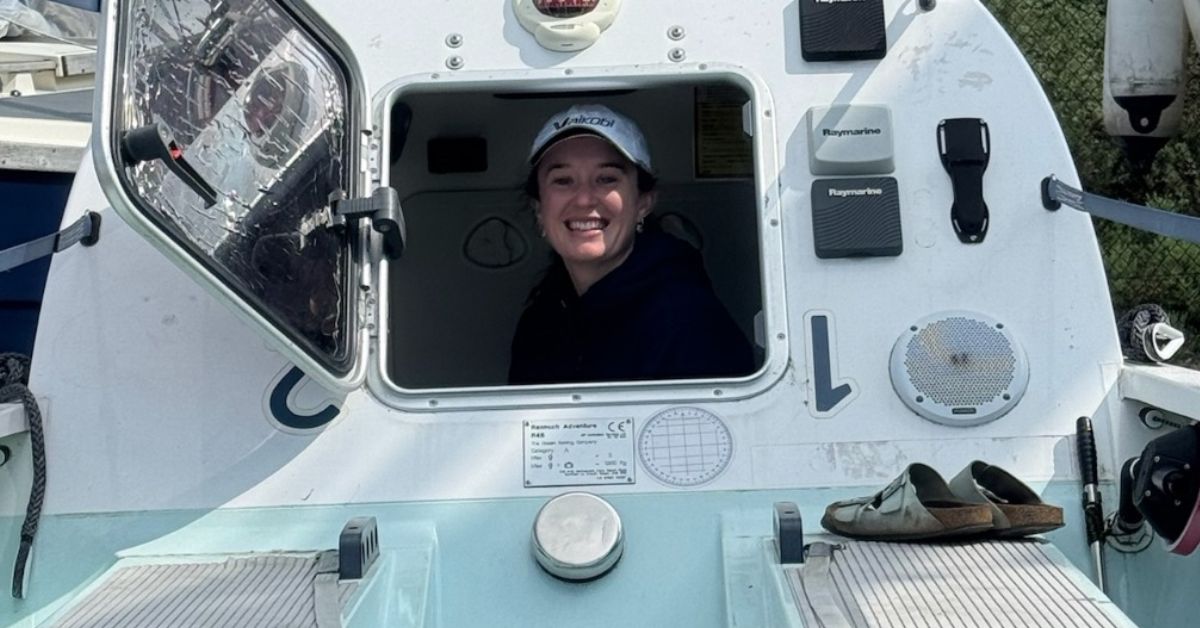
Ruby Scholten, a registered nurse and international competitive sailor from Avalon, is preparing to row 3,000 nautical miles across the Atlantic Ocean in December as part of the World’s Toughest Row, raising funds for two women’s charities while representing Australia from a boat eight and a half metres long.


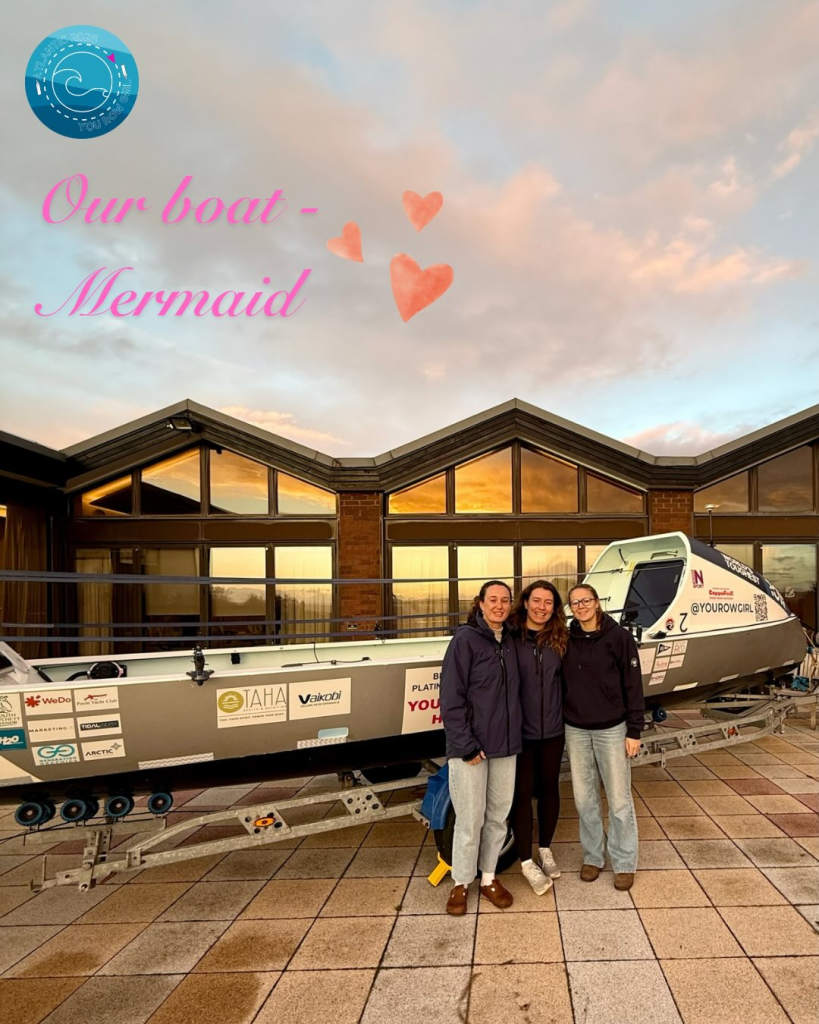
Ruby, who grew up sailing on Pittwater and competing at the world level in women’s match racing, will take on the crossing alongside three fellow sailors she has raced against for years on the international circuit. The team’s boat, Mermaid, measures 8.64 metres long and 1.7 metres wide. It will be their home, their gym and their refuge for an estimated 40 to 50 days on open water.

From Pittwater to the World Stage

Ruby’s sporting life began on the water just a short distance from her front door. She learned to sail at Avalon Sailing Club on Pittwater, took her first dinghy out through the moorings solo as a teenager, and eventually progressed into the Royal Prince Alfred Yacht Club’s Youth Development Program. From there she moved into match racing on Elliott 7s, and in 2018 became part of the first all-female team to win the Hardy Cup, the World Sailing Grade 3 International Youth Match Racing event hosted by the Royal Sydney Yacht Squadron. She later completed her first Sydney to Hobart race on board Insomnia.

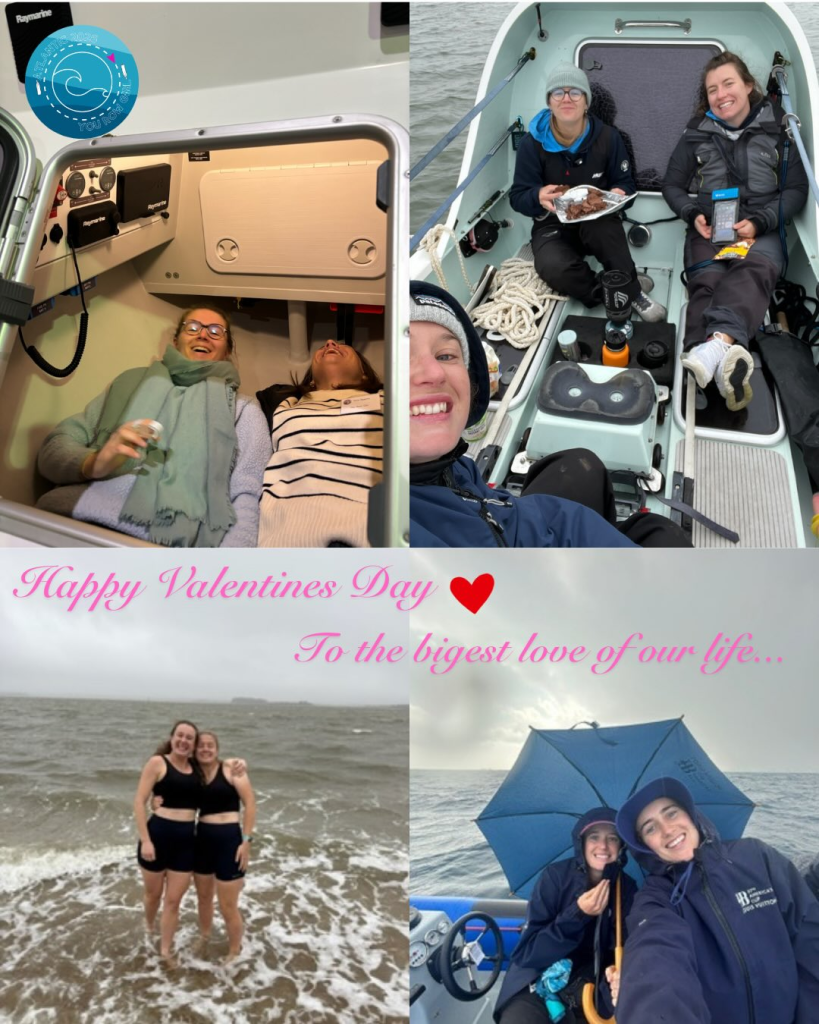
Ruby and her team
Photo Credit: You Row Girl/Facebook

On the international circuit, Ruby has spent the better part of six years competing on the Women’s World Match Racing Tour, racing against and alongside the three women she is now about to cross an ocean with. “Over the past 6 years the 4 of us have competed mainly against each other on the Women’s World Match Racing Circuit, and now we will be racing together,” she said.

Alongside sailing, Ruby completed her nursing degree and began her career at Northern Beaches Hospital. The two threads of her life, sport and healthcare, now converge directly in this challenge.

The Crew Behind the Boat Called Mermaid

The women racing together as You Row Girl each bring something different to the boat. Hebe Hemming, from the UK, was the catalyst. She spotted an ocean rowing boat competing in the race while sailing down the coast of Africa, and the idea took hold. A boat builder working for SailGP, Hemming’s practical skills will matter significantly when 3,000 miles from the nearest shoreline.

Photo Credit: You Row Girl/Facebook

Amy Sparks, also from the UK, was on board the moment Hemming called with the idea. A financial advisor by profession, she brings the kind of methodical thinking a multi-week ocean crossing demands. Charlotte Porter, from New Zealand, is a competitive sailor and physiotherapist currently working as the global travelling physio for SailGP. Her role in managing the team’s physical resilience across weeks of confined, repetitive exertion will be critical.

The four women work full-time jobs while training. “We are just 4 very normal women, working full time jobs, while preparing to take on this adventure of a lifetime,” Ruby said.

What the Row Actually Involves

The World’s Toughest Row Atlantic race departs from San Sebastián de La Gomera in the Canary Islands and finishes at Nelson’s Dockyard, Antigua, covering 3,000 nautical miles of open Atlantic Ocean. The 2025 edition, which departed on 14 December last year, gave an indication of what Ruby’s crew will face: no support vessel, no land, no escape from bad weather or rough seas.

Teams row on a two-hours-on, two-hours-off rotation around the clock, sustaining the effort through freeze-dried food and willpower alone. Ruby and her teammates estimate completing more than 1.5 million oar strokes by the time they reach Antigua. The challenge is fully unassisted, meaning no resupply, no getting off the boat and no outside physical assistance of any kind.

Training involves long sessions on rowing machines, endurance sport, rowing-specific weight work for injury prevention, and extended on-water sessions of up to five days to simulate race conditions as closely as possible.

Rowing for Two Charities That Matter

The team is raising funds for CoppaFeel!, a UK breast cancer awareness charity focused on educating young women about early detection, and Women In Sport, a research-based charity examining the disparity between girls’ participation in sport and what that gap costs society.

“By supporting these two charities we want to create space for women to pursue their dreams, while facilitating the conversation on historically taboo topics through educating women on their body and prioritising health,” Ruby said.

The decision to take on the challenge carries a message beyond the row itself. “We want other women and girls to see that they can dream fearlessly and take on big scary adventures that may challenge the social norms,” she said. It is an extension of something she experienced through sailing on Pittwater. “Sailing has shaped me to be a more empowered, resilient and confident person,” she said. “Sport is not just a game, it can change lives.”

How to Support the Team

Donations to CoppaFeel! and Women In Sport through the You Row Girl campaign can be made via the Australian Sports Foundation at asf.org.au/campaigns/yourowgirl. The team’s progress from December can be followed at yourowgirl.com, on Instagram at @yourowgirl and on Facebook at You Row Girl.


Published 04-April-2026

Avalon Beach Land Gifted to Community Proposed for Permanent Public Open Space

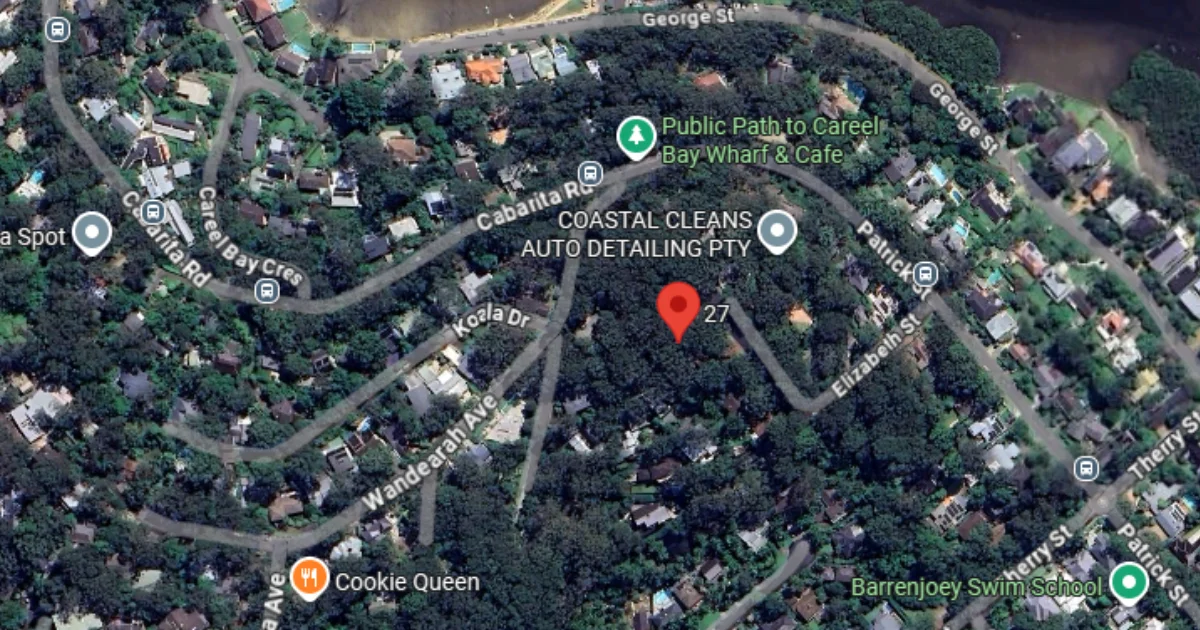
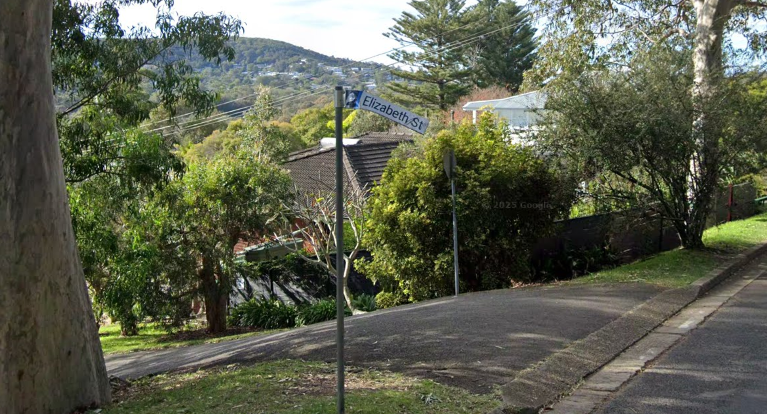
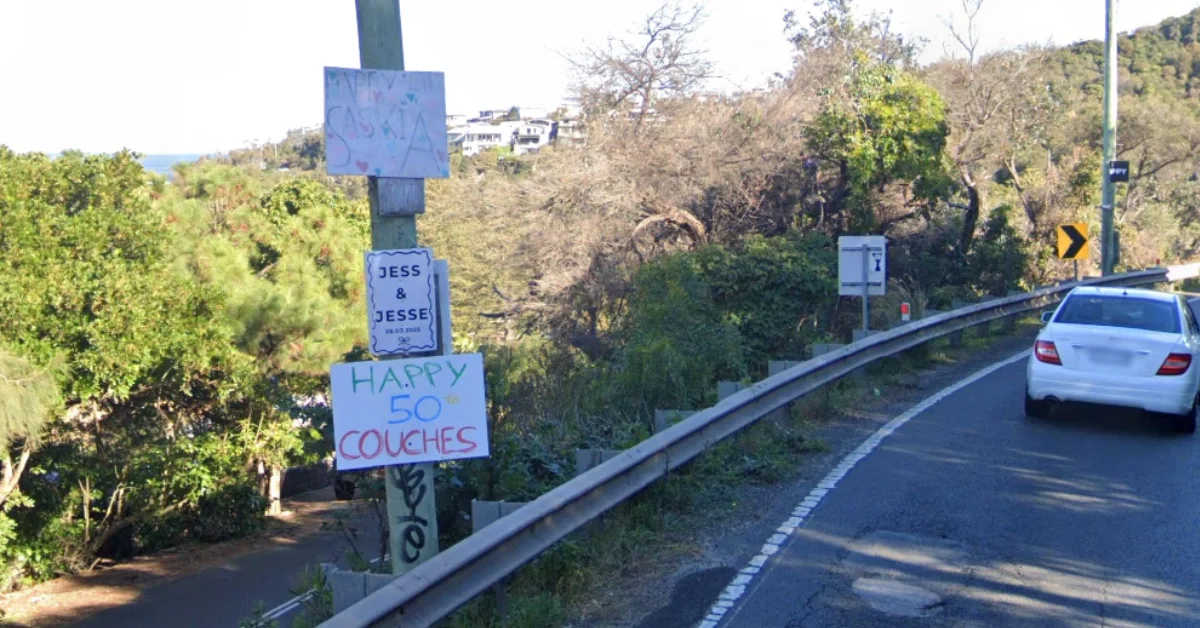
A Pittwater resident has offered to give an environmentally sensitive block of land at 27 Elizabeth Street, Avalon Beach to Northern Beaches, and the community now has until 17 March 2026 to have its say on the proposed classification of the site as Community Land and public open space.


Read: Fox Sighting at Avalon Beach in Broad Daylight Puts Northern Beaches Wildlife on Alert


Northern Beaches’ local officials have placed a formal Public Notice calling for community submissions on the proposed classification of 27 Elizabeth Street, Avalon Beach (Lot 9 DP 773307) as Community Land under the Local Government Act 1993. Submissions close on 17 March 2026.

The notice marks the next formal step in a process that began at the 20 May 2025 council meeting, when councillors voted in a confidential session to accept an offer from a local Pittwater resident to gift the block to council at no cost to council, except for the legal costs incurred by the owner for the transfer.

Photo credit: Google Street View

The identity of the landowner has been kept private, in line with their wishes, and council has provided no further details about the property beyond what is required for the statutory process. What the public notice does confirm is that the council resolved to acquire the land for public open space purposes and, following the transfer, to formally classify it as Community Land.

Cr Miranda Korzy shared details of the decision in her ‘From the Chamber’ update following the meeting. Council, she wrote, would “formally thank the landowner for the proposed donation, acknowledging the significant contribution it makes to enhancing the connectivity and habitat values of the surrounding wildlife corridor and supporting long-term community and environmental outcomes.”

That phrase, wildlife corridor, is worth noting. Privately held land within such corridors can play a critical role in maintaining habitat connectivity for native animals across the landscape. If the proposed classification proceeds, the land’s habitat values will be protected under the strongest provisions available under NSW local government law.

Under the Local Government Act 1993, Community Land is council-owned land designated for public use, such as parks, reserves, and sports grounds, that cannot be sold. Any lease or licence granted over it is capped at a maximum of 30 years. Council is also required to prepare a Plan of Management that sets out how the land will be used, categorised, and protected into the future.

In practical terms, once classified, the land cannot be sold regardless of future decisions, and its use will be governed by a mandatory Plan of Management. Northern Beaches has also indicated it will rezone the land to open space following classification.


Read: Babylon House Claims Prestigious Interior Architecture Award


The 28-day public notice period exists for a reason. Under Section 34 of the Local Government Act 1993, Northern Beaches is legally required to consider all submissions received before presenting a further report to councillors to determine the proposed classification. Submissions close 17 March 2026, and can be lodged in three ways:

By completing the submission form at northernbeaches.nsw.gov.au

By emailing council@northernbeaches.nsw.gov.au

By writing to Northern Beaches Council, PO Box 82, Manly NSW 1655

For enquiries, contact Northern Beaches Council on 1300 434 434.

Published 28-February-2026

Fox Sighting at Avalon Beach in Broad Daylight Puts Northern Beaches Wildlife on Alert

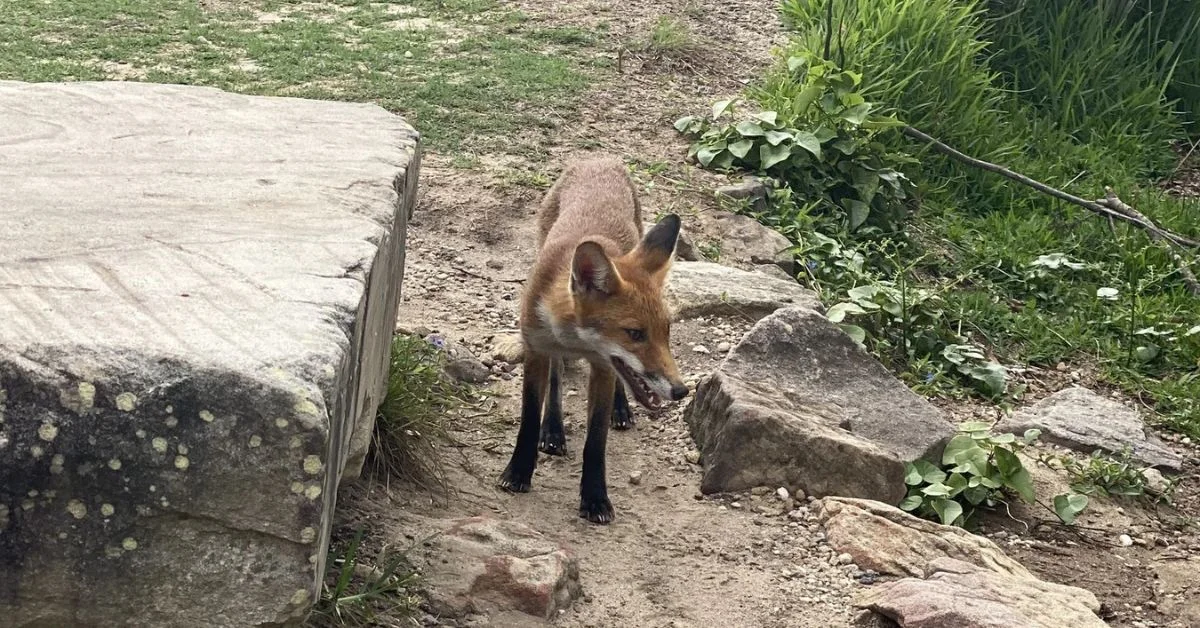
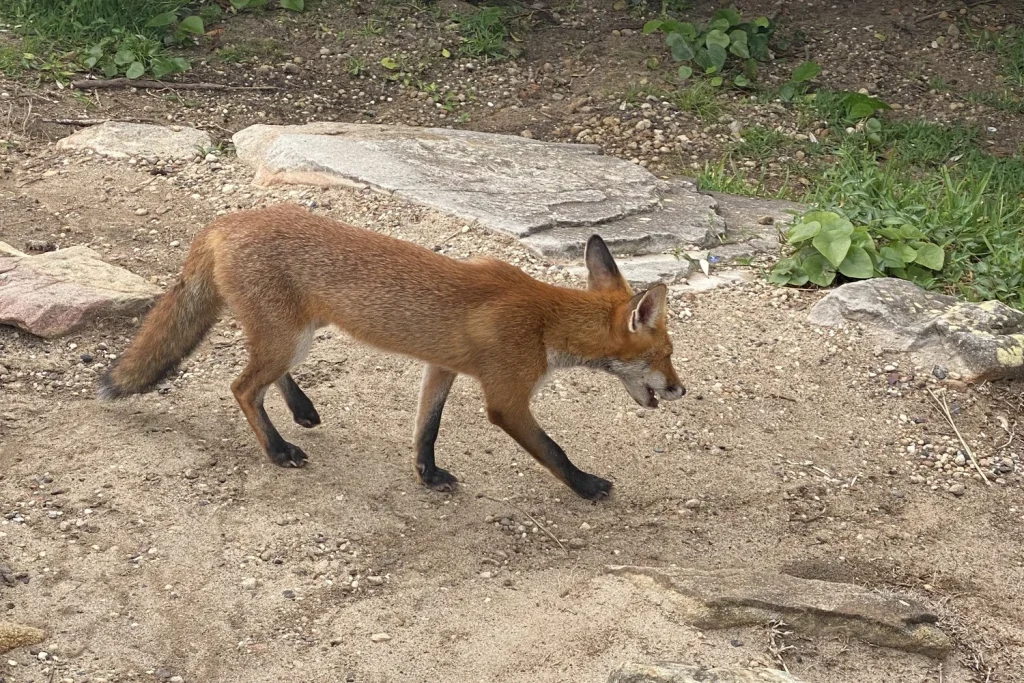
A fox sighting at Avalon Beach during daylight hours this week has alarmed locals and wildlife advocates, raising fresh concern for the native species that make the Northern Beaches one of the most ecologically significant stretches of coastline in metropolitan Sydney.


A resident photographed the European red fox roaming the beachfront reserve in the middle of the day, a marked departure from the nocturnal behaviour foxes typically display. The images spread quickly through the community and divided Avalon locals between those who felt sympathy for the animal and those alarmed at what its brazen daytime appearance signals for the native wildlife living along the coast and in surrounding bushland. For ecologists and wildlife advocates who have spent years working to protect bandicoots, wallabies, possums and Sydney’s only mainland Little Penguin colony, the fox sighting came as no surprise and no comfort.

What a Daytime Fox Sighting Actually Signals

Foxes are primarily nocturnal hunters, but experts at the Invasive Species Council note that daytime fox sightings are becoming less unusual as the animals grow increasingly confident in urban and coastal environments. The shift happens when a fox reads the area as safe enough for daytime movement, or when a vixen is feeding cubs and must forage more frequently than darkness alone allows. Foxes are highly adaptable animals that adjust their behaviour based on opportunity and perceived risk, and when risk reads low and food is available, the boundary between day and night disappears quickly.

Fox sighting
Photo Credit: Janine Moller

That adaptability is precisely what makes the fox such a damaging presence in the Australian environment. Native animals never evolved alongside European red foxes and carry no instinctive strategies for avoiding them. The fox, meanwhile, is an intelligent and efficient hunter that typically kills well beyond what it needs to eat, particularly when it encounters animals that offer no learned defences.

The native animals most at risk from fox predation on the Northern Beaches include swamp wallabies, ringtail possums, long-nosed bandicoots, southern brown bandicoots, ground-nesting birds and, critically, Little Penguins. The Avalon area sits within one of the last strongholds for long-nosed bandicoots remaining in the Sydney region, with significant populations concentrated along the coast between Newport and Pittwater.

A Colony Still Counting the Cost of One Fox

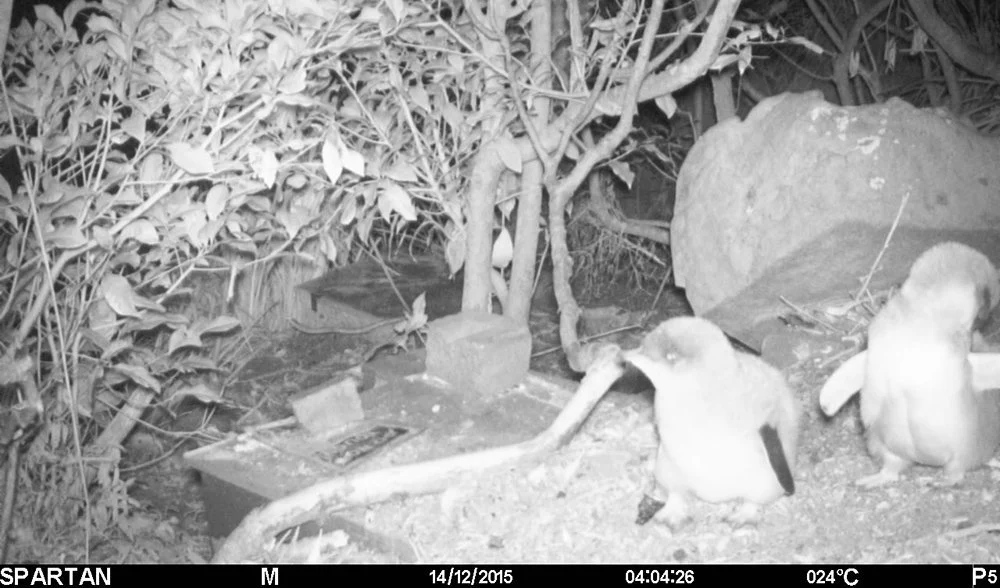
The stakes of a fox sighting anywhere near the Northern Beaches coastline become clear when measured against what happened at North Head, Manly, in June 2015. A single fox killed 26 Little Penguins in eleven days, devastating the only mainland breeding colony of Little Penguins in New South Wales. The Manly colony’s baseline population has never returned to where it stood before the 2015 attack, and the most recent breeding season recorded just 19 breeding pairs. The colony has been listed as endangered since 1997, and in the decade between 2013 and 2023, breeding pairs fell from 70 to 19, a record low.

Photo Credit: Office of Environment and Heritage

The response to the 2015 attack transformed how the colony is now protected. Motion-sensing cameras, thermal detection equipment, fox-deterrent lighting and dedicated penguin wardens stationed at breeding sites from sunset each evening now form part of an ongoing protective effort coordinated by NSW National Parks and Wildlife Service. Fox baits are laid year-round at North Head, and rapid action including baiting, trapping and shooting follows any confirmed fox detection near the colony. Despite that sustained effort, the colony remains acutely vulnerable. It is small, closely observed and one fox away from another catastrophic event.

How Fox Control Works on the Northern Beaches

Fox management across the Northern Beaches operates as a coordinated program involving NSW National Parks and Wildlife Service, Local Land Services and other agencies with responsibilities across the region. Control activities include shooting, baiting with 1080 poison buried at confirmed activity sites, trapping, fumigation and fencing, with the specific combination of methods determined by the type of land, the species at risk and the level of confirmed activity.

When baiting programs are active in reserves, signage is placed at entry points and adjoining residents receive direct notification. Pet owners need to take particular care during active baiting periods: 1080 poison is lethal to cats and dogs, and a single bait carries enough toxicity to kill either. During baiting periods, affected reserves close to dogs entirely. In the event of accidental poisoning, immediate veterinary attention is essential.

Experts across the field consistently note that partial or isolated control efforts cannot solve the problem long-term. Foxes recolonise areas quickly when control is patchy or interrupted, making sustained effort across contiguous land managed by multiple agencies simultaneously the only approach that delivers meaningful protection for native wildlife.

What Avalon Residents Can Do

Every fox sighting reported strengthens the picture of where foxes are active and where control efforts need to focus. FoxScan, a free resource available to all residents, accepts reports of fox sightings, signs of fox activity, den locations and attacks on native or domestic animals. The FoxScan app is available free on both iOS and Android, and every new entry triggers a notification to the invasive species team responsible for the area.

Beyond reporting, the steps residents take at home carry direct consequences for both foxes and the native wildlife that foxes prey upon. Keeping bin lids closed, using enclosed compost bins, bringing pet food inside overnight, securing chicken coops and rabbit hutches and removing fallen fruit from yards all reduce the food sources that draw foxes into residential and coastal areas. Keeping cats indoors overnight and dogs supervised near bushland removes additional pressure from the already stressed native animals sharing that habitat.

Fox sightings can be reported via the FoxScan app or at feralscan.org.au/foxscan. To report injured native wildlife, contact WIRES on 1300 094 737 or Sydney Wildlife on 9413 4300.


Published 26-February-2026.

Avalon Beach’s Cranzgots Pizza to Close as Development Proposal for Boutique Dan Murphy’s Advances

Cranzgots Pizza Cafe in North Avalon, operating since 1998, will serve its last pizza on Sunday 15 March 2026 as a development proposal to demolish and replace the Careel Shopping Village with a new mixed-use centre, anchored by a boutique Dan Murphy’s, moves through the licensing process.


The team behind Cranzgots announced the closure this week and said the decision had been far from easy. They said Cranzgots Pizza had been much more than a restaurant, serving as a gathering place filled with memories and familiar faces, and a venue for live music where the community shared laughs, danced and enjoyed unique pizzas not found anywhere else. The team said the venue had become an Avalon institution over the years.

The café at 1–3 Careel Head Road, known locally as “Cranny’s”, has drawn generations of Avalon families, surfers, soccer players and live music lovers to the Barrenjoey Road corner for 27 years. In a farewell message, the team thanked local groups, musicians and former staff, and said it will mark the closure with a final weekend of celebrations.

The prominent North Avalon site, a long-time stop for residents heading to Hitchcock Park, Careel Bay Playing Fields and Avalon Beach, has secured redevelopment approval after the NSW Land and Environment Court granted consent following conciliation between Grex Holdings Pty Ltd and Northern Beaches Council. Grex Holdings Pty Ltd lodged a liquor licence application with the NSW Independent Liquor and Gaming Authority on 16 December 2025.

What the Development Proposal Involves

The approved development consent covers the demolition of the existing shopping centre and construction of a new purpose-built three-storey mixed-use building. At ground level, the building will house the Dan Murphy’s store along with a small number of specialty retail tenancies. A childcare centre will occupy Level 1, with dedicated lift access from the basement and a separate entry on Careel Head Road that does not share any lobby or entry point with the Dan Murphy’s premises. Off-street basement parking will replace the existing surface car park, with excavation to a depth of approximately 2.3 metres required during construction.

Dan Murphy's development proposal
Photo Credit: APP-0015360276

The proposed Dan Murphy’s is considerably smaller than a typical store in the brand’s network. The trading floor covers approximately 409 square metres, roughly half the size of a standard Dan Murphy’s, and the store will carry around 2,800 product lines compared with approximately 4,000 at a full-format store. The concept is modelled on what Endeavour Group, the parent company behind Dan Murphy’s, describes as a boutique format aligned with “The Cellar by Dan Murphy’s” brand, with a focus on wine education, in-store tastings and on-demand micro-classes hosted by product specialists.

Endeavour has operated a comparable smaller-format store at Elanora Heights, also on the Northern Beaches, with a floor area of around 400 square metres. That store has received strong customer ratings since opening.

A Boutique Format for a Residential Neighbourhood

According to the liquor licence application materials, the proposed store will trade Monday to Saturday from 9am to 9pm and Sunday from 10am to 9pm, shorter hours than the standard trading period for packaged liquor licences in NSW. It will employ approximately eight full-time staff supported by around ten permanent part-time and casual employees, with a stated preference for hiring locally.

Dan Murphy's development proposal
Photo Credit: APP-0015360276

The application documents note that Avalon Beach already has five licensed bottle shops, including Chambers Cellars, Liquorland Cellars (formerly Vintage Cellars), Mr Liquor North Avalon, Clareville Cellars Fine Wine and Beer, and the recently opened Winona Wine Avalon. The applicant argues the new store will redistribute market share among existing retailers rather than expand overall alcohol consumption in the community, drawing on NSW Bureau of Crime Statistics and Research data showing that alcohol-related assaults in Avalon Beach fell from 17 incidents in the year to June 2007 to six incidents in the year to June 2025.

The site sits within 30 metres of Hitchcock Park and approximately 150 metres from the Careel Bay Playing Fields, which includes the Avalon Soccer Club. The Avalon Veterinary Hospital on Barrenjoey Road is roughly 60 metres away. The application documents note there are no schools, nursing homes, places of worship, detoxification facilities or alcohol-free zones within 200 metres of the proposed store. The childcare centre within the same building has been designed with physical separation from the bottle shop, including a dedicated entry and lift that do not intersect with the Dan Murphy’s premises.

Farewell to Cranny’s and How to Follow the Application

The Cranzgots team has called on the community to visit and support the café right up to its final night of trading, inviting everyone to enjoy pizza, music and celebrate the end of an incredible era. Details of the final weekend events will be announced in the coming weeks.

The public submission period for the liquor licence application formally closed on 15 January 2026, but the application remains under assessment by the Independent Liquor and Gaming Authority. Residents who wish to monitor progress or seek further information can visit the Liquor and Gaming NSW Noticeboard.


Published 17-February-2026.

Synthetic Grass Microplastics Increasingly Found in Northern Beaches Waterways Including Avalon and Careel Bay

Microplastic fragments from synthetic grass surfaces are showing up with increasing frequency across Sydney’s Northern Beaches waterways, with research revealing a tenfold increase in some locations between 2022 and 2025.


The Australian Microplastic Assessment Project has been tracking synthetic grass debris across metropolitan Sydney since 2019, finding that these plastic fibres are released from sports fields, residential yards and playgrounds through everyday wear, weathering and maintenance. The fragments then enter stormwater systems and accumulate along shorelines, where they can be ingested by wildlife and act as sponges for other environmental pollutants.

Careel Bay has been included in microplastic monitoring efforts by Living Ocean, which has conducted 17 surveys on Sydney’s Northern Beaches and the Central Coast using AUSMAP protocols. The citizen science study of Careel Bay examines microplastics alongside macro plastic, seagrass and mangrove research.

Dramatic Increases Recorded Across Sydney

At Rose Bay in Sydney Harbour, synthetic grass debris has increased approximately tenfold between 2022 and 2025, reaching over 20 blades per square metre. The highest average concentration recorded was at Tower Beach in Botany Bay, where up to 2,500 blades per square metre were found in 2024, likely due to nearby synthetic grass fields and local stormwater patterns.

Manly Cove has seen synthetic grass fragment concentrations triple since the fragments were first detected in 2019, despite natural year-to-year fluctuations. Researchers consistently find synthetic grass in samples from multiple Northern Beaches locations, with concentrations notably higher in 2025 than in previous years.

Photo Credit: Pexels

How the Pollution Spreads

Synthetic grass microplastic fibres escape from their sources through wear, weathering and maintenance activities like mowing and cleaning. Once mobilised, the fragments travel through stormwater networks and persist in sediments and along shorelines.

Research with Northern Beaches authorities found that 80 percent of waste entering stormwater drains near synthetic sports fields was rubber crumb and microplastics from artificial turf, compared to five percent in areas without these playing fields.

The pollution appears particularly pronounced after wet or windy weather and when many games have been played on synthetic fields. These surfaces are now commonplace across Australia, appearing on community and elite sports fields, school playgrounds, party boats, residential yards and public landscaping.

Environmental and Health Concerns

Synthetic grass installations have been associated with multiple concerns beyond microplastic pollution, including surface temperatures reaching up to 75 degrees Celsius on hot days, increased player injury risk, reduced biodiversity and intensified urban heat. The rubber crumb infill made from recycled tyres has known toxic and carcinogenic properties.

AUSMAP is calling for a five-year moratorium on new planning and approvals for synthetic grass fields until further research clarifies potential human and environmental harm.

The organisation also wants enforcement of Australian standards for pollution mitigation measures on synthetic grass fields and substantial investment into improving drainage and conditions of natural grass fields to avoid synthetic alternatives.

Authorities released guidelines in May 2025 for managing potential environmental and human health risks in the design and management of synthetic turf sports sites, acknowledging known issues with microplastic pollution and heat generation while noting the need for these fields to accommodate increasing populations.


Published 9-February-2026.

Students Help Shape Avalon Public School’s Renewed Nura Djaroba

Avalon Public School’s community gathered to see a well-loved natural play space return to daily use after a major upgrade, marking a new chapter for an area shaped by students, families and local supporters for nearly three decades.


History And Community Roots

The school welcomed families, staff, students and local community members back into Nura Djaroba during its reopening events held in mid November 2025. Planning and fundraising efforts for the renewal began several years earlier, supported by a NSW Government Community Building Partnership grant matched by school community contributions.

Nura Djaroba began in the early 1990s when parents, teachers and local designers worked together to build a natural space that reflected bushland surroundings and Aboriginal knowledge. The space opened in 1996 and supported generations of children who played, learned and explored outdoors. 

Student-Led Redesign

Over time the area needed repairs and updates to meet modern standards, prompting the school community to begin renewal work around 2020. Longtime contributors, including members of the original design team, attended the 2025 reopening to see the refreshed area return to use.

The renewal placed students at the centre of planning. School leaders explained that students shaped ideas for features, accessibility and layout. Their input guided choices such as a wider stage, clearer pathways, new natural play elements and full accessibility through the site. The school emphasised that the space forms part of its identity, and student participation ensured the design continued to reflect the children who use it.

Cultural And Environmental Elements

The reopening featured cultural acknowledgement, including a Welcome to Country and Smoking Ceremony led by local First Nations representatives. A new sculpture named Kip the Koala was introduced as a symbol of respect for local heritage, created by Richard Stutchbury, one of the original designers involved in the 1996 project. 

Native plants were added throughout the play area, with each student planting one, continuing a tradition from the original opening. A waratah was planted as a further link between past and present.

A Space For Learning And Play

School staff described the area as a place that encourages creativity, social connection and outdoor learning. Children use the space for play that grows from their imagination, supported by the natural setting and upgraded features. 


The project brought together families, students, educators and local residents who share a long connection to the site. The reopening reinforced the importance of community involvement in shaping school environments that support both learning and belonging.

Published 26-November-2025

Avalon Pet Owners Warned as Tick Cases Triple in Early Season Surge

Families in Avalon are being urged to check their pets daily after reports confirmed that life-threatening tick paralysis cases have tripled across the region.


The Invisible Intruder

tick
Photo Credit: Pexels

Veterinary clinics on the Northern Beaches have reported a worrying trend where the number of pets affected by these parasites has tripled compared to this time last year. The surge is driven by unseasonably warm weather and high humidity, creating perfect breeding conditions earlier than usual. 

While many owners assume their animals are safe if they stay inside, experts at Sydney Animal Hospitals, which operates in Newport and Avalon, warn that fences and walls are no longer enough protection.

Dr Ben Brown, a vet at the hospital, explained that ticks are incredibly opportunistic. He noted that staff members are seeing cats that have never left their property succumb to tick paralysis. These parasites easily hitch a ride indoors on human clothing, other household pets, or local wildlife. Dr Brown stressed that it takes only a single tick bite to cause severe paralysis, making vigilance essential even for animals that spend their days on the couch.

A Close Call for Tiggy

tick
Photo Credit: Pexels

The danger became all too real for Newport resident Lily Hewitson and her eight-year-old tabby cat, Tiggy. The family rushed Tiggy to the hospital after she became lethargic, disoriented, and struggled to breathe. Ms Hewitson later recalled realising something was wrong when her cat refused food and could not walk properly the next morning.

Upon arrival, the veterinary team quickly located and removed a large paralysis tick near the cat’s shoulder blade. Tiggy required oxygen therapy and overnight hospitalisation to survive the ordeal. Ms Hewitson admitted that Tiggy had missed just one prevention tablet, which was all the opportunity the tick needed. She expressed relief at having her pet home and hoped her experience would remind others that tick prevention is vital for all pets, not just those who roam the bush.


Recognising the Signs

Time is the most critical factor when dealing with tick paralysis. Dr Brown advised owners to watch closely for early warning signs, such as wobbliness in the back legs, a change in the pet’s bark or meow, vomiting, or laboured breathing. He stated that immediate veterinary treatment is necessary, often involving antiserum and oxygen support.

To keep pets safe, the veterinary team recommends consistent use of preventative measures like monthly chews, topicals, or collars. Dr Brown mentioned that dog owners can also ask about a yearly injection that offers continuous protection. To help the community stay ahead of this early season spike, Sydney Animal Hospitals is currently offering free lump checks throughout November.

Published Date 24-November-2025