Fox Sighting at Avalon Beach in Broad Daylight Puts Northern Beaches Wildlife on Alert

A fox sighting at Avalon Beach during daylight hours this week has alarmed locals and wildlife advocates, raising fresh concern for the native species that make the Northern Beaches one of the most ecologically significant stretches of coastline in metropolitan Sydney.


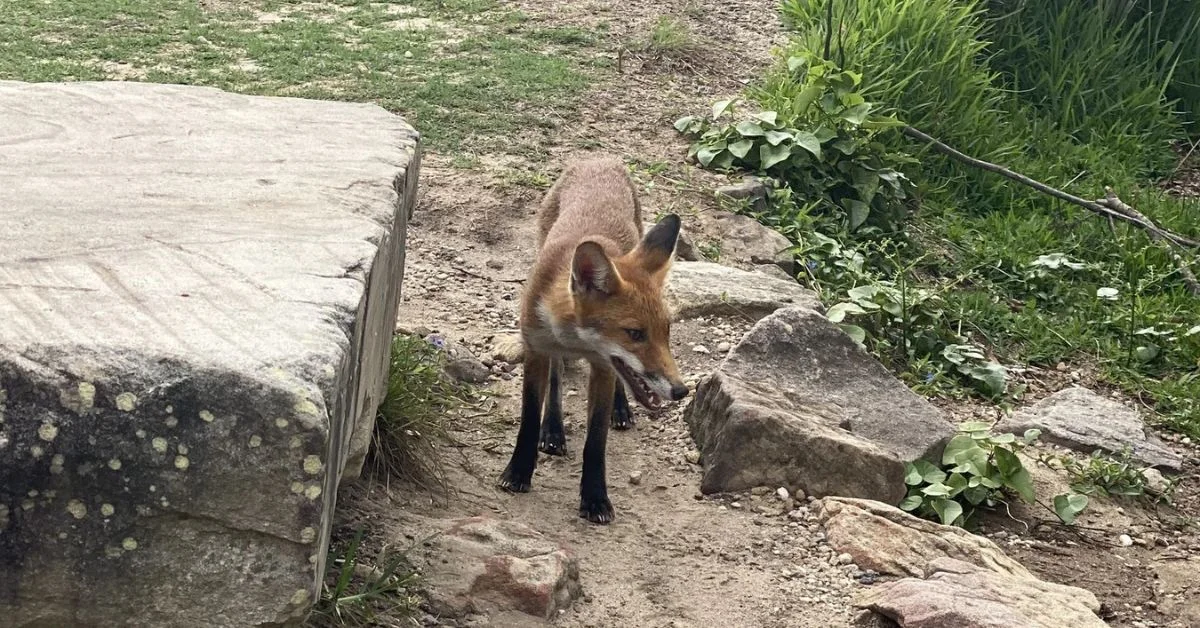
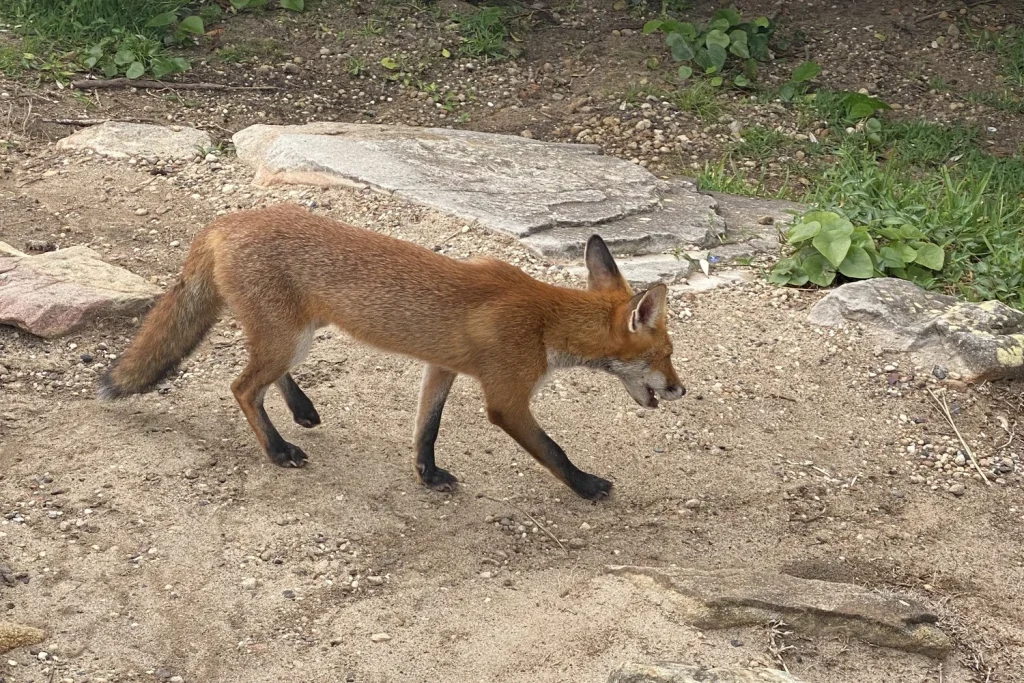
A resident photographed the European red fox roaming the beachfront reserve in the middle of the day, a marked departure from the nocturnal behaviour foxes typically display. The images spread quickly through the community and divided Avalon locals between those who felt sympathy for the animal and those alarmed at what its brazen daytime appearance signals for the native wildlife living along the coast and in surrounding bushland. For ecologists and wildlife advocates who have spent years working to protect bandicoots, wallabies, possums and Sydney’s only mainland Little Penguin colony, the fox sighting came as no surprise and no comfort.

What a Daytime Fox Sighting Actually Signals

Foxes are primarily nocturnal hunters, but experts at the Invasive Species Council note that daytime fox sightings are becoming less unusual as the animals grow increasingly confident in urban and coastal environments. The shift happens when a fox reads the area as safe enough for daytime movement, or when a vixen is feeding cubs and must forage more frequently than darkness alone allows. Foxes are highly adaptable animals that adjust their behaviour based on opportunity and perceived risk, and when risk reads low and food is available, the boundary between day and night disappears quickly.
Fox sighting
Photo Credit: Janine Moller

That adaptability is precisely what makes the fox such a damaging presence in the Australian environment. Native animals never evolved alongside European red foxes and carry no instinctive strategies for avoiding them. The fox, meanwhile, is an intelligent and efficient hunter that typically kills well beyond what it needs to eat, particularly when it encounters animals that offer no learned defences.

The native animals most at risk from fox predation on the Northern Beaches include swamp wallabies, ringtail possums, long-nosed bandicoots, southern brown bandicoots, ground-nesting birds and, critically, Little Penguins. The Avalon area sits within one of the last strongholds for long-nosed bandicoots remaining in the Sydney region, with significant populations concentrated along the coast between Newport and Pittwater.

A Colony Still Counting the Cost of One Fox

The stakes of a fox sighting anywhere near the Northern Beaches coastline become clear when measured against what happened at North Head, Manly, in June 2015. A single fox killed 26 Little Penguins in eleven days, devastating the only mainland breeding colony of Little Penguins in New South Wales. The Manly colony’s baseline population has never returned to where it stood before the 2015 attack, and the most recent breeding season recorded just 19 breeding pairs. The colony has been listed as endangered since 1997, and in the decade between 2013 and 2023, breeding pairs fell from 70 to 19, a record low.
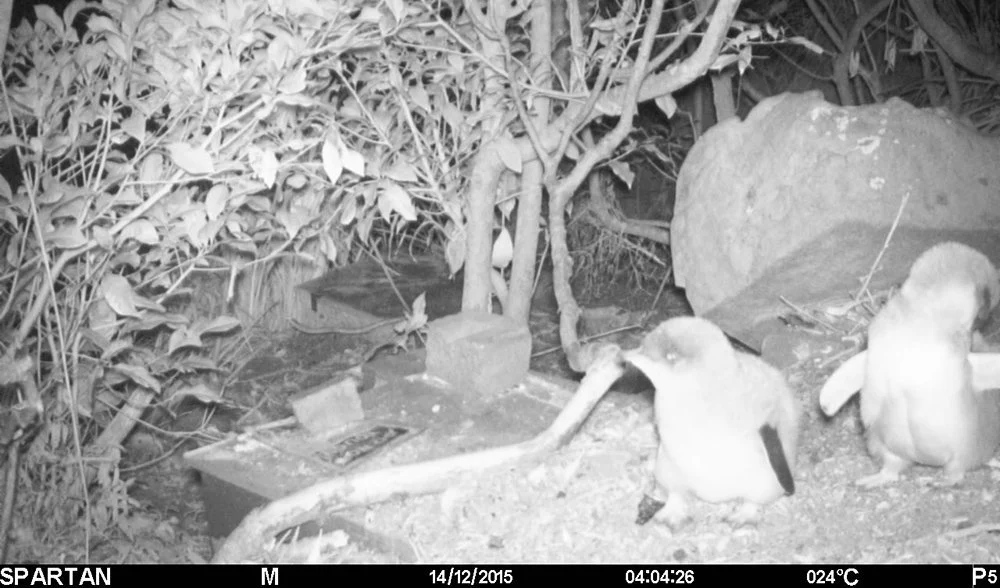
Photo Credit: Office of Environment and Heritage

The response to the 2015 attack transformed how the colony is now protected. Motion-sensing cameras, thermal detection equipment, fox-deterrent lighting and dedicated penguin wardens stationed at breeding sites from sunset each evening now form part of an ongoing protective effort coordinated by NSW National Parks and Wildlife Service. Fox baits are laid year-round at North Head, and rapid action including baiting, trapping and shooting follows any confirmed fox detection near the colony. Despite that sustained effort, the colony remains acutely vulnerable. It is small, closely observed and one fox away from another catastrophic event.

How Fox Control Works on the Northern Beaches

Fox management across the Northern Beaches operates as a coordinated program involving NSW National Parks and Wildlife Service, Local Land Services and other agencies with responsibilities across the region. Control activities include shooting, baiting with 1080 poison buried at confirmed activity sites, trapping, fumigation and fencing, with the specific combination of methods determined by the type of land, the species at risk and the level of confirmed activity.

When baiting programs are active in reserves, signage is placed at entry points and adjoining residents receive direct notification. Pet owners need to take particular care during active baiting periods: 1080 poison is lethal to cats and dogs, and a single bait carries enough toxicity to kill either. During baiting periods, affected reserves close to dogs entirely. In the event of accidental poisoning, immediate veterinary attention is essential.

Experts across the field consistently note that partial or isolated control efforts cannot solve the problem long-term. Foxes recolonise areas quickly when control is patchy or interrupted, making sustained effort across contiguous land managed by multiple agencies simultaneously the only approach that delivers meaningful protection for native wildlife.

What Avalon Residents Can Do

Every fox sighting reported strengthens the picture of where foxes are active and where control efforts need to focus. FoxScan, a free resource available to all residents, accepts reports of fox sightings, signs of fox activity, den locations and attacks on native or domestic animals. The FoxScan app is available free on both iOS and Android, and every new entry triggers a notification to the invasive species team responsible for the area.

Beyond reporting, the steps residents take at home carry direct consequences for both foxes and the native wildlife that foxes prey upon. Keeping bin lids closed, using enclosed compost bins, bringing pet food inside overnight, securing chicken coops and rabbit hutches and removing fallen fruit from yards all reduce the food sources that draw foxes into residential and coastal areas. Keeping cats indoors overnight and dogs supervised near bushland removes additional pressure from the already stressed native animals sharing that habitat.

Fox sightings can be reported via the FoxScan app or at feralscan.org.au/foxscan. To report injured native wildlife, contact WIRES on 1300 094 737 or Sydney Wildlife on 9413 4300.


Published 26-February-2026.

Avalon To Protect Historic Telford Road With New Heritage Sign

Avalon will recognise one of its oldest road surfaces, with the planned installation of a heritage sign at Telford Lane, a surviving Telford-style section of the original Barrenjoey Road.


Community Preservation Efforts

Local historians and long-term residents have consistently advocated for the protection of the exposed stones at Telford Lane, viewing it as an important physical link to Avalon’s early road network. 

Their focus has been on ensuring that historic infrastructure is not lost through maintenance oversights, and preserving it visibly rather than only through archival records. The area has been quietly monitored by local heritage volunteers for years to prevent unintentional resurfacing or removal.

Current Infrastructure Activity

Sydney Water’s renewal works on Old Barrenjoey Road will pause for the summer trading period, with compounds removed around November, then resume from March 2026 and target completion by mid-2026. 

Council is also progressing an off-road cycle track beside Careel Creek and the Avalon Shared Space design process, with community discussion flagged for 2026. The sign will identify and explain the historic road surface and help avoid accidental resurfacing.

Local Historical Significance

The section sits off Barrenjoey Road near North Avalon Road, on an earlier alignment that once crossed Careel Creek. The Telford construction method used compacted stone layers for drainage and durability. This stretch is one of the few remaining examples on the peninsula.


The sign will explain the road’s history and prevent any future sealing of the exposed stones.

Published 22-October-2025

Avalon Tree Battle Ends With Compromise As One Gum Tree Removed, Another Saved

A contentious dispute over native trees in Avalon Beach has finally reached a resolution, with one 80-year-old Flooded Gum removed and another saved through pruning after a year-long community battle.


The saga began in June 2024 when local supporters formed a human blockade to prevent the removal of four large Eucalyptus grandis trees on public land at Ruskin Rowe.

The trees had been deemed hazardous following multiple incidents between October 2023 and May 2024, including reports of falling branches that damaged a vehicle, brought down power lines, and required after-hours emergency services to restore street access. Two trees were successfully removed before the protest action prevented work on the remaining pair.

The decision was based on assessments from multiple qualified arborists, including internal and external experts at Australian Qualifications Framework levels 5 and 8, all concluding the trees posed safety risks and required removal.

However, Cr Miranda Korzy (Greens) challenged these findings, commissioning her own expert assessment from a level 8 arborist with an environmental law degree, who disputed the original risk evaluation methodology.

A challenge was raised to these findings through an independent expert assessment, commissioned from a level 8 arborist with an environmental law degree. This arborist disputed the original risk evaluation methodology.

The dispute proved costly for ratepayers, with questions on notice revealing the council spent approximately $20,000 to reschedule contractors and a further $14,000 in additional arborist consulting fees.

After obtaining further independent expert advice, council determined that while both remaining trees posed risks of dropping significant branches, only one required complete removal. The tree located on public land in the turning circle at the end of Ruskin Rowe could be preserved through strategic pruning.

Contractors returned on 30 July 2025 to complete the work. The arborists also removed an estimated an 80-year-old specimen that could have lived another 15 years.

Community members reflected on the outcome. They voiced ongoing concerns about the conflicting conclusions reached by different arborists throughout the process, and called for state regulation of the arboricultural industry.

The resolution coincides with Northern Beaches Council’s adoption of a comprehensive new Tree Management Policy in July 2025, which replaces five existing tree-related policies from the former councils and aims to increase tree cover by enhancing protection measures, promoting new or replacement planting, and improving the retention and long-term survival of healthy trees.

The importance of the region’s urban forest was highlighted, with the Northern Beaches home to an estimated 12 million trees – the greatest tree canopy coverage in metropolitan Sydney. Since 2019, tree coverage has increased by 485 hectares, with more than 5,000 trees planted annually.

“Trees play a crucial role in maintaining the health and well-being of our community, and this policy ensures we continue to protect and grow our tree canopy, benefiting both current and future generations,” the statement read.

The new policy recognises the multiple benefits trees provide, including air quality improvement, soil protection, water quality enhancement, carbon sequestration, energy conservation, noise reduction, urban cooling, and wildlife habitat provision.


Further details about the Tree Management Policy, including guidelines for tree removal and pruning on private land, are available on Northern Beaches Council’s website.

Published 12-August-2025

Plan for New Cycleways Along Avalon Beach Scrapped

The plan to have new cycleways along Avalon Beach has been scrapped by the Northern Beaches Council, following some backlash from resident groups.


My Place: Avalon – Avalon Beach Place Plan, which identifies improvements and programs for the area, was officially adopted during a Council meeting held in late July 2022.

However, the proposed cycleways within the Avalon Beach village were scrapped, with Council recommending that the proposal be “re-investigated” within 12 months, following unfavourable feedback from the community towards the project.

The public exhibition had received 736 submissions on the draft Place Plan, many of which were critical of the proposed cycleway. The key issues raised include:

  • The concrete divide between the cycleway and the road would be a trip hazard
  • Extending the cycleway across Barrenjoey Road would be dangerous for cyclists and motorists
  • The cycleway will disrupt residents getting in and out of Old Barrenjoey Rd (south)
  • Intermingling cyclists is a dangerous outcome, for the elderly and young pedestrians
  • Oppose the bike path due to the loss of trees
  • The cycleway will result in the loss of 30 parking spaces
  • A dedicated cycle path on Old Barrenjoey Rd would be a disaster and only cause high anxiety between the community and the Lycra brigade who travel at high speed
  • Some community support for the Alternate Avalon Bike Path Plan – Avalon Preservation Association that locates the cycleway in the laneways

A Council document stated that the cycleway would have provided the community with a safe cycling route and that it was developed as a response to the community’s expressed desire for active transport options apart from vehicles.

It likewise stated that the design did not incorporate a long concrete divide between the cycle path and car parking spaces as there are other materials and structures that could be used as well as breaks that would allow prams/wheelchairs and walkers access.

“No parking spaces would have been lost as a direct consequence of the proposed cycleway and no disabled car parking spaces will be removed as part of the design concept. In total 11 parking spaces will be removed from Old Barrenjoey Road and Avalon Parade to cater for the intersection redesign and incorporated footpath widening,” the document added.  

“We recognise the local community is passionate about the environment and protection of trees and vegetation and the design of the cycleway was undertaken to minimise tree removal. However, as part of the design, six trees in the centre of the Old Barrenjoey Road (south) and three small trees along the western footpath edge need to be removed.”

“As part of the Place Plan extensive additional planting would be undertaken throughout the village,” Council stated as a response to the concerns over the loss of trees as part of the Place Plan.

Considering the concerns raised, the proposed cycleway will not proceed despite the mitigation measures available. 

“Our 10-year plan for Avalon Beach sets out both longer-term projects such as redesigning the Old Barrenjoey Road and Avalon Parade intersection and quick win projects that have already been completed such as improving Dunbar Park playground in 2021,” Mayor Regan said..

Council will trial temporary southbound shared along Old Barrenjoey Road between Avalon Parade and Woolworths car park entrance. Before a permanent shared zone is considered, however, the community will be invited to have their say.


Improvements on the Avalon Beach streetscape will also be part of the plan including resurfacing footpaths and roads, landscaping, installing new street furniture, increasing the opportunities for art in public spaces and performance spaces, and improving lighting. Greening of the area will also be a major component of the plan.

Barrenjoey Swim School in Avalon Offered a Reprieve Following an Order to Close Down

Barrenjoey Swim School, a backyard swim school on Patrick Street in Avalon that was served with a notice of closure over a noise and traffic congestion complaint, has been offered a reprieve.


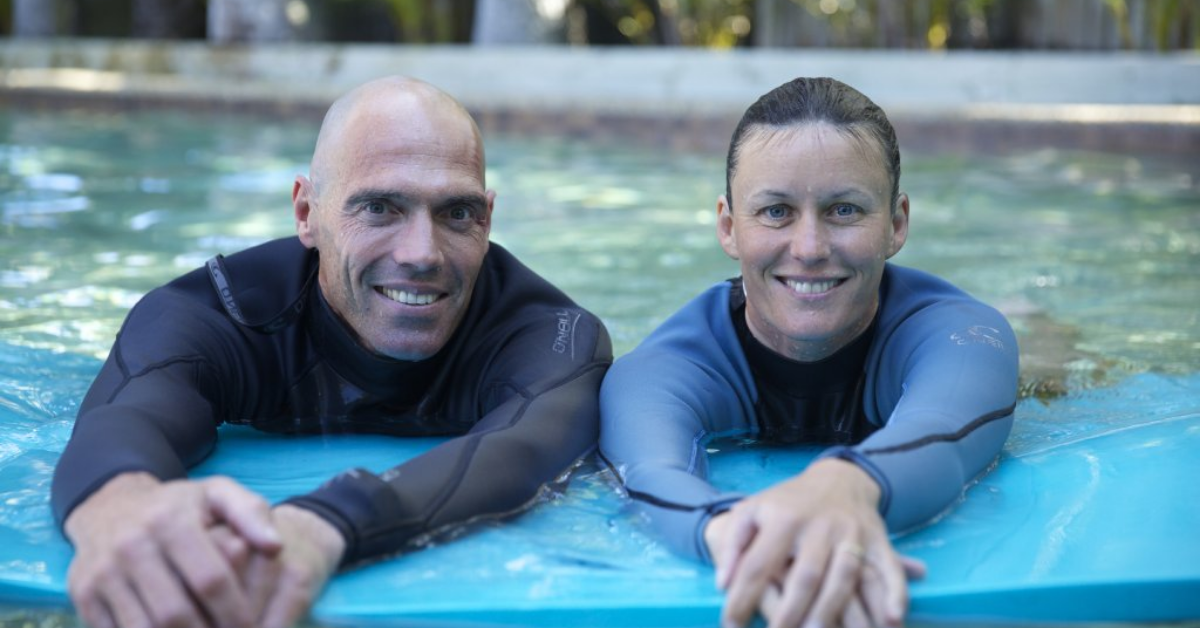
Barrenjoey Swim School is a home business owned and operated by Damian and Lucie Geyle and has been operating for more than ten years now. The backyard swim school was ordered by the council to close down following an inspection in December last year in response to a neighbour’s complaint about noise and traffic. 

The inspection resulted in the home-business being re-classified as a “recreational facility” which means it cannot operate within an R2 zoned area. The owners were given 90 days to comply with the order.

“Northern Beaches Council has ordered us to stop running a swim school because it is making too much noise,” the swim school’s notice to their clients on 21 February reads.

They furthered that at this stage their only option is to bring the matter to the court and fight the council which would be “expensive, time-consuming and seriously stressful.”

The council explained that given that Barrenjoey Swim School interferes with the amenity of the neighbourhood, it doesn’t meet the definition of a “home business” that would have qualified it as an “exempt development” under the Northern Beaches planning rules.

Barrenjoey Swim School to continue operating

The owners recently met with Northern Beaches Council CEO Ray Brownlee and Planning and Place Director, Louise Kerr. The Geyles emerged from the meeting with a sigh of relief as they were offered a reprieve by Council and gave them two months to submit a proposal addressing the noise and traffic concerns.

Damian and Lucie Geyle will work with the stakeholders to come up with suggestions that will tackle the noise and traffic congestion. 

Photo Credit: Barrenjoey Swim School / bjswimschool.com.au

Closure notice outraged locals and questioned future of home businesses

The notice of closure caused an uproar among the members of the community, particularly parents of children taking lessons at the swim school and sparked an online petition as well.. Outraged locals took to social media to express their anger and concern about the future of small home businesses. 

“Not only does this mean a loss of livelihood for Damian and Lucie but seems like a dangerous loss for a community that revolves around water. Will this set a precedent for the handful of other swim schools in the area? Kids are already behind in swimming with all the closures the last few years….” writes Eliza Viney on her social media.

Photo Credit: Barrenjoey Swim School / bjswimschool.com.au

One of those who commented questioned how one complaint could cause the closure of the swim school. Whilst another could not reconcile the fact that the NSW Government has been encouraging parents to enrol their kids in swimming lessons with the $100 first lap vouchers but at the same time council is “thinking that closing a local swim school is the right thing to do.”


“I never share issues like this on my page, but this one is really close to my heart as it affects some lovely friends, and also creates a terrible precedent for any work from home business,” Running Under The Sprinkler Photography’s post reads.

“I can vouch for the family’s respectful use of their home as a business, having been there during class times, and knowing others who have been there at class times, and also because I live on the same block. I am also aware of what I think may be the catalyst for this action, and it’s definitely not noise from the swim school (which operates in small, and sensible, weekday hours).

“Kids need to learn to swim, and Barrenjoey Swim School is a very well-established, well-respected, family-run home business.”

Council Proposes New Draft Plan for Avalon Beach Village

The Northern Beaches Council’s new draft plan, My Place: Avalon, is currently up for community feedback to revamp and revitalise the Avalon Beach Village. 


With a heavy emphasis on community engagement and participation, the My Place: Avalon project intends to consult the public and encourage locals to collaborate with the Northern Beaches Council to create a shared vision of the future. 

Mayor Michael Regan says the Council has drawn up a draft plan after collecting community feedback over a number of years. 

“We plan to hold pop-up events during the public exhibition period; there will be an online community survey; people can comment on the project’s YourSay page and copies of the draft plan will be available at the Mona Vale Customer Service Centre and Avalon Beach Library.”

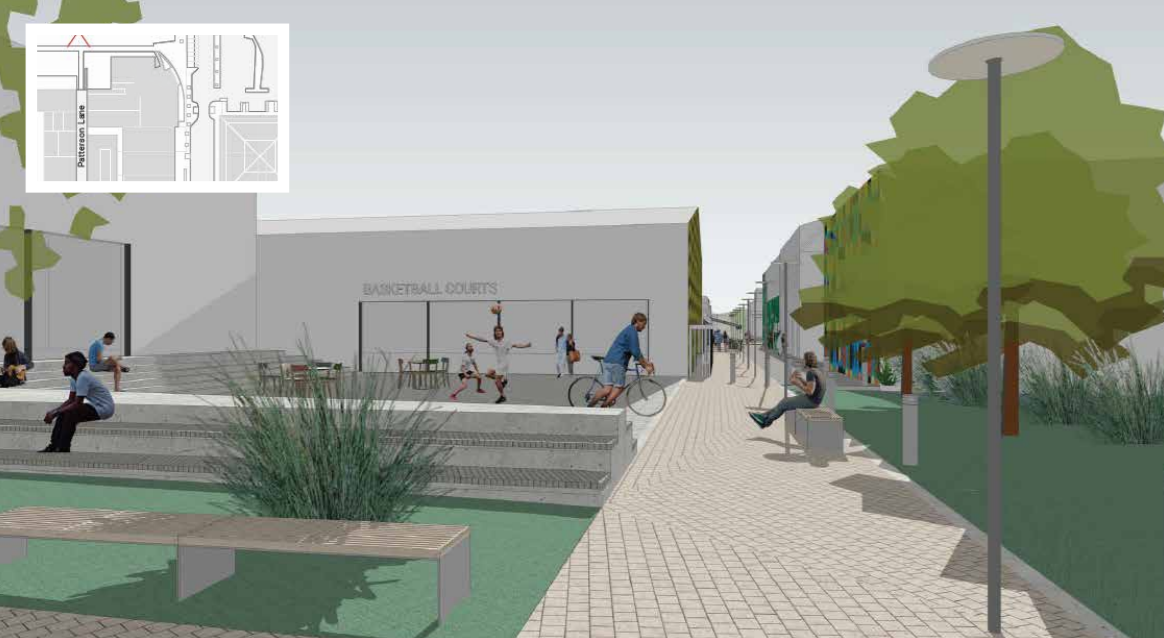
According to the draft plan, some of the Council’s proposed changes include upgrades to the Dunbar Park’s playground, the implementation of netball and half court basketball courts, as well as ambient lighting within the VIllage. Outdoor activities will be promoted with street furniture and exercise stations in open space areas, thus creating new places for people to gather. 

Render of proposed upgrades and additions to Avalon Beach Village
Photo credit: Avalon Beach Place Plan

In order to promote stewardship of the natural environment that protects and enhances the local ecosystem, the Northern Beaches Council will incorporate recycling waste bins decorated with work by local artists into streetscape enhancement works. There will also be an increase in tree and vegetation planting throughout Avalon Beach, integrated into buildings, laneways, and car parks to promote green architecture and increase biodiversity. 

Avalon Beach Village
Photo credit: Avalon Beach Plan

Further details can be read about in the draft plan. Avalon Beach residents can fill out the Northern Beaches Council’s online community survey here to chip in and let their voices be heard. Submissions are expected to close on Sunday, the 16th of May, 2021. In order to comply with COVID-19 guidelines and safety measures, face-to-face meetings will not be held unless requested via their email, council@northernbeaches.nsw.gov.au.

Council Names Avalon Local Paris Jeffcoat as ‘Young Citizen of the Year’

Northern Beaches Council named Avalon local Paris Jeffcoat as its “Young Citizen of the Year” during Australia Day. She was one of 18 other individuals honoured and celebrated at this special event last January 2019.

Ms Jeffcoat was recognised for establishing One Eighty Avalon Inc.,  a non-profit youth suicide prevention organisation. Bothered by at least three incidents of suicide among the people she knew, Ms Jeffcoat created the charity to push for the improvement of mental health awareness and services in the Northern Beaches.

Two years after setting up One Eighty with her friend and fellow Avalon resident Leanne Westlake, Ms Jeffcoat and her group were able to establish training, workshops, events and counselling programs in Avalon and nearby suburbs.

Photo Credit: One Eighty/Facebook

One Eighty works other advocacy groups such as the Avalon Youth Hub, Lifeline and Gotcha4Life in carrying out their programs. Ms Jeffcoat was also able to tap the help of the Council, Northern Sydney Health and concerned non-profit organisations connected to mental health support.


“The lacking visibility and accessibility of youth mental health services in our area, the anger at losing too many friends to mental illness, and the poor representation of young people in the development and implementation of mental health care services were factors,” Ms Jeffcoat said of her motivation in a press release.

“One Eighty is youth mental health done differently. We’re approaching the issue from a young person’s perspective, which is really unique, and that allows us to best engage with the people we are trying to help.”

NSW Education Minister Rob Stokes also acknowledged the contribution of One Eighty to the Northern Beaches community. He commended the group for its objectives, passion and enthusiasm.


Meanwhile, the other individuals named for the invaluable contributions to Northen Beaches included Graham Whittaker (Narraweena), a juvenile custody mentor, as Citizen of the Year; Maureen Rutlidge (Elanora Heights), an adults with special needs mentor, as Senior Citizen of the Year; and Reece Hodge as Sportsperson of the Year.

Fifteen residents, on the other hand, were also awarded the Outstanding Service Awards:

  • Allambie Heights – Geoff McKay
  • Belrose – Ralph Schubert
  • Collaroy – James Cowan
  • Collaroy Plateau – Joan Reid
  • Collaroy Plateau – Rowena Graham
  • Elanora Heights – Helen Hines
  • Elvina Bay – Mick Miller
  • Fairlight – Harriet Spark
  • Forestville – Peter Watson
  • Frenchs Forest – Peter Dean
  • Manly – Diana Aitken
  • Manly – Eli Demeny
  • Manly – Helen Pook
  • Manly – Robert Owen Carlon
  • Warriewood – Vivian Dunstan