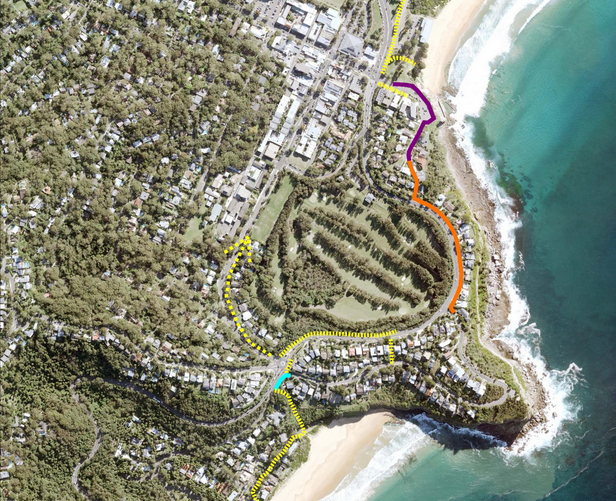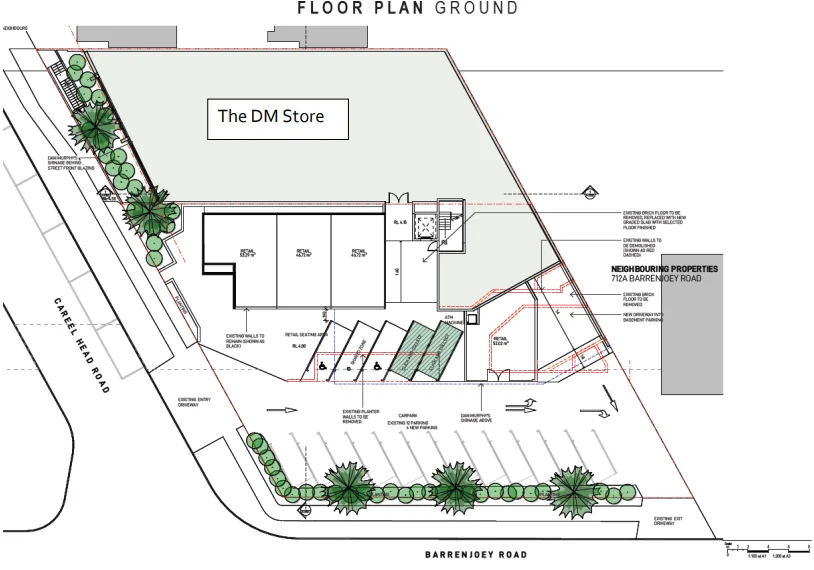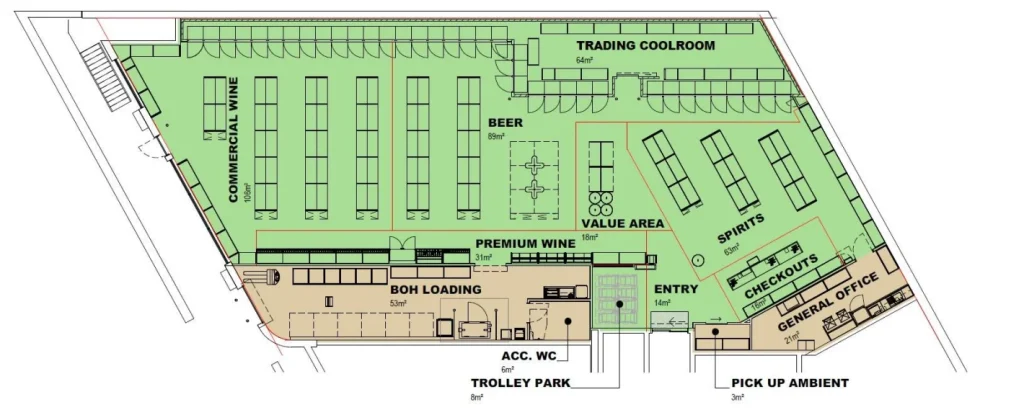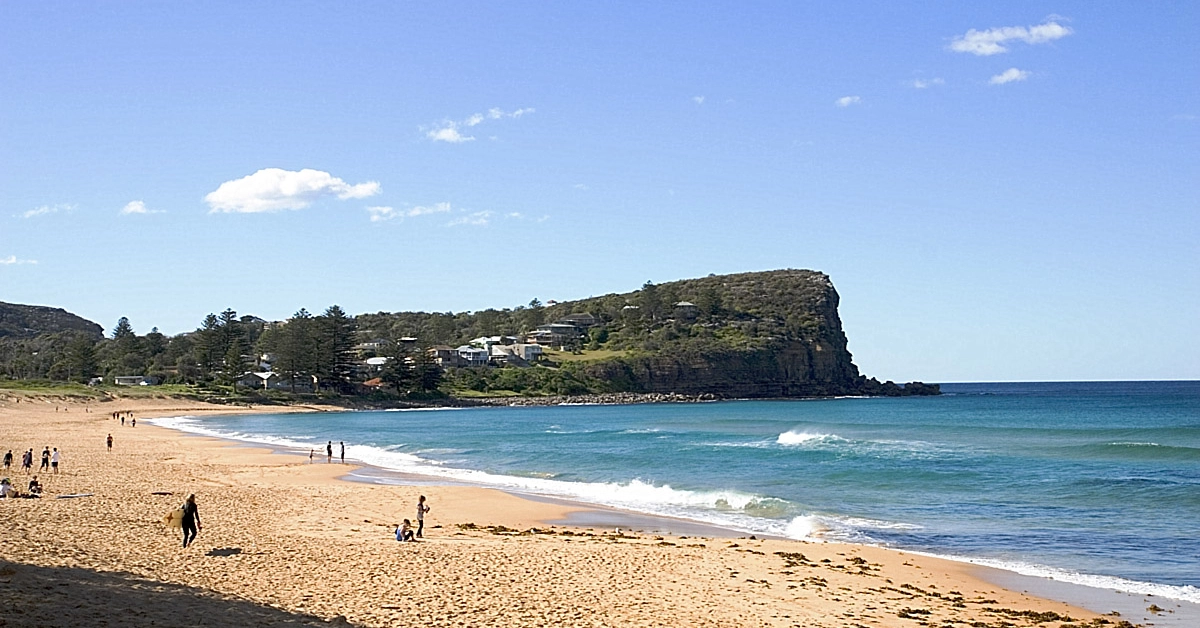
Paul Stanton, an Avalon resident, was surfing south of the rock pool at approximately 5.40am on 10 January when a shark emerged from beneath him and made contact with his surfboard while he was paddling.
Mr Stanton instinctively pushed the animal away, but sustained a minor laceration to his left thumb when it made contact with the shark’s tooth. The encounter left two distinct tooth marks on the fin of his surfboard, along with drops of blood.
After alerting other surfers in the water, Mr Stanton paddled back to shore. Despite the incident, he was reported to be in good spirits and the injury to his hand was minor enough that it did not require bandaging. According to another local surfer, Mr Stanton later went surfing at Whale Beach after Avalon Beach was closed.
The type of shark involved in the incident could not be determined, as low light conditions at the time prevented Mr Stanton from seeing it clearly in the water.
Following standard protocol for shark incidents, Surf Life Saving NSW closed Avalon Beach and conducted extensive searches of the area using jet skis, inflatable rescue boats and drones. However, drone operations were hampered by high winds on the day. The shark was not located during these patrols.
Despite the beach closure and warnings from surf lifesavers, some swimmers and surfers chose to enter the water throughout the day as temperatures climbed.
The incident occurred approximately four months after a fatal shark attack claimed the life of 57-year-old Mercury Psillakis at nearby Long Reef in September 2025.
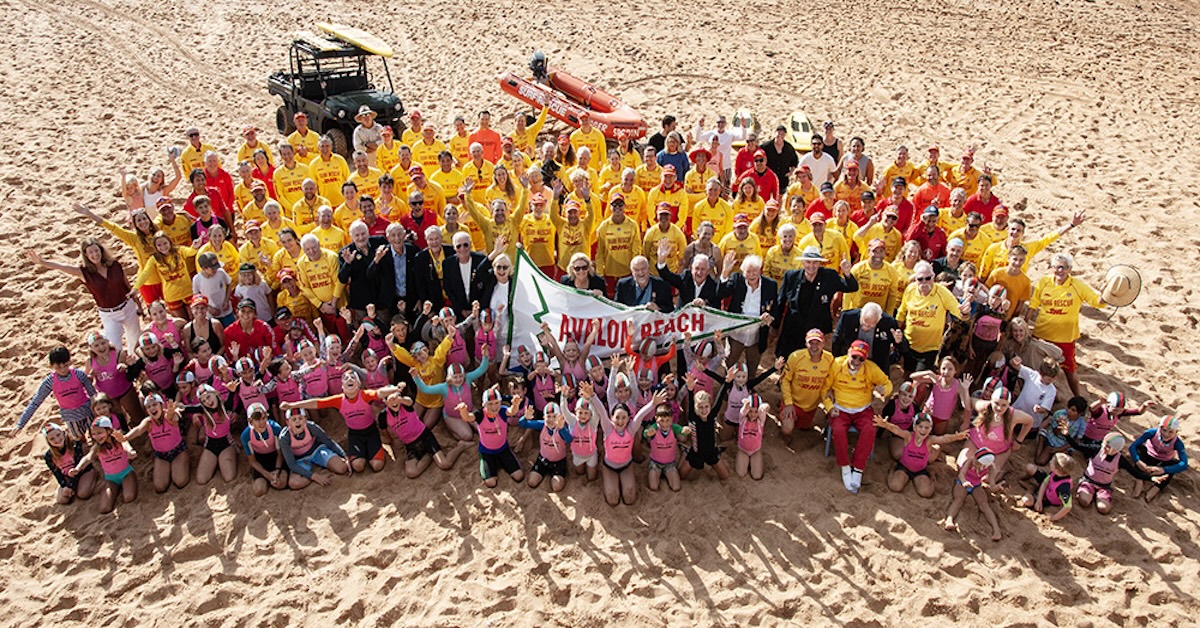
Two members from Avalon Beach SLSC have been recognised with National Medals, highlighting years of verified frontline patrol service and long-standing volunteer commitment within the local beach community.
The honours were announced as part of a national recognition round administered by Surf Life Saving Australia, which acknowledged 212 members across the country for long and sustained service involving risk to life and property.
The awards form part of the Australian honours system and recognise members who meet eligibility standards set by the Commonwealth. The Avalon Beach recipients were named in the latest National Medal batch released by Surf Life Saving Australia.
Avalon Beach Recipients
Avalon Beach Surf Life Saving Club members Mark Head and Wilson Gamble were recognised for meeting national service thresholds through consistent patrol participation across many seasons.
Head received a National Medal with a 1st Clasp, reflecting service beyond the initial 15-year requirement, while Gamble was awarded the National Medal for completing the minimum period of eligible patrol service. Their recognition reflects years spent patrolling Avalon Beach, maintaining annual proficiency, and completing required patrol hours each season.
How National Medal Service is Measured
Eligibility for the National Medal is governed by federal regulation rather than club or organisational discretion. Members must complete at least 30 patrol or lifeguarding hours per season across a minimum of 15 full years, measured by recognised patrol seasons running from 1 July to 30 June. Service does not need to be continuous, though only approved and proficient patrol seasons are counted.
Junior activities, cadet service, and approved leave periods do not contribute toward eligibility. Additional clasps are awarded for each further 10 years of verified service, with full service records reassessed at each stage.
Community Impact at Avalon Beach
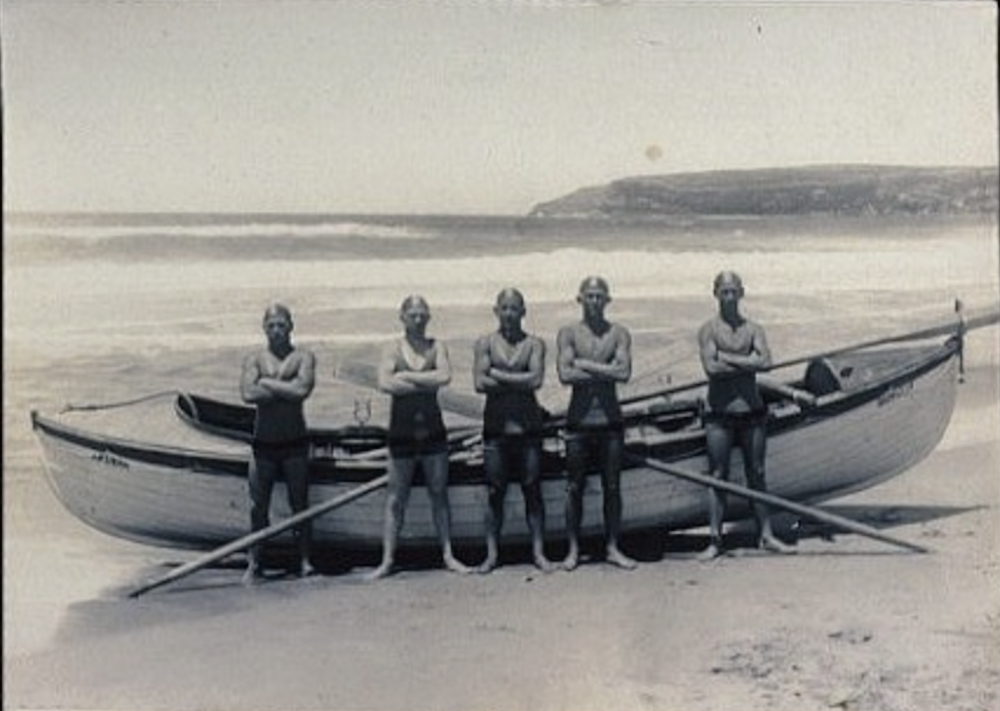
Avalon Beach SLSC has a long history of volunteer patrol work, training, and community safety dating back to its formation in 1925. The club continues to support beachgoers through regular patrols, rescue response, and water safety education.
National Medal recognition places local members among a limited number nationwide who have met long-term operational service requirements. For the Avalon community, the awards reflect the steady commitment required to keep the beach safe season after season.
What started in Avalon as a simple school idea has grown into a Northern Beaches charity recognised by the President of Timor Leste, with the community now coming together for a major fundraiser at a Brookvale brewery.
The story began more than 15 years ago at Maria Regina School in Avalon, where students wanted to support children in the remote Timor Leste village of Soibada. Their idea spread beyond the classroom and brought in parents, teachers, and local groups, forming the foundation of Friends of Soibada.
The charity formally registered in 2010 and built a long-term partnership between the Northern Beaches and the village. Avalon remains central to its history, as early fundraising, awareness events, and support grew from the school community before expanding to surf clubs, churches, Rotary groups, the council, and 18 other schools.
Friends of Soibada focuses on sustainable development, with volunteers visiting twice a year to work with residents on education, health, hygiene, and community needs.
Recognition And Community Impact
Earlier this year, Friends of Soibada received the Order of Timor Leste, awarded by President Jose Ramos Horta. The honour recognised the charity’s long-standing contribution to improving daily life in Soibada. The award also highlighted the unusual beginnings of the organisation, which grew from a student-led idea into a cross-community partnership spanning two countries.
Many of the original Avalon students have since grown into adults who continue to support the work. Some have travelled to Soibada as volunteers, strengthening personal ties between the Northern Beaches and the village.
January Fundraiser At 7th Day Brewery
The next chapter of the partnership takes place at 7th Day Brewery in Brookvale on 24 January 2026, where Friends of Soibada is hosting a large community fundraiser.
The event features live music from local bands, raffles, and stalls, with all funds directed toward projects in Soibada. Money raised supports teacher wages, health initiatives, and a dental program aimed at improving access to basic care.
The fundraiser reflects the same community-driven spirit that started in Avalon. Local businesses, musicians, and residents are contributing time and resources to support the cause.
A Continuing Avalon Connection
While the charity’s reach now extends across the Northern Beaches, Avalon remains closely linked to its identity. The suburb is regularly referenced in the charity’s story as the place where the partnership began.
ARIA Award winning rapper 360 will bring his Back N Forth Tour to Avalon RSL, giving local fans the chance to see the Australian hip hop artist at their community venue.
The tour runs from 5 February to 27 June and includes 43 regional stops across the country. The Avalon RSL date forms part of a national run announced after his sold out Out Of The Blue capital city tour and the chart success of his fifth studio album.
360’s regional tour follows the strong chart debut of his album Out Of The Blue, which entered at number one on the ARIA Australian Hip Hop Albums Chart. The tour schedule places his focus on regional towns after the release of the new record and the completion of his capital city series.
The announcement states that his live set will feature tracks from the album along with earlier favourites that shaped his rise in Australian hip hop.
Partnership With PEZ
The tour bills longtime collaborator PEZ alongside 360 across the full regional run. Both artists began working together as Forthwrite in the late 2000s and have continued releasing collaborations throughout the past decade.
Their onstage dynamic is close and energetic, and 360 has said they plan to revisit classics and older tracks they do not usually perform on solo tours. Their recent work on the track Broken from Out Of The Blue adds to their shared history.
What Fans Can Expect
Tour announcements describe a high energy, career spanning show built on new material from Out Of The Blue and older hits such as Falling and Flying and The Festival Song.
The event listing emphasises storytelling, familiarity between the two performers and a mix of songs that reflect their long working partnership.
Local Community Interest
The Avalon RSL date means fans in the area have access to the Back N Forth Tour without travelling to larger venues. As a club venue, Avalon RSL offers a closer view of the stage than major arenas, offering a different live setting for long time listeners.
Avalon Public School’s community gathered to see a well-loved natural play space return to daily use after a major upgrade, marking a new chapter for an area shaped by students, families and local supporters for nearly three decades.
The school welcomed families, staff, students and local community members back into Nura Djaroba during its reopening events held in mid November 2025. Planning and fundraising efforts for the renewal began several years earlier, supported by a NSW Government Community Building Partnership grant matched by school community contributions.
Nura Djaroba began in the early 1990s when parents, teachers and local designers worked together to build a natural space that reflected bushland surroundings and Aboriginal knowledge. The space opened in 1996 and supported generations of children who played, learned and explored outdoors.
Student-Led Redesign
Over time the area needed repairs and updates to meet modern standards, prompting the school community to begin renewal work around 2020. Longtime contributors, including members of the original design team, attended the 2025 reopening to see the refreshed area return to use.
The renewal placed students at the centre of planning. School leaders explained that students shaped ideas for features, accessibility and layout. Their input guided choices such as a wider stage, clearer pathways, new natural play elements and full accessibility through the site. The school emphasised that the space forms part of its identity, and student participation ensured the design continued to reflect the children who use it.
Cultural And Environmental Elements
The reopening featured cultural acknowledgement, including a Welcome to Country and Smoking Ceremony led by local First Nations representatives. A new sculpture named Kip the Koala was introduced as a symbol of respect for local heritage, created by Richard Stutchbury, one of the original designers involved in the 1996 project.
Native plants were added throughout the play area, with each student planting one, continuing a tradition from the original opening. A waratah was planted as a further link between past and present.
A Space For Learning And Play
School staff described the area as a place that encourages creativity, social connection and outdoor learning. Children use the space for play that grows from their imagination, supported by the natural setting and upgraded features.
The project brought together families, students, educators and local residents who share a long connection to the site. The reopening reinforced the importance of community involvement in shaping school environments that support both learning and belonging.
Families in Avalon are being urged to check their pets daily after reports confirmed that life-threatening tick paralysis cases have tripled across the region.
Veterinary clinics on the Northern Beaches have reported a worrying trend where the number of pets affected by these parasites has tripled compared to this time last year. The surge is driven by unseasonably warm weather and high humidity, creating perfect breeding conditions earlier than usual.
While many owners assume their animals are safe if they stay inside, experts at Sydney Animal Hospitals, which operates in Newport and Avalon, warn that fences and walls are no longer enough protection.
Dr Ben Brown, a vet at the hospital, explained that ticks are incredibly opportunistic. He noted that staff members are seeing cats that have never left their property succumb to tick paralysis. These parasites easily hitch a ride indoors on human clothing, other household pets, or local wildlife. Dr Brown stressed that it takes only a single tick bite to cause severe paralysis, making vigilance essential even for animals that spend their days on the couch.
A Close Call for Tiggy
Photo Credit: Pexels
The danger became all too real for Newport resident Lily Hewitson and her eight-year-old tabby cat, Tiggy. The family rushed Tiggy to the hospital after she became lethargic, disoriented, and struggled to breathe. Ms Hewitson later recalled realising something was wrong when her cat refused food and could not walk properly the next morning.
Upon arrival, the veterinary team quickly located and removed a large paralysis tick near the cat’s shoulder blade. Tiggy required oxygen therapy and overnight hospitalisation to survive the ordeal. Ms Hewitson admitted that Tiggy had missed just one prevention tablet, which was all the opportunity the tick needed. She expressed relief at having her pet home and hoped her experience would remind others that tick prevention is vital for all pets, not just those who roam the bush.
Time is the most critical factor when dealing with tick paralysis. Dr Brown advised owners to watch closely for early warning signs, such as wobbliness in the back legs, a change in the pet’s bark or meow, vomiting, or laboured breathing. He stated that immediate veterinary treatment is necessary, often involving antiserum and oxygen support.
To keep pets safe, the veterinary team recommends consistent use of preventative measures like monthly chews, topicals, or collars. Dr Brown mentioned that dog owners can also ask about a yearly injection that offers continuous protection. To help the community stay ahead of this early season spike, Sydney Animal Hospitals is currently offering free lump checks throughout November.
An Avalon resident lost more than $1 million in a bitcoin scam, a case that has raised concern across the community as police warn locals about rising online fraud targeting everyday investors.
The victim reported the loss after he received a phone call from someone pretending to be a staff member from a well-known cryptocurrency exchange. The call took place in late October, and the person on the line claimed his account faced a security problem.
Photo Credit: Canva / For Illustration Purpose Only
He followed the caller’s instructions and shared details that gave the scammer access to his digital wallet. Once inside, the scammer transferred more than $1 million in bitcoin to a series of external accounts. By the time the victim realised the problem, the funds had already moved through several wallets.
How The Scam Worked
Information from the sources shows the caller used pressure and fear to push the victim into acting quickly. The scammer said the account needed to be protected and guided him through steps that allowed them to gain entry.
Photo Credit: Canva / For Illustration Purpose Only
This method is known as social engineering. It relies on fast talk and confidence tricks rather than technical hacking. The victim believed the caller because the instructions sounded official and the situation felt urgent. The transfers happened only minutes after the scammer gained access.
Police Investigation
Local police took the initial report and referred the matter to the NSW State Crime Command Cybercrime Squad. Officers explained that cryptocurrency transfers are often difficult to recover because they move fast and cross borders.
Investigators are now tracing the bitcoin trail to see if it passed through any platforms that require identity checks. Police encouraged residents to stay alert for any messages or calls that ask for account access or login details.
Community Response
The case has sparked concern across Avalon as more residents find themselves dealing with suspicious calls and emails. Many locals say the story is a reminder to check any unexpected messages with the official support channels of financial platforms.
Community groups have also shared warnings online, urging people to slow down and verify information before taking action. Police say reporting early gives investigators a better chance to follow the digital trail before funds are mixed with other transactions.
On the sheltered waters of Pittwater, Avalon Sailing Club stands as an accredited Discover Sailing Centre, offering children, adults and families a structured pathway into dinghy sailing. The club provides a welcoming environment where learners build confidence, acquire skills and enjoy being part of a wider sailing community.
The club’s Learn to Sail programmes begin with the Blue Group, covering Start Sailing 1 & 2, where absolute beginners gain foundational sailing skills using the club’s fleet of Nippas designed for junior trainees.
Photo credit: Facebook/Avalon Sailing Club
As sailors develop, they move into the Red Group, covering Better Sailing 3 and Start Racing 4. Older or more experienced juniors can then join the Gold Group and race in O’pen Skiffs, Manly Juniors or Flying 11s. For adults there is a four‑Saturday Learn to Sail course which leads into the Red or Gold groups, sailing classes including Spirals, Lasers or Aeros. Sailors register for the full season from September through to April, which supports continuity and participation over time.
The club also promotes coaching from within: many of the teenage coaches started as junior learners, and parents are encouraged to engage on the water, assist with safety launches or join the Adult Learn to Sail programme themselves.
A legacy on Pittwater
Photo credit: Google Maps/Avalon Sailing Club
Founded in 1938, Avalon Sailing Club has remained active on the Northern Beaches since its establishment. Located at Clareville, the club benefits from calm bay conditions ideal for learning alongside more open water for competitive sailing. Over the decades it has grown into a multigenerational community of sailors, from children first learning the ropes to older members enjoying regular racing and social events.
Building confidence and community
The clear progression from Blue to Gold creates more than a skill ladder — it fosters engagement. Many past participants return as coaches and helpers, strengthening the club’s sense of community and giving younger sailors role‑models from within the club. Parents who engage alongside their children contribute to a broader culture of sailing together.
Since gaining accreditation as a Discover Sailing Centre in 2022, the club has maintained its focus on making sailing accessible. Notable alumni include Olympians and high‑performance sailors whose early experiences at the club reflect its impact beyond the local area. For the Avalon community, the club is more than a place to sail — it is a hub for learning, participation and long‑term engagement in sailing.
Babylon House, an Avalon home nestled between Pittwater and Avalon Beach, has received one of Australia’s most prestigious interior architecture awards, recognising a remarkable transformation nearly a decade in the making.
Babylon House was awarded the Emil Sodersten Award for Interior Architecture at the Australian Institute of Architects’ 2025 National Architecture Awards ceremony held at the National Gallery of Australia in Canberra on Thursday, 6 November.
The property, perched on the ridge between Pittwater and Avalon Beach, represents an extraordinary collaboration between Casey Brown Architecture and its owners, who purchased the home in 2015. What followed was a nine-year journey to restore and reimagine a unique piece of local architectural history.
Originally constructed in 1953 to a design by architect Edwin Kingsbury, the home’s distinctive curved forms, stonework and unconventional character earned it the local nickname “The Castle”. After decades of neglect, the building has been meticulously repaired and thoughtfully transformed while preserving its eccentric spirit.
The jury praised the project’s attention to detail and experiential qualities. “Every space and detail has the heart of the architect and client in it,” the citation noted, highlighting features including integrated rock ledges, bathrooms accessed via a floor hatch, bespoke patterns in floor treatments, crafted handrails, hand-finished timbers, and even a stage in the lounge room.
The home’s design respects its modernist roots while adding contemporary elements. The living areas sit beneath a 320-square-metre kidney-shaped roof with no right angles, all featuring soaring ceilings over four metres high. Mysterious corridors and passageways wind through the property, leading to an expansive 80-square-metre free-span dining room that opens onto a substantial patio with sweeping Pacific Ocean and Pittwater views.
The renovation extended the original design language using materials including black timber, terrazzo, pickled timber panelling and dichroic glass louvres. Salvaged materials were reused throughout, and asymmetrical skylights now cast shafts of light across restored stone walls.
Practical improvements were carefully integrated without compromising the home’s character. A new driveway and cable car now provide step-free access to the property, while a new kitchen and laundry have been discreetly tucked beneath the existing roof. The new master suite wraps around the southern edge of the main living space, threading carefully between sandstone boulders and mature angophoras.
The jury described Babylon House as feeling “ancient and contemporary all at once” and commended it as “a truly beautiful example of working with the essence of an existing building and bringing it back from the brink.”
The project team included Casey Brown Architecture principals Rob Brown, project architect Thomas Monahan, and project lead Ryan Western, with construction by David Campbell Building and stonework by John Wittey.
Earlier this year, Babylon House also won two awards at the NSW Architecture Awards: the John Verge Award for Interior Architecture and the award for Alterations and Additions.
The Emil Sodersten Award is one of the highest honours for interior architecture in Australia, recognising projects that demonstrate excellence in the design and execution of interior spaces.
Avalon Beach ranks second overall among Sydney’s cleanest beaches, according to the 2025 Beachwatch report, confirming its excellent water quality, consistently low levels of enterococci bacteria, and minimal stormwater runoff.
The 2025 Beachwatch report assessed 249 swimming sites across New South Wales. The report found that 95 per cent of ocean beaches across the state had “very good” or “good” water quality. Avalon Beach ranked second overall in Sydney, following Whale Beach, based on consistently low levels of enterococci bacteria.
Avalon’s strong result was supported by its natural conditions and limited stormwater inflow. Local residents noted that the beach’s lack of stormwater drainage contributed to its cleanliness compared to other coastal areas.
Photo Credit: Google Maps
Report Findings and Statewide Overview
The Beachwatch report graded beaches from “very good” to “very poor” based on microbial water quality. Among Sydney’s top-performing beaches were Whale Beach, Avalon Beach, Greenhills Beach, Palm Beach, The Basin, Wanda Beach, Shelly Beach (Sutherland), Elvina Bay, Bungan Beach, and Bilgola Beach.
The 2025 findings by the NSW Department of Climate Change, Energy, the Environment and Water attributed improved beach conditions to below-average rainfall, which reduced runoff and pollution in urban waterways. Statewide, 23 swimming locations recorded improved water quality over the previous year.
Photo Credit: Google Maps
How Avalon Compares
Avalon’s ranking placed it ahead of many of Sydney’s well-known beaches such as Bondi, Bronte, and Coogee. Bondi and Bronte received “good” gradings, while Coogee was rated “poor”. Beaches in the Northern Beaches and Sutherland Shire dominated the top ten for water quality, reflecting lower population density and minimal urban runoff in these coastal areas.
In contrast, enclosed sites such as Foreshores Beach and Gymea Bay Baths received “very poor” gradings due to restricted water flow and higher contamination risk.
Photo Credit: Google Maps
Community Response
Social media users celebrated Avalon’s high ranking, attributing its success to its natural drainage and community care for the coastal environment. Comments from locals highlighted the absence of major stormwater outlets and the protection of dune systems as key reasons for the beach’s pristine condition.
Residents also praised neighbouring Bilgola Beach, which placed within Sydney’s top ten cleanest beaches, reinforcing the Northern Beaches’ reputation for maintaining strong environmental standards.
The Beachwatch program continues to provide public access to real-time water quality data through its website. Environment Department officials advised swimmers to check Beachwatch updates before entering the water, particularly after rainfall, as urban runoff can temporarily affect water quality.