




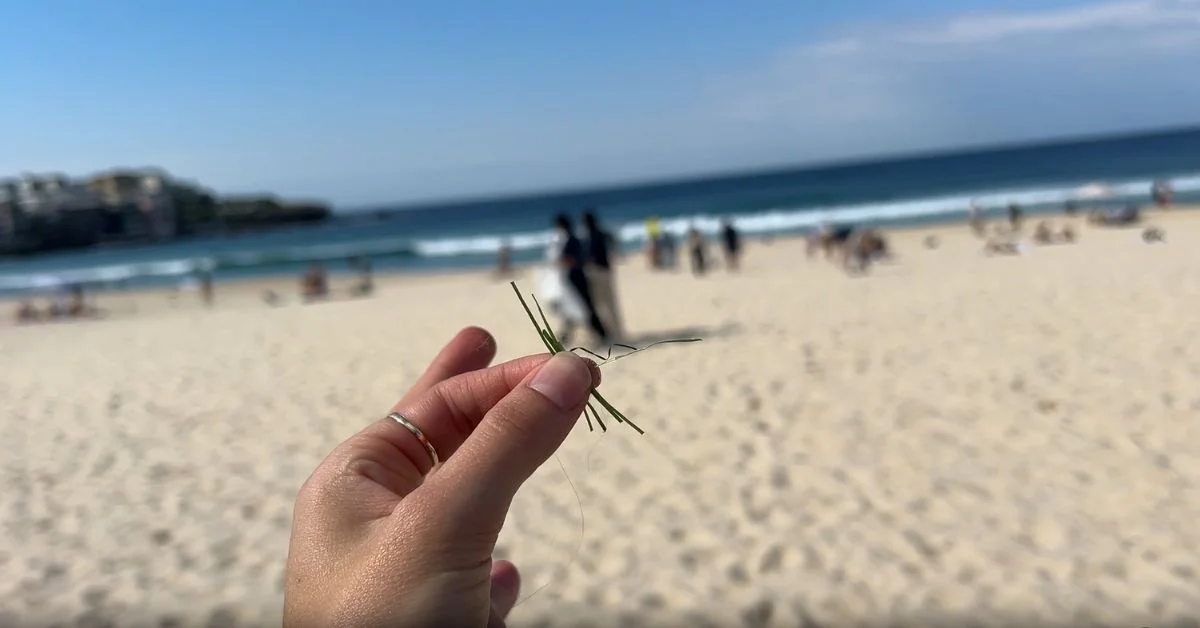
Microplastic fragments from synthetic grass surfaces are showing up with increasing frequency across Sydney’s Northern Beaches waterways, with research revealing a tenfold increase in some locations between 2022 and 2025.
The Australian Microplastic Assessment Project has been tracking synthetic grass debris across metropolitan Sydney since 2019, finding that these plastic fibres are released from sports fields, residential yards and playgrounds through everyday wear, weathering and maintenance. The fragments then enter stormwater systems and accumulate along shorelines, where they can be ingested by wildlife and act as sponges for other environmental pollutants.
Careel Bay has been included in microplastic monitoring efforts by Living Ocean, which has conducted 17 surveys on Sydney’s Northern Beaches and the Central Coast using AUSMAP protocols. The citizen science study of Careel Bay examines microplastics alongside macro plastic, seagrass and mangrove research.
Dramatic Increases Recorded Across Sydney
At Rose Bay in Sydney Harbour, synthetic grass debris has increased approximately tenfold between 2022 and 2025, reaching over 20 blades per square metre. The highest average concentration recorded was at Tower Beach in Botany Bay, where up to 2,500 blades per square metre were found in 2024, likely due to nearby synthetic grass fields and local stormwater patterns.
Manly Cove has seen synthetic grass fragment concentrations triple since the fragments were first detected in 2019, despite natural year-to-year fluctuations. Researchers consistently find synthetic grass in samples from multiple Northern Beaches locations, with concentrations notably higher in 2025 than in previous years.
How the Pollution Spreads
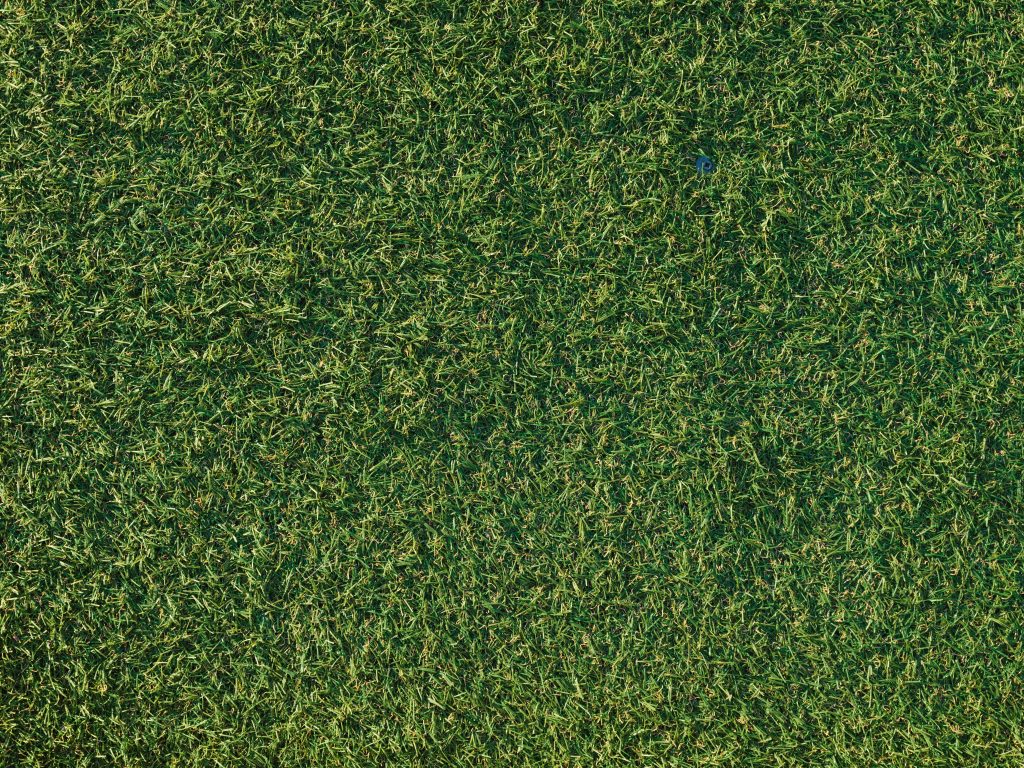
Synthetic grass microplastic fibres escape from their sources through wear, weathering and maintenance activities like mowing and cleaning. Once mobilised, the fragments travel through stormwater networks and persist in sediments and along shorelines.
Research with Northern Beaches authorities found that 80 percent of waste entering stormwater drains near synthetic sports fields was rubber crumb and microplastics from artificial turf, compared to five percent in areas without these playing fields.
The pollution appears particularly pronounced after wet or windy weather and when many games have been played on synthetic fields. These surfaces are now commonplace across Australia, appearing on community and elite sports fields, school playgrounds, party boats, residential yards and public landscaping.
Environmental and Health Concerns
Synthetic grass installations have been associated with multiple concerns beyond microplastic pollution, including surface temperatures reaching up to 75 degrees Celsius on hot days, increased player injury risk, reduced biodiversity and intensified urban heat. The rubber crumb infill made from recycled tyres has known toxic and carcinogenic properties.
AUSMAP is calling for a five-year moratorium on new planning and approvals for synthetic grass fields until further research clarifies potential human and environmental harm.
The organisation also wants enforcement of Australian standards for pollution mitigation measures on synthetic grass fields and substantial investment into improving drainage and conditions of natural grass fields to avoid synthetic alternatives.
Authorities released guidelines in May 2025 for managing potential environmental and human health risks in the design and management of synthetic turf sports sites, acknowledging known issues with microplastic pollution and heat generation while noting the need for these fields to accommodate increasing populations.
Published 9-February-2026.


