




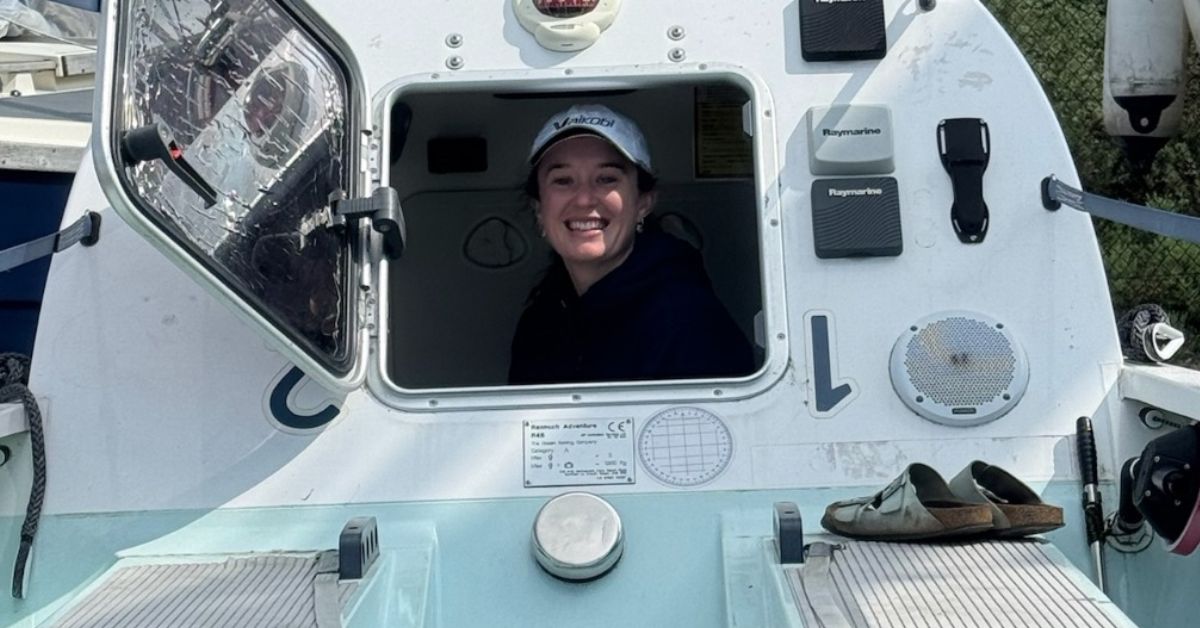
Ruby Scholten, a registered nurse and international competitive sailor from Avalon, is preparing to row 3,000 nautical miles across the Atlantic Ocean in December as part of the World’s Toughest Row, raising funds for two women’s charities while representing Australia from a boat eight and a half metres long.
Ruby, who grew up sailing on Pittwater and competing at the world level in women’s match racing, will take on the crossing alongside three fellow sailors she has raced against for years on the international circuit. The team’s boat, Mermaid, measures 8.64 metres long and 1.7 metres wide. It will be their home, their gym and their refuge for an estimated 40 to 50 days on open water.
From Pittwater to the World Stage
Ruby’s sporting life began on the water just a short distance from her front door. She learned to sail at Avalon Sailing Club on Pittwater, took her first dinghy out through the moorings solo as a teenager, and eventually progressed into the Royal Prince Alfred Yacht Club’s Youth Development Program. From there she moved into match racing on Elliott 7s, and in 2018 became part of the first all-female team to win the Hardy Cup, the World Sailing Grade 3 International Youth Match Racing event hosted by the Royal Sydney Yacht Squadron. She later completed her first Sydney to Hobart race on board Insomnia.
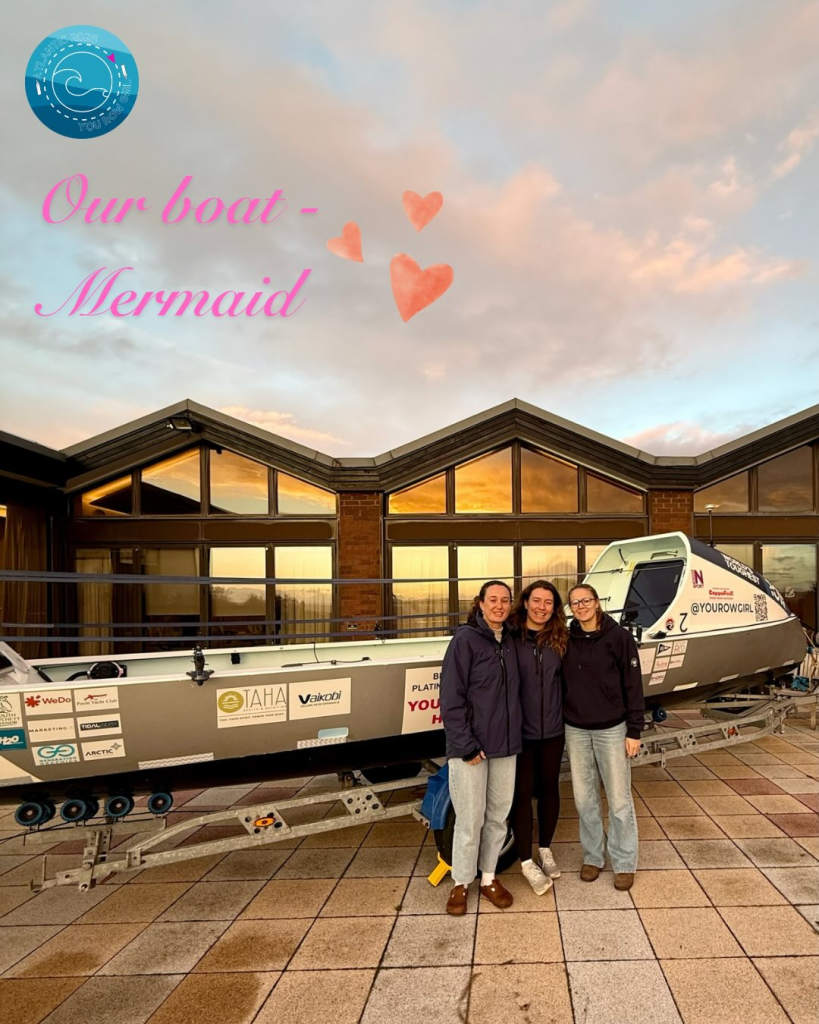
On the international circuit, Ruby has spent the better part of six years competing on the Women’s World Match Racing Tour, racing against and alongside the three women she is now about to cross an ocean with. “Over the past 6 years the 4 of us have competed mainly against each other on the Women’s World Match Racing Circuit, and now we will be racing together,” she said.
Alongside sailing, Ruby completed her nursing degree and began her career at Northern Beaches Hospital. The two threads of her life, sport and healthcare, now converge directly in this challenge.
The Crew Behind the Boat Called Mermaid
The women racing together as You Row Girl each bring something different to the boat. Hebe Hemming, from the UK, was the catalyst. She spotted an ocean rowing boat competing in the race while sailing down the coast of Africa, and the idea took hold. A boat builder working for SailGP, Hemming’s practical skills will matter significantly when 3,000 miles from the nearest shoreline.
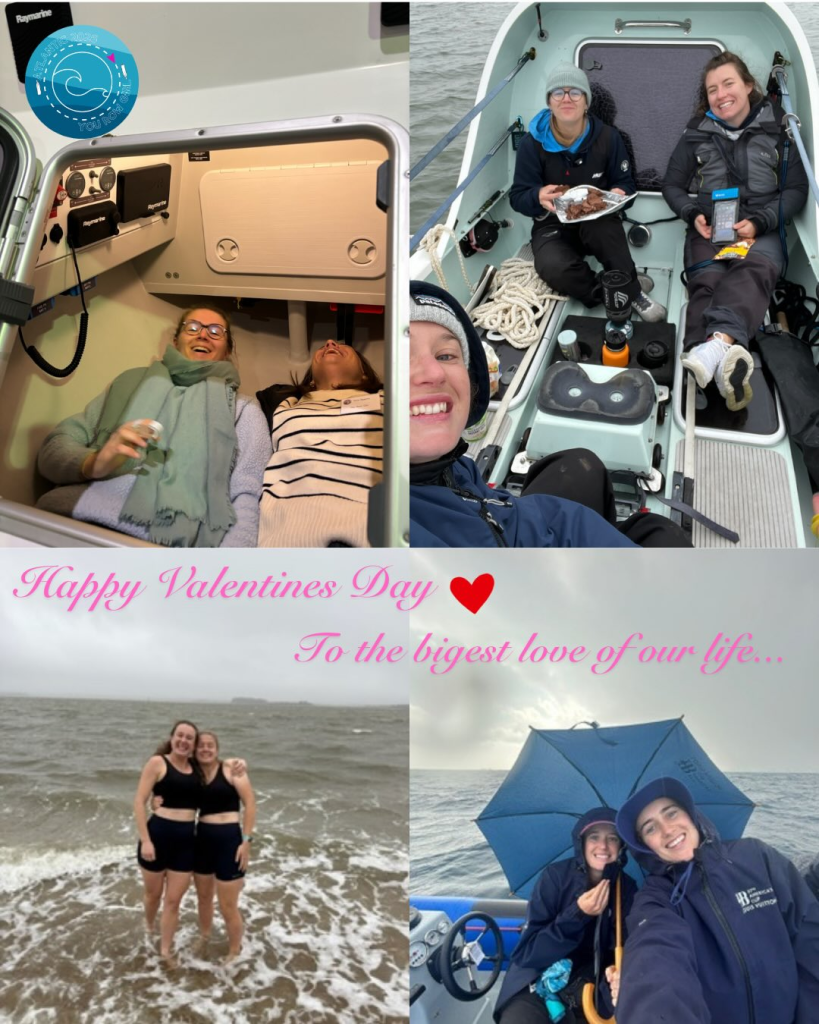
Amy Sparks, also from the UK, was on board the moment Hemming called with the idea. A financial advisor by profession, she brings the kind of methodical thinking a multi-week ocean crossing demands. Charlotte Porter, from New Zealand, is a competitive sailor and physiotherapist currently working as the global travelling physio for SailGP. Her role in managing the team’s physical resilience across weeks of confined, repetitive exertion will be critical.
The four women work full-time jobs while training. “We are just 4 very normal women, working full time jobs, while preparing to take on this adventure of a lifetime,” Ruby said.
What the Row Actually Involves
The World’s Toughest Row Atlantic race departs from San Sebastián de La Gomera in the Canary Islands and finishes at Nelson’s Dockyard, Antigua, covering 3,000 nautical miles of open Atlantic Ocean. The 2025 edition, which departed on 14 December last year, gave an indication of what Ruby’s crew will face: no support vessel, no land, no escape from bad weather or rough seas.
Teams row on a two-hours-on, two-hours-off rotation around the clock, sustaining the effort through freeze-dried food and willpower alone. Ruby and her teammates estimate completing more than 1.5 million oar strokes by the time they reach Antigua. The challenge is fully unassisted, meaning no resupply, no getting off the boat and no outside physical assistance of any kind.
Training involves long sessions on rowing machines, endurance sport, rowing-specific weight work for injury prevention, and extended on-water sessions of up to five days to simulate race conditions as closely as possible.
Rowing for Two Charities That Matter
The team is raising funds for CoppaFeel!, a UK breast cancer awareness charity focused on educating young women about early detection, and Women In Sport, a research-based charity examining the disparity between girls’ participation in sport and what that gap costs society.
“By supporting these two charities we want to create space for women to pursue their dreams, while facilitating the conversation on historically taboo topics through educating women on their body and prioritising health,” Ruby said.
The decision to take on the challenge carries a message beyond the row itself. “We want other women and girls to see that they can dream fearlessly and take on big scary adventures that may challenge the social norms,” she said. It is an extension of something she experienced through sailing on Pittwater. “Sailing has shaped me to be a more empowered, resilient and confident person,” she said. “Sport is not just a game, it can change lives.”
How to Support the Team
Donations to CoppaFeel! and Women In Sport through the You Row Girl campaign can be made via the Australian Sports Foundation at asf.org.au/campaigns/yourowgirl. The team’s progress from December can be followed at yourowgirl.com, on Instagram at @yourowgirl and on Facebook at You Row Girl.
Published 04-April-2026

















.jpg#:~:text=English:%20Thia%20image%20depicts%20the%20surfboat%20AKUBRA,members%20of%20Queenscliff%20Surf%20Life%20Saving%20Club.)