
Avalon Beach SLSC Patrol Commitment Acknowledged With National Medals

Two members from Avalon Beach SLSC have been recognised with National Medals, highlighting years of verified frontline patrol service and long-standing volunteer commitment within the local beach community.


National Recognition Details

The honours were announced as part of a national recognition round administered by Surf Life Saving Australia, which acknowledged 212 members across the country for long and sustained service involving risk to life and property. 
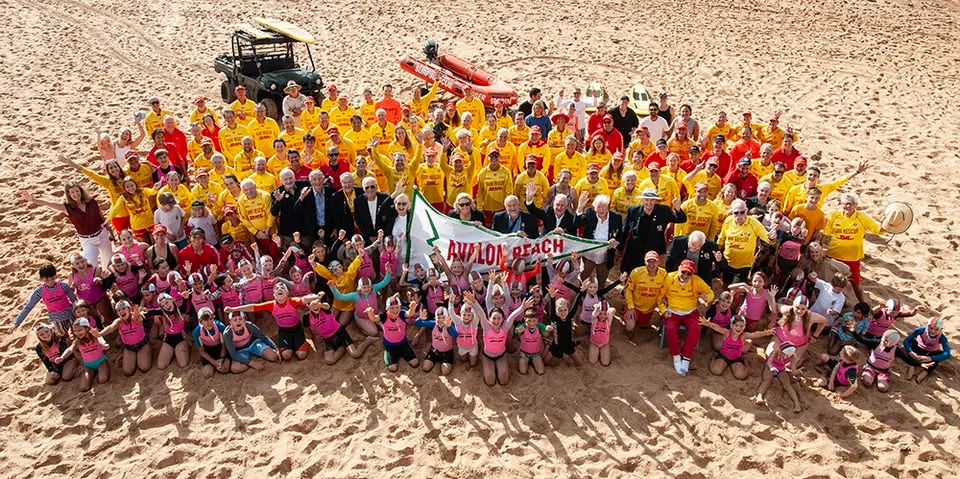
The awards form part of the Australian honours system and recognise members who meet eligibility standards set by the Commonwealth. The Avalon Beach recipients were named in the latest National Medal batch released by Surf Life Saving Australia.

Avalon Beach Recipients

Avalon Beach Surf Life Saving Club members Mark Head and Wilson Gamble were recognised for meeting national service thresholds through consistent patrol participation across many seasons. 
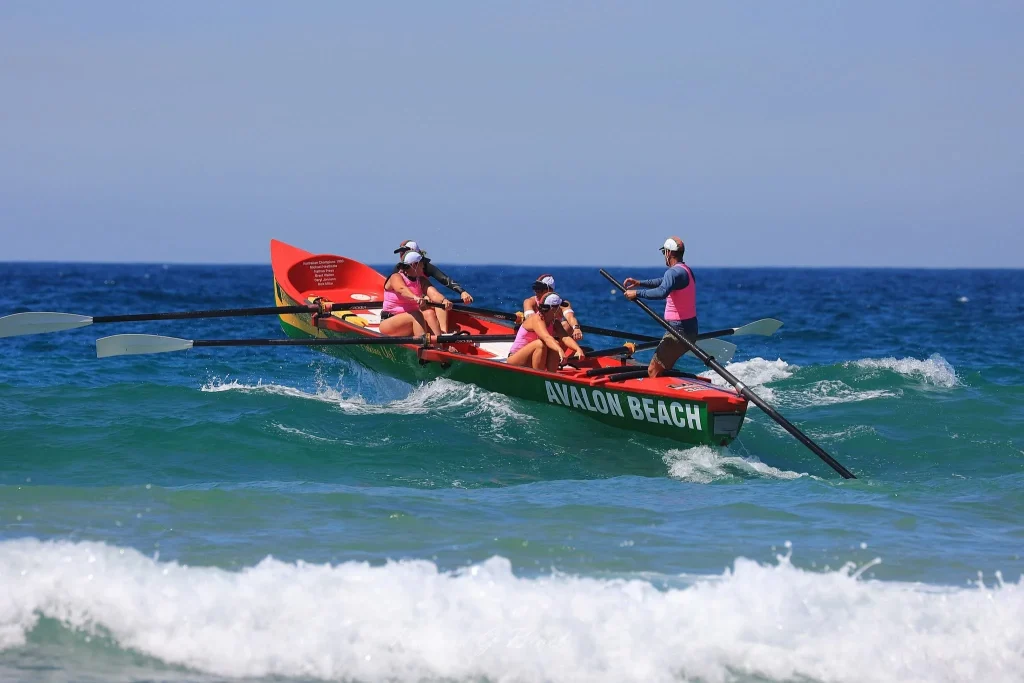
Head received a National Medal with a 1st Clasp, reflecting service beyond the initial 15-year requirement, while Gamble was awarded the National Medal for completing the minimum period of eligible patrol service. Their recognition reflects years spent patrolling Avalon Beach, maintaining annual proficiency, and completing required patrol hours each season.

How National Medal Service is Measured

Eligibility for the National Medal is governed by federal regulation rather than club or organisational discretion. Members must complete at least 30 patrol or lifeguarding hours per season across a minimum of 15 full years, measured by recognised patrol seasons running from 1 July to 30 June. Service does not need to be continuous, though only approved and proficient patrol seasons are counted. 
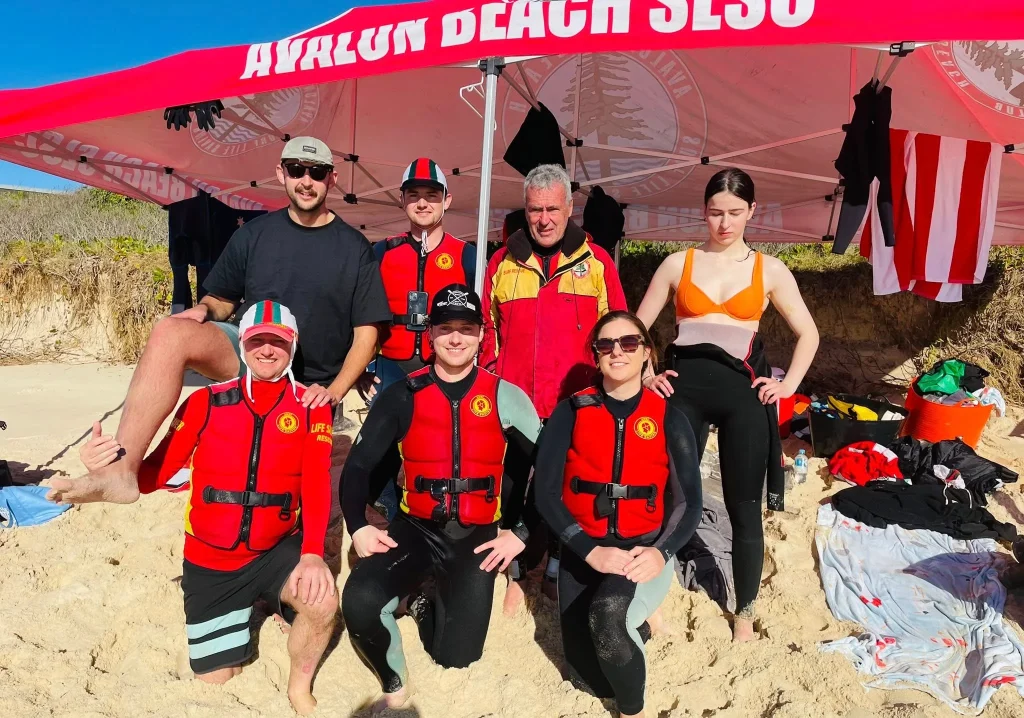
Junior activities, cadet service, and approved leave periods do not contribute toward eligibility. Additional clasps are awarded for each further 10 years of verified service, with full service records reassessed at each stage.

Community Impact at Avalon Beach

Avalon Beach SLSC has a long history of volunteer patrol work, training, and community safety dating back to its formation in 1925. The club continues to support beachgoers through regular patrols, rescue response, and water safety education. 


National Medal recognition places local members among a limited number nationwide who have met long-term operational service requirements. For the Avalon community, the awards reflect the steady commitment required to keep the beach safe season after season.

Published 29-December-2025

Avalon Lifesaver in ‘Freak’ Surf Accident Becomes Advocate for Beach Safety Campaign

Mark Head, a seasoned Avalon lifesaver with the Avalon Surf Life Saving Club, has become a prominent advocate for the latest summer beach safety campaign in the Northern Beaches.


In September 2023, Mr Head, a veteran with 39 years of experience as a lifesaver, was struck by a rescue board during a training exercise at Avalon Beach. The board caught the lip of a wave, flipped backward, and struck him in the forehead, leading to a life-altering spinal cord injury.

Mr Head’s life took an unexpected turn when he was discovered underwater after eight minutes and required nearly 90 minutes of CPR to be revived.  It was, by all accounts, a “freak accident” but it left the Avalon lifesaver paralysed due to severe spinal cord injuries.

Advocating for Safety

Despite his experience, Mr Head has chosen to advocate for beach safety as part of the Northern Beaches Council’s campaign. He has observed that even children, unfamiliar with the potential dangers of the ocean, often run into the surf without fully comprehending the risks. His message resonates, particularly on days when the ocean appears calm but can still pose hidden dangers.

At the campaign launch, Mr Head emphasised the need for greater awareness among beachgoers, particularly parents and children, about the potential hazards of the ocean. In the previous year, six people tragically drowned in the unpatrolled beaches. 

The statistics revealed that approximately 10.8 million people visited the region’s 24 beaches, with 1,427 rescues performed. Additionally, council lifeguards and volunteer lifesavers conducted 425,000 “preventative actions,” such as guiding swimmers to stay within flagged areas, avoiding rip currents, and cautioning board riders to steer clear of the flags.

Avalon Beach
Photo Credit: Google Maps

Clinton Rose, Beach Safety Manager at Northern Beaches Council, stressed that the campaign’s ultimate goal is to eliminate drownings on local beaches during the summer season. The council has allocated resources and personnel to ensure beach safety, but community cooperation is essential. The educational program aims to equip individuals with the knowledge to navigate rip currents, swim within designated areas, avoid swimming alone, and provide safety guidelines in case of emergencies.

The Responsibility of All Beachgoers

Tracey Hare-Boyd, CEO of Surf Life Saving Sydney Northern Beaches, acknowledged the region’s commendable track record of no lives lost between the red and yellow flags. However, she emphasised that drownings can occur on unpatrolled beaches or when lifesavers are off-duty, especially in the warm evenings. 


As the summer season approaches, Northern Beaches Council’s beach safety campaign provides invaluable guidance. The top four beach safety tips include swimming at patrolled beaches between the flags, reading safety signs for crucial information, always swimming with a companion for mutual safety, and remaining calm while seeking help in the water by raising one arm to attract attention.

Published 8-Jan-2024