Synthetic Grass Microplastics Increasingly Found in Northern Beaches Waterways Including Avalon and Careel Bay

Microplastic fragments from synthetic grass surfaces are showing up with increasing frequency across Sydney’s Northern Beaches waterways, with research revealing a tenfold increase in some locations between 2022 and 2025.


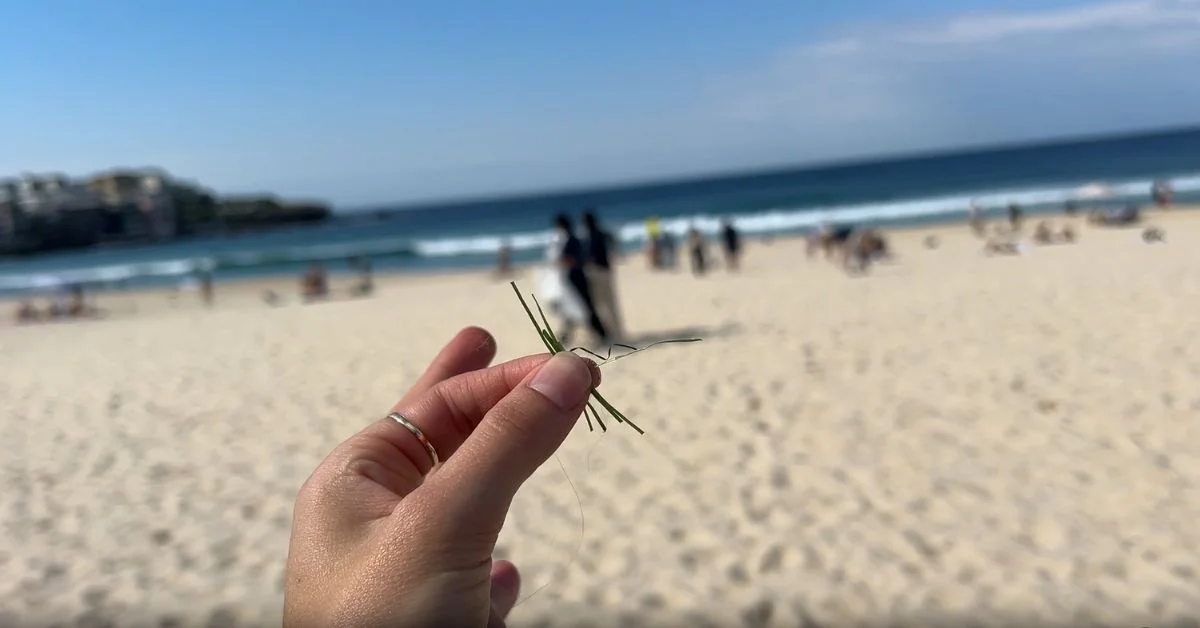
The Australian Microplastic Assessment Project has been tracking synthetic grass debris across metropolitan Sydney since 2019, finding that these plastic fibres are released from sports fields, residential yards and playgrounds through everyday wear, weathering and maintenance. The fragments then enter stormwater systems and accumulate along shorelines, where they can be ingested by wildlife and act as sponges for other environmental pollutants.

Careel Bay has been included in microplastic monitoring efforts by Living Ocean, which has conducted 17 surveys on Sydney’s Northern Beaches and the Central Coast using AUSMAP protocols. The citizen science study of Careel Bay examines microplastics alongside macro plastic, seagrass and mangrove research.

Dramatic Increases Recorded Across Sydney

At Rose Bay in Sydney Harbour, synthetic grass debris has increased approximately tenfold between 2022 and 2025, reaching over 20 blades per square metre. The highest average concentration recorded was at Tower Beach in Botany Bay, where up to 2,500 blades per square metre were found in 2024, likely due to nearby synthetic grass fields and local stormwater patterns.

Manly Cove has seen synthetic grass fragment concentrations triple since the fragments were first detected in 2019, despite natural year-to-year fluctuations. Researchers consistently find synthetic grass in samples from multiple Northern Beaches locations, with concentrations notably higher in 2025 than in previous years.
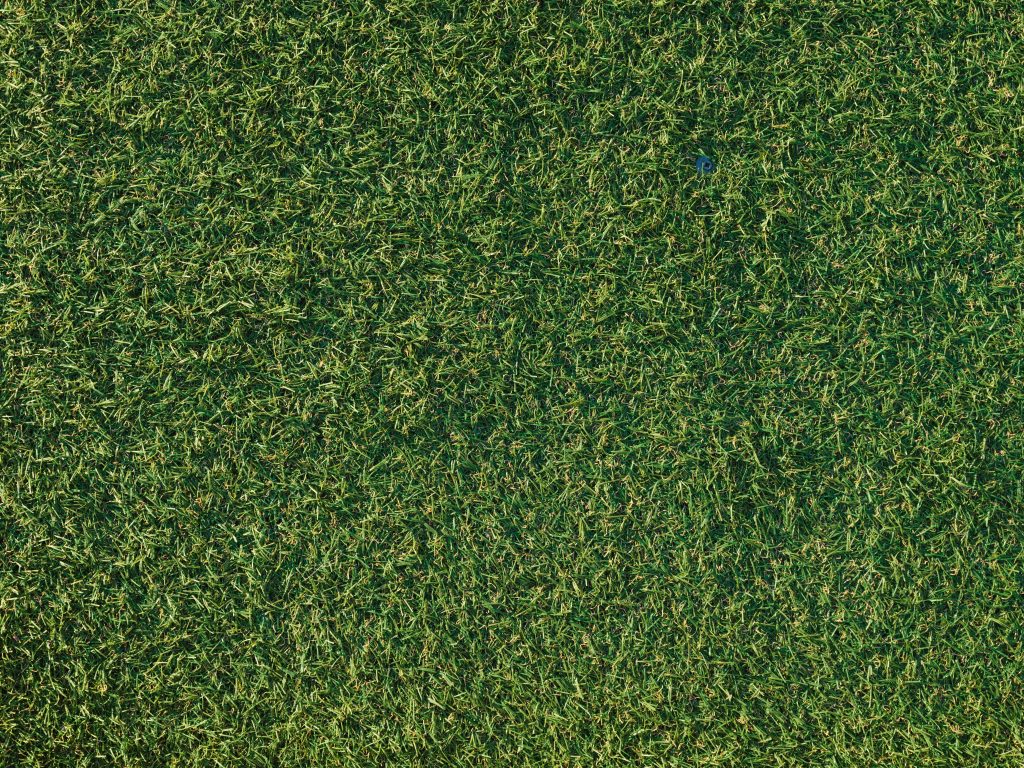
Photo Credit: Pexels

How the Pollution Spreads

Synthetic grass microplastic fibres escape from their sources through wear, weathering and maintenance activities like mowing and cleaning. Once mobilised, the fragments travel through stormwater networks and persist in sediments and along shorelines.

Research with Northern Beaches authorities found that 80 percent of waste entering stormwater drains near synthetic sports fields was rubber crumb and microplastics from artificial turf, compared to five percent in areas without these playing fields.

The pollution appears particularly pronounced after wet or windy weather and when many games have been played on synthetic fields. These surfaces are now commonplace across Australia, appearing on community and elite sports fields, school playgrounds, party boats, residential yards and public landscaping.

Environmental and Health Concerns

Synthetic grass installations have been associated with multiple concerns beyond microplastic pollution, including surface temperatures reaching up to 75 degrees Celsius on hot days, increased player injury risk, reduced biodiversity and intensified urban heat. The rubber crumb infill made from recycled tyres has known toxic and carcinogenic properties.

AUSMAP is calling for a five-year moratorium on new planning and approvals for synthetic grass fields until further research clarifies potential human and environmental harm.

The organisation also wants enforcement of Australian standards for pollution mitigation measures on synthetic grass fields and substantial investment into improving drainage and conditions of natural grass fields to avoid synthetic alternatives.

Authorities released guidelines in May 2025 for managing potential environmental and human health risks in the design and management of synthetic turf sports sites, acknowledging known issues with microplastic pollution and heat generation while noting the need for these fields to accommodate increasing populations.


Published 9-February-2026.

Careel Bay Takes Centre Stage in National Bird Count

Avalon’s coastal bushland and tidal flats are more than a backdrop for weekend walks. They are a living stage for some of Australia’s rarest and most recognisable birds. This month, the suburb will once again find itself at the centre of a nationwide effort as locals join the Aussie Bird Count, recording the feathered life of backyards, headlands, and the sheltered waters of Careel Bay.


Bird Week Brings Community Together

The Aussie Bird Count, run by BirdLife Australia, is one of the largest citizen science events in the country. From 20 to 26 October 2025, Australians are encouraged to stop for just 20 minutes, anywhere they choose, and count the birds they see. Using the free app or website, participants contribute sightings that form part of an ongoing database used by scientists to track trends in bird populations.

For Avalon, participation is more than symbolic. The suburb’s wetlands and nearby bushland provide food and shelter for species of local and international importance. 

At Careel Bay, shorebirds such as the critically endangered Eastern Curlew and migratory Bar-tailed Godwit can be seen during spring as they travel from breeding grounds in the Northern Hemisphere. Each recorded sighting adds vital data to help monitor whether these long-distance travellers are surviving their journeys and holding onto their habitats.

Everyday Birds, Critical Information

While Avalon is home to threatened species, the Bird Count does not just focus on the rare. Familiar locals such as the Rainbow Lorikeet, Noisy Miner, and Willie Wagtail are just as important to log. Shifts in their numbers can reveal much about the pressures of urbanisation, land clearing, and climate change.

BirdLife Australia notes that even a single observation contributes to science. When thousands of Australians join in, the collective data helps map population shifts across suburbs, towns, and entire states. This information informs conservation planning and guides councils on how to protect the natural spaces that communities rely on.

Avalon’s Link to Bird History

Avalon’s role in Australia’s birdwatching culture stretches back more than a century. Neville William Cayley, remembered as Australia’s first popular field guide author, made his home here. His 1931 book, What Bird is That?, offered full-colour illustrations and descriptions that opened the world of birdwatching to ordinary people.

Neville Cayley
Photo Credit: Public Domain

Cayley lived at “Ideal View,” a house on Marine Parade in Avalon, where he painted and wrote about the very species still common in the suburb today. His work bridged science and art, and laid the groundwork for a culture of everyday Australians participating in bird observation. The 2025 Aussie Bird Count continues that legacy, translating Cayley’s passion into a digital age where sightings from Avalon can be logged instantly via smartphone.

Why Avalon Matters in 2025

Conservation groups highlight Careel Bay as a key site on the Northern Beaches where community involvement has direct value. Tidal wetlands here provide feeding grounds for shorebirds that face global declines. Recording their presence, even in small numbers, helps track whether conservation measures are effective.

In recent years, residents and council initiatives have worked to maintain these habitats. Nesting platforms have been installed for Ospreys, while bushcare groups restore vegetation along foreshore areas. The Bird Count provides everyday residents with an opportunity to participate in this ongoing effort, whether by walking along the bay at low tide or observing the calls of lorikeets in street trees.

Getting Involved from Avalon

Joining the Aussie Bird Count is straightforward. Locals can register online at the official site or download the app via Apple or Google Play. Participants select a spot — whether in a backyard, at the beach, or along the Careel Bay foreshore — and spend 20 minutes observing. The app provides identification tools, making it easier for beginners to recognise common birds.


For Avalon residents, the Bird Count is not just about numbers. It’s a way to connect with local heritage, contribute to conservation, and deepen awareness of the living environment that defines the community. Every lorikeet, curlew, or magpie recorded becomes part of a much larger picture of Australia’s birdlife.

Published 2-Oct-2025

Locals Call for More Enforcement in Dog-Prohibited Areas on Careel Bay After Pelican’s Death

Northern Beaches residents, concerned about the protected birds in Careel Bay, are calling for increased enforcement in the area following a dog attack that killed a juvenile pelican.


Careel Bay is a bird sanctuary for over a hundred local and migratory bird species, including the endangered Bush Stone-Curlew, the Mangrove Gerygone, Eastern Curlew, Whimbrel, and Bar-tailed Godwit. In Careel Bay, there is also an off-leash facility where dogs can run around, play and get their needed exercise.

So that both birds and dogs can co-exist, the Northern Beaches Council has placed signs all over Careel Bay directing owners to keep their pets on leads if they are not on Etival St, the unleashed dog exercise area. Violators could be fined $330 or more. 

Photo Credit: Google Maps

However, in early June 2022, a local who was walking his dogs spotted an injured young pelican near the off-leash site. It was determined that the bird was the victim of a dog attack due to some telltale paw prints on the ground. 

Advocate and Northern Beaches WIRES Area Coordinator Lyn Millett OAM said that whilst most dog owners are responsible, some people still forget to contain their dogs, especially around the sand flat. Ms Millett has witnessed instances where they needed to tell off the owners to control their pets. 

Ms Millett believes that more policing of the area should be in place, especially during the weekends when pet owners bring their furry pals to the sand flat. Council, however, has assured the public that the rangers are “proactively monitoring” Careel Bay for unrestrained dog activity. 


To learn more about responsible pet ownership, including dog registrations and microchipping, visit the Council’s official site. Call Council at 1300 434 434 to report a dog attack. 

Beloved Dog Dies Due to Illegal Baiting Activity in Careel Bay

The recent death of a dog due to illegal dog baiting activity in Hitchcock Park, near the Careel Bay playing fields, has sparked heightened security checks and sparked calls for the installation of CCTV cameras in the area.


It was a rainy Sunday afternoon on the 6th of February 2022. Stacey and her husband had to stay indoors with their dogs, Malu and Hector, but a brief break in the weather gave them the opportunity to take their pets to Careel Bay sports field and the nearby Hitchcock dog park for a 30-minute walk.

Malu was let off the leash and explored the park unsupervised for about five minutes. It was presumed that during that time Malu ingested the substance but she would not exhibit signs of poisoning until the day after.

“Our beautiful, gentle, wise and calm companion Malu died on Monday 7th of February after ingesting a poison last Sunday evening the 6th of February at Careel Bay fields and dog park. Understand clearly there was no other place she went that whole week, no one she met and she was an inside dog. It was poor weather on Sunday so she and her dog brother were inside our home and did not go out without supervision,” Stacey said.

Photo Credit: Stacey Demarco / Facebook

Their beloved companion was rushed to the local veterinarian but then had to be taken to the Northside Emergency Vet Service. Sadly, Malu succumbed to an anticoagulant, a common ingredient used in rodenticides.

“Malu fought hard. So hard. She had a team of incredible vets from two practices working on her but she succumbed to the poison which according to blood work was an anti-coagulant commonly found in rat poison.

“She was murdered. It wasn’t a kind death. From what I now know, other dogs have also fallen victim. This has to stop.

“To say my husband and I are devastated to lose her doesn’t scratch the surface of what we are currently experiencing, and as Malu was beloved by so many in our community, there has been an outpouring of support and grief from all who knew her from vets, trainers, walkers and dog people of all kinds. One person yesterday I know said to me that they ‘were not really a dog person, but I’m a ‘Malu person’.”

Photo Credit: Stacey Demarco / Facebook

Stacey had the incident reported to Northern Beaches Council who confirmed that it was not undertaking any fox baiting in the area but has proactively carried out patrol checks in the Careel Bay area to deter future illegal baiting activities. So far, no evidence of baiting has been found.


Northern Beaches Police has also been notified and said that it is “a difficult crime to solve” because of the lack of lighting at the fields and perpetrators would often come at night and take advantage of the darkness to accomplish their illegal activities. 

“They agreed though better lighting and CCTV would be useful. They were aware of baitings over the last few years but not these new ones at Careel.”

Anticoagulant rodenticides prevent blood from clotting resulting in internal bleeding, however, it can take days for its toxic effects to manifest. Signs of bait poisoning include loss of appetite, blood in the stool, bleeding gums, blood in the urine, seizures, difficulty in breathing, weakness, and even sudden death.
Call your vet or the Animal Poisons Centre on 1300 869 738 immediately if you suspect that your dog has eaten rat poison.