Avalon Public School is marking 75 years in Avalon Beach, with its Diamond Jubilee carrying the school’s story from its first pupils and early classrooms through to alumni memories and present-day celebrations.
The anniversary year will continue with an Open Day on Thursday, 17 September 2026, followed by the Avalon Public School fete on Sunday, 20 September 2026.
The fete will run from 10am to 3pm at Avalon Public School, 11 Old Barrenjoey Road, and will be open to past students, current families, local residents, friends of the school and visitors.
The event will include rides, laser tag, sideshow alley, a petting zoo, live music, a silent disco, an art auction, tombolas, games, food trucks, a community barbecue, market stalls, craft stalls and a photo booth.
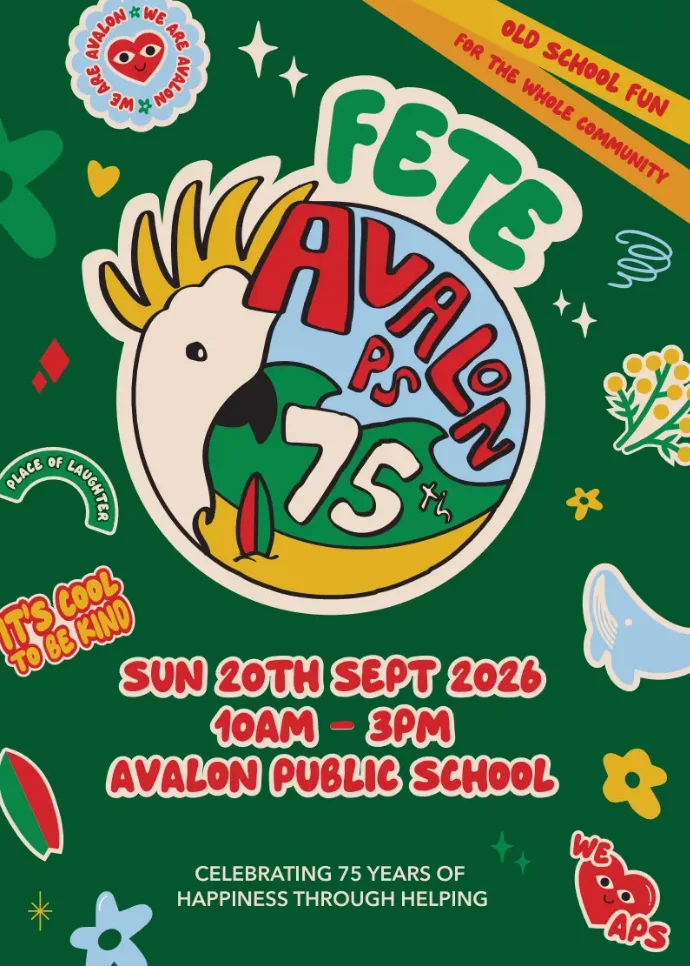
Local sponsors and partners have also been announced, with the P&C inviting people to contribute memories, ideas, volunteer time, sponsorship and other support.
These events form part of a broader anniversary program that brings together generations of the Avalon community, linking present-day celebrations with the school’s long history.
From Newport Pupils to a New Avalon School
Avalon Public School was established on 26 May 1951, but its beginnings reach back to the year before.
In August 1950, 66 pupils who had been travelling to Newport Public School from areas north of Newport became the first pupils of the new Avalon school.
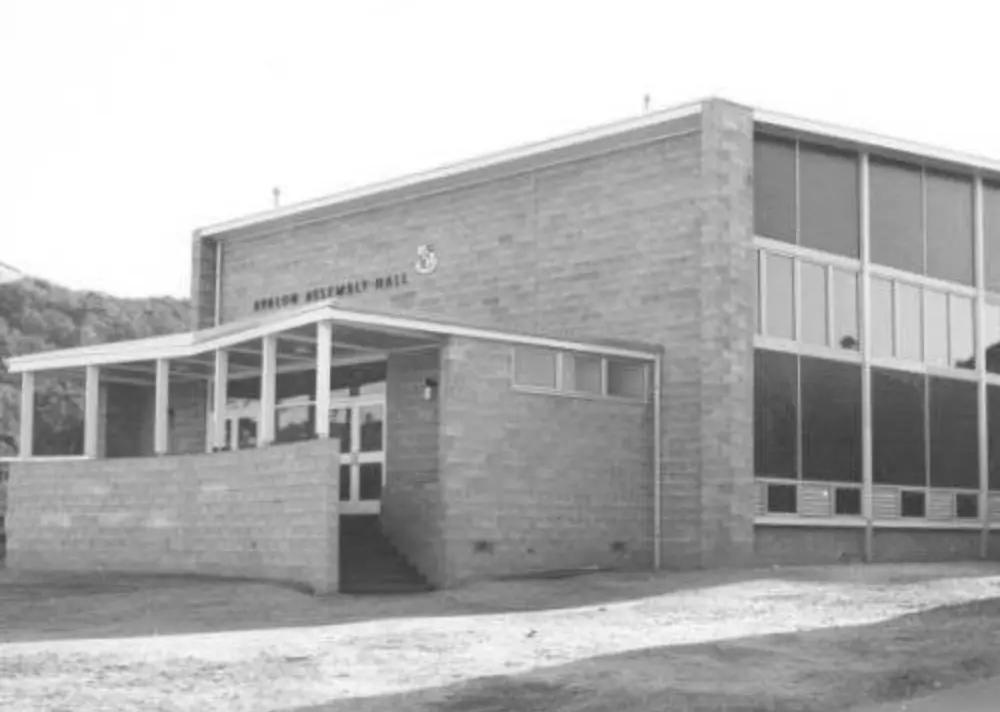
By late 1950, the first school building was in place. Doss McGuire, the headmaster’s wife, taught Kindergarten to Year 3 in one half of the building, with teacher Bonnie Kissen also part of the school’s early story.
The school’s first attendance book recorded some of the children who moved from Newport Public School to Avalon, marking the start of a local school community that would continue to grow through the decades.
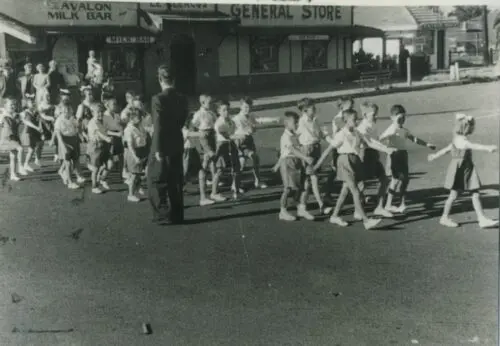
Photo Credit: Avalon Public School/Photo and information from the Avalon Beach Historical Society written by Geoff Searl
Early Days on Old Barrenjoey Road
The school’s official opening followed on 26 May 1951, when pupils walked south along Old Barrenjoey Road through the shopping centre towards the school.
At that time, the route passed parts of Avalon that have since changed, including the former Avalon Milk Bar and General Store site near Avalon Parade.
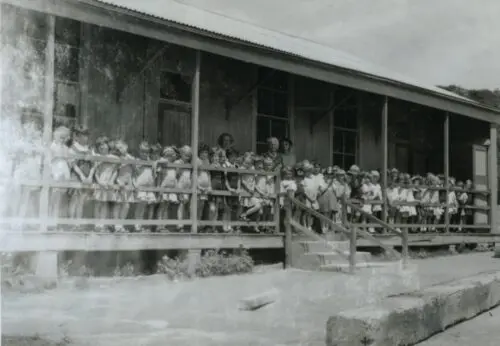
Photo Credit: Avalon Public School/Photo and information from the Avalon Beach Historical Society written by Geoff Searl
The first years were shaped by simple buildings, wet weather challenges and steady growth. Heavy rain had delayed the assembly of the first demountable in 1949, before the school’s first classrooms became part of daily life for local children.
By around 1952, the first two school buildings were established, along with a flagpole gifted by A.J. Small. The school grounds also included the beginnings of an open-air theatre and an activity room used by performers.
Traditions That Carried Forward
The school’s early life was not only about classrooms. By the mid-1950s, school events were already becoming part of Avalon Public School’s identity.
In 1956, school captain Jim Small lit a flame during the school’s own version of the Olympic Games, adding another moment to the school’s growing record of assemblies, performances and shared activities.
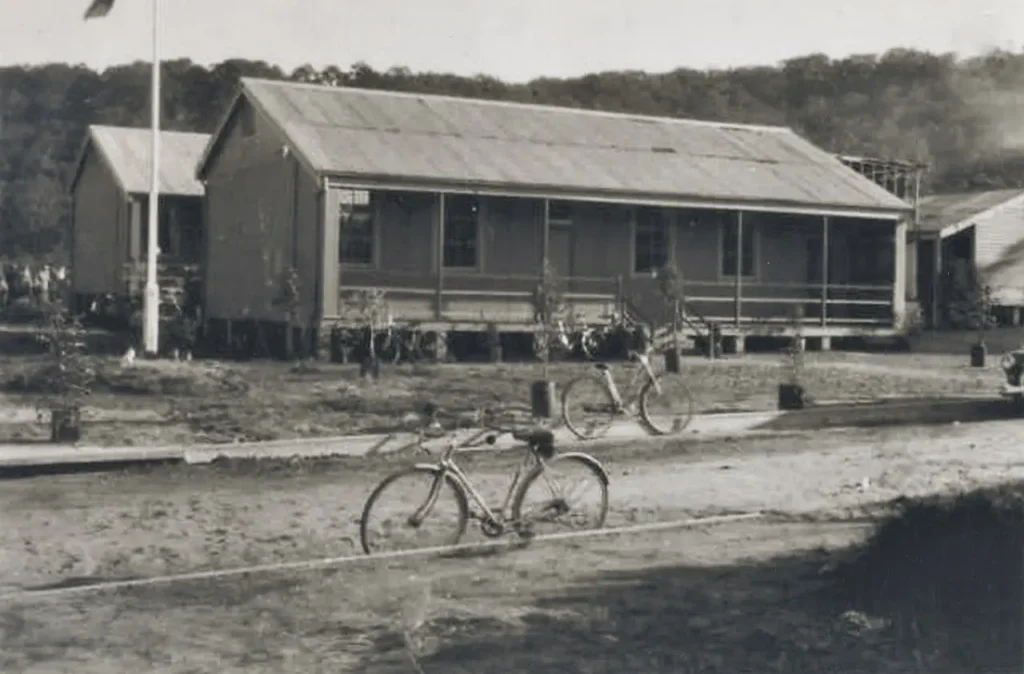
Photo Credit: Avalon Public School/Photo and information from the Avalon Beach Historical Society written by Geoff Searl
Those traditions have continued into the anniversary year, with current students working on poems for a special 75th anniversary edition of We Sing a Song, a school tradition that was also recreated for the 50th anniversary.
A K–6 assembly has also marked the milestone, featuring teacher performances, a combined choir performance and school captains as comperes.
Alumni Memories Return to Avalon Public School
The anniversary has invited past students and families to share memorabilia, photographs, stories and keepsakes, adding personal memories to the school’s formal records.
Former students are also being featured as part of the celebrations, including Katja Davis-Raiss, Class of 2003, founder of Katapult Performing Arts. Her alumni feature connects her time at Avalon Public School with dance, leadership, friendships and memories of a Year 6 musical.
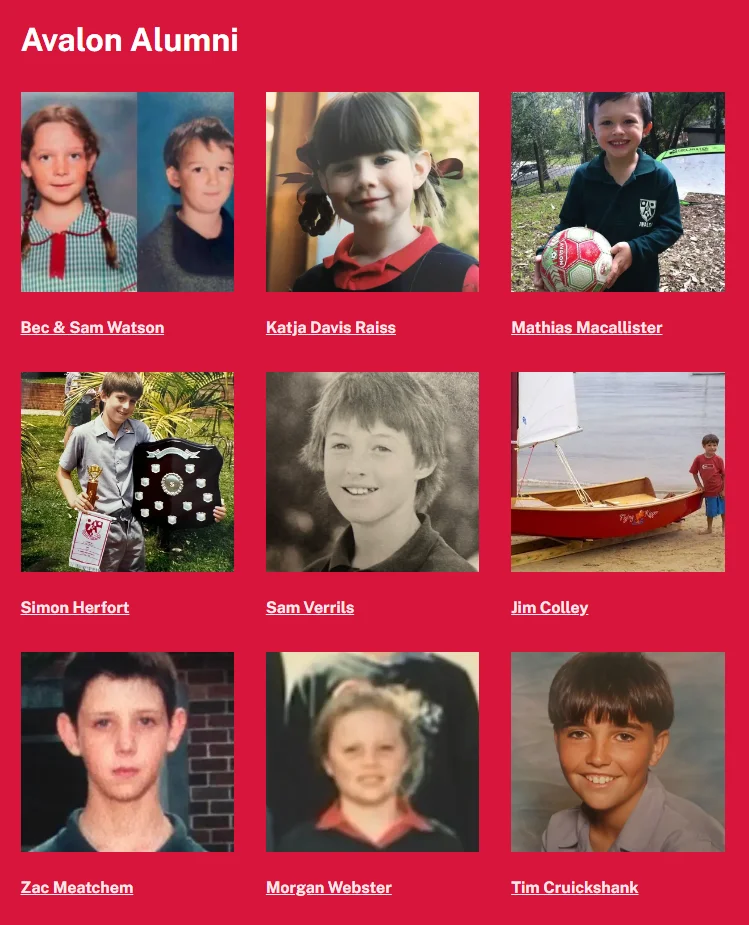
Other alumni listed as part of the anniversary material include Bec and Sam Watson, Mathias Macallister, Simon Herfort, Sam Verrils, Jim Colley, Zac Meatchem, Morgan Webster and Tim Cruickshank.
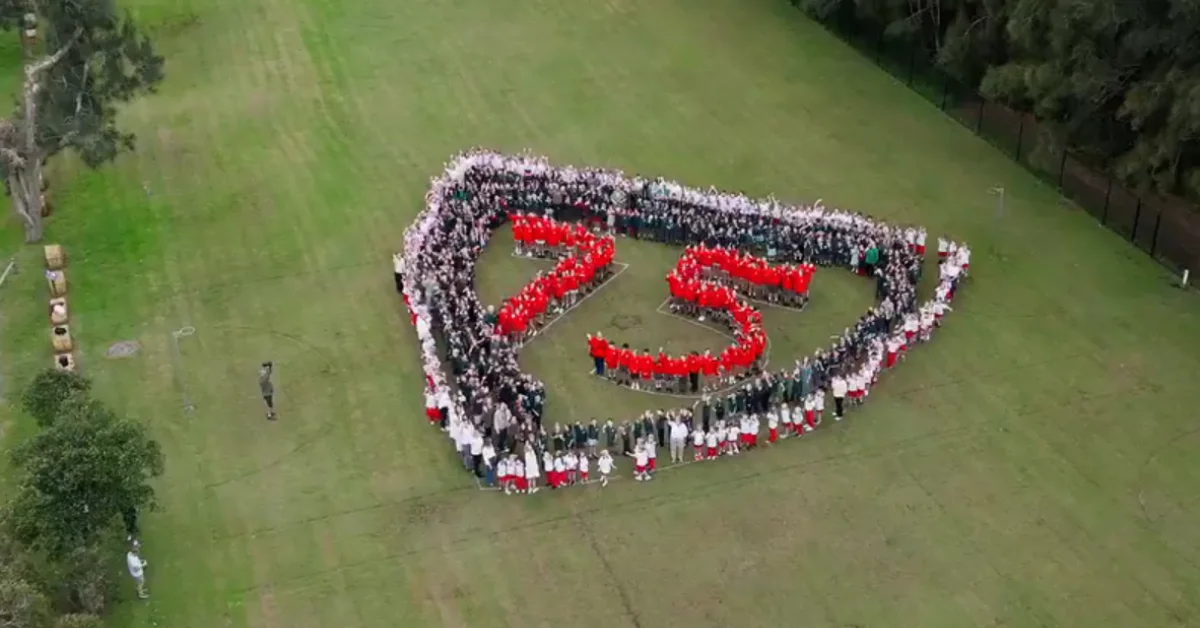
Students, staff and P&C members have also formed the school crest and the number 75 as part of the anniversary program. The moment was captured in a timelapse video by Tim Seaton, a former Avalon student.
From its first pupils and early buildings to its alumni memories and September events, Avalon Public School’s 75th anniversary places the school’s history at the centre of a year of celebration in Avalon Beach.
Published 25-June-2026