




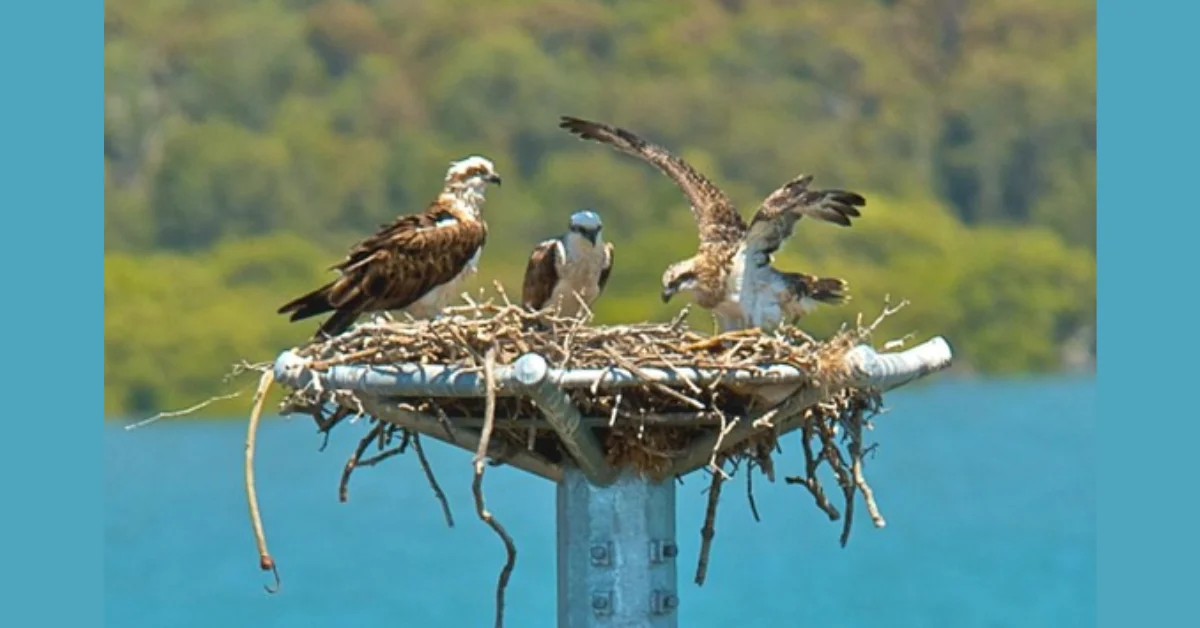
A 23-metre nesting platform has been installed at Hitchcock Park in Avalon to provide a safe habitat for Eastern Ospreys.
Background
On 1 September 2025, a 23-metre pole topped with a nesting basket was installed at Hitchcock Park in Avalon. The project aims to support the threatened Eastern Osprey, a bird of prey that prefers elevated sites near waterways to build large stick nests.
In recent years, ospreys on the Northern Beaches have been found nesting in unsuitable man-made structures, such as sports field lighting and cranes. One pair even established a nest on a construction crane in Pittwater in 2024, creating safety risks for both the birds and workers.

Purpose of the Project
The new platform provides a safe alternative that replicates natural nesting habitats, which have declined due to urban development. Similar artificial nesting towers have been successfully used in northern New South Wales, South-east Queensland and South Australia.
The Avalon installation is among the first of its kind in Sydney and is expected to help breeding pairs raise their young in a secure environment above the tree canopy and close to local fishing grounds.
Community Involvement
From May to June 2025, consultation was held with residents, with 164 people sharing their views. Feedback was overwhelmingly supportive of the project. The platform was placed in a cleared area behind the Careel Bay sportsfields to minimise disruption to regular park use.
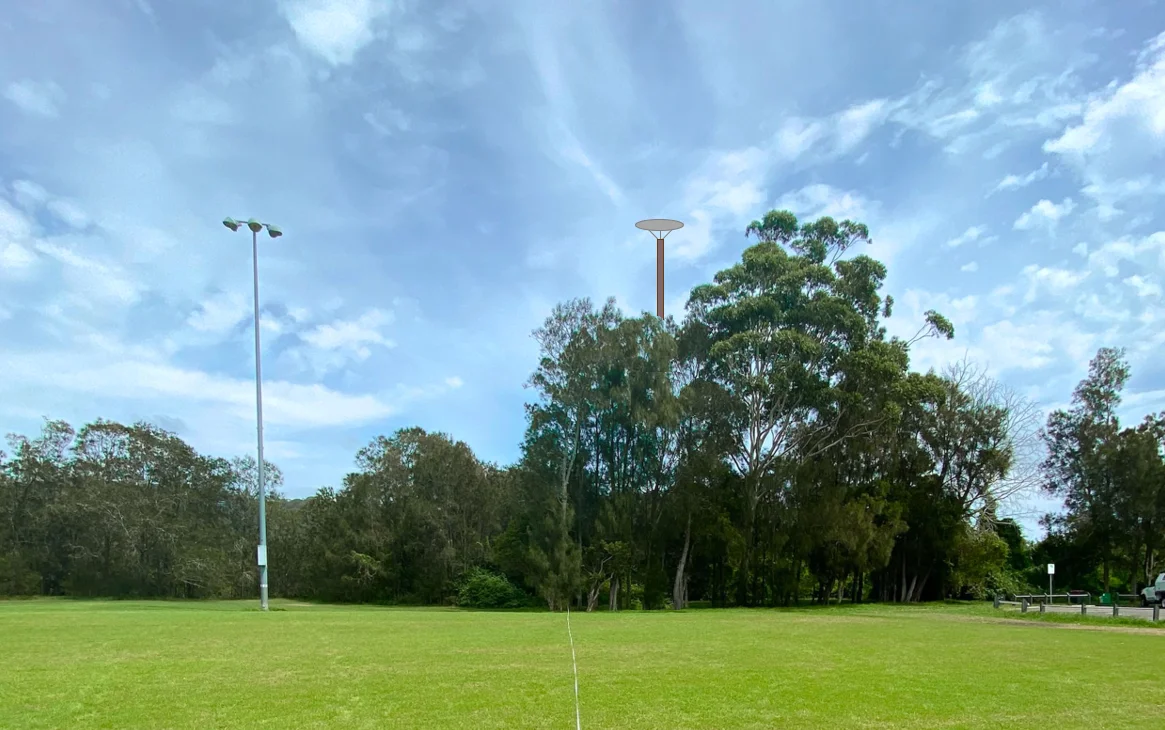
Project Delivery
The nesting platform was funded with the support of the NSW Department of Climate Change, Energy, the Environment and Water, along with Council. Installation works were carried out from 7:00 a.m. to 5:00 p.m., Monday to Friday, with temporary fencing in place for safety.
The project followed an environmental assessment under the Environmental Planning and Assessment Act 1979. Once the installation was complete, an osprey was observed inspecting the new structure.
Next Steps
The platform will now be monitored to determine if it is taken up by a breeding pair. If successful, it could serve as a model for further installations across Sydney to assist in the long-term protection of the species.
Published 9-Sep-2025


