




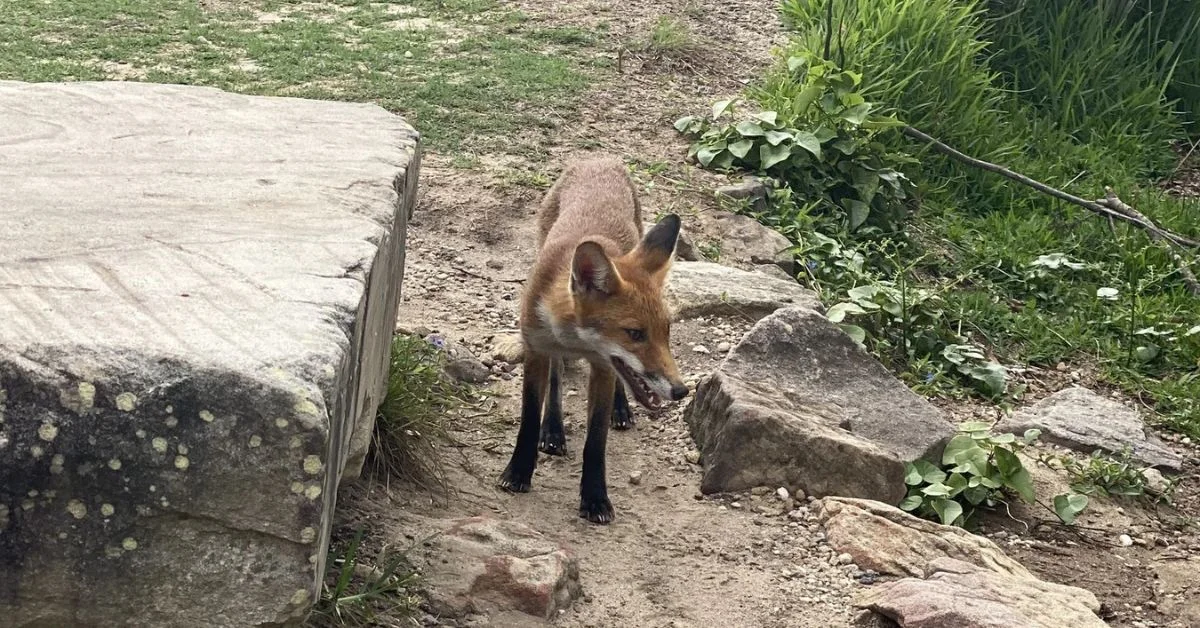
A fox sighting at Avalon Beach during daylight hours this week has alarmed locals and wildlife advocates, raising fresh concern for the native species that make the Northern Beaches one of the most ecologically significant stretches of coastline in metropolitan Sydney.
A resident photographed the European red fox roaming the beachfront reserve in the middle of the day, a marked departure from the nocturnal behaviour foxes typically display. The images spread quickly through the community and divided Avalon locals between those who felt sympathy for the animal and those alarmed at what its brazen daytime appearance signals for the native wildlife living along the coast and in surrounding bushland. For ecologists and wildlife advocates who have spent years working to protect bandicoots, wallabies, possums and Sydney’s only mainland Little Penguin colony, the fox sighting came as no surprise and no comfort.
What a Daytime Fox Sighting Actually Signals
Foxes are primarily nocturnal hunters, but experts at the Invasive Species Council note that daytime fox sightings are becoming less unusual as the animals grow increasingly confident in urban and coastal environments. The shift happens when a fox reads the area as safe enough for daytime movement, or when a vixen is feeding cubs and must forage more frequently than darkness alone allows. Foxes are highly adaptable animals that adjust their behaviour based on opportunity and perceived risk, and when risk reads low and food is available, the boundary between day and night disappears quickly.
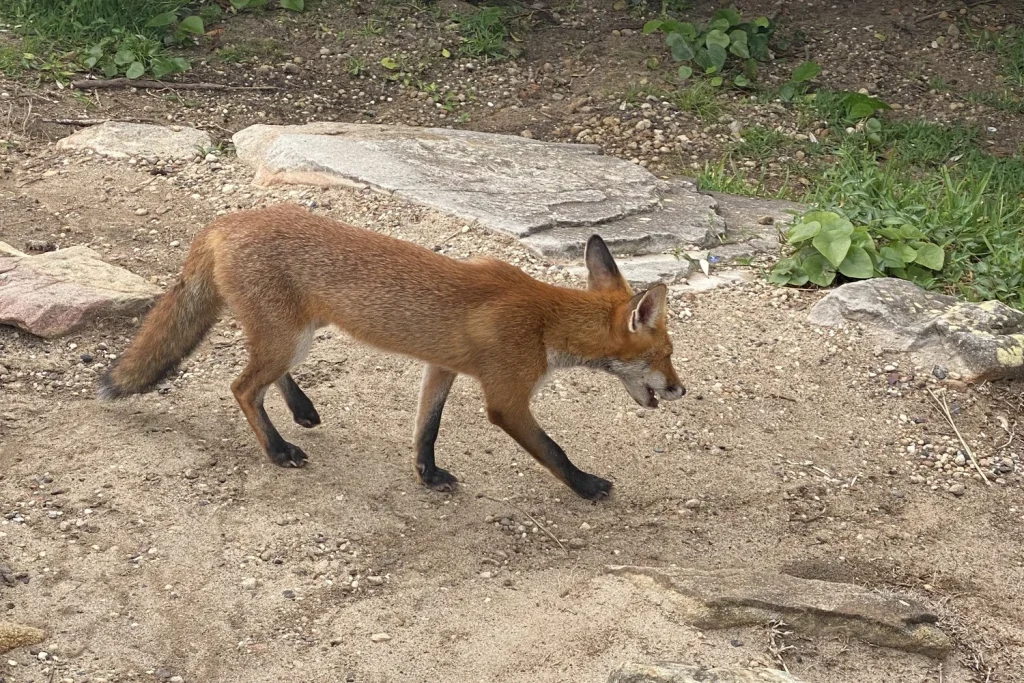
That adaptability is precisely what makes the fox such a damaging presence in the Australian environment. Native animals never evolved alongside European red foxes and carry no instinctive strategies for avoiding them. The fox, meanwhile, is an intelligent and efficient hunter that typically kills well beyond what it needs to eat, particularly when it encounters animals that offer no learned defences.
The native animals most at risk from fox predation on the Northern Beaches include swamp wallabies, ringtail possums, long-nosed bandicoots, southern brown bandicoots, ground-nesting birds and, critically, Little Penguins. The Avalon area sits within one of the last strongholds for long-nosed bandicoots remaining in the Sydney region, with significant populations concentrated along the coast between Newport and Pittwater.
A Colony Still Counting the Cost of One Fox
The stakes of a fox sighting anywhere near the Northern Beaches coastline become clear when measured against what happened at North Head, Manly, in June 2015. A single fox killed 26 Little Penguins in eleven days, devastating the only mainland breeding colony of Little Penguins in New South Wales. The Manly colony’s baseline population has never returned to where it stood before the 2015 attack, and the most recent breeding season recorded just 19 breeding pairs. The colony has been listed as endangered since 1997, and in the decade between 2013 and 2023, breeding pairs fell from 70 to 19, a record low.
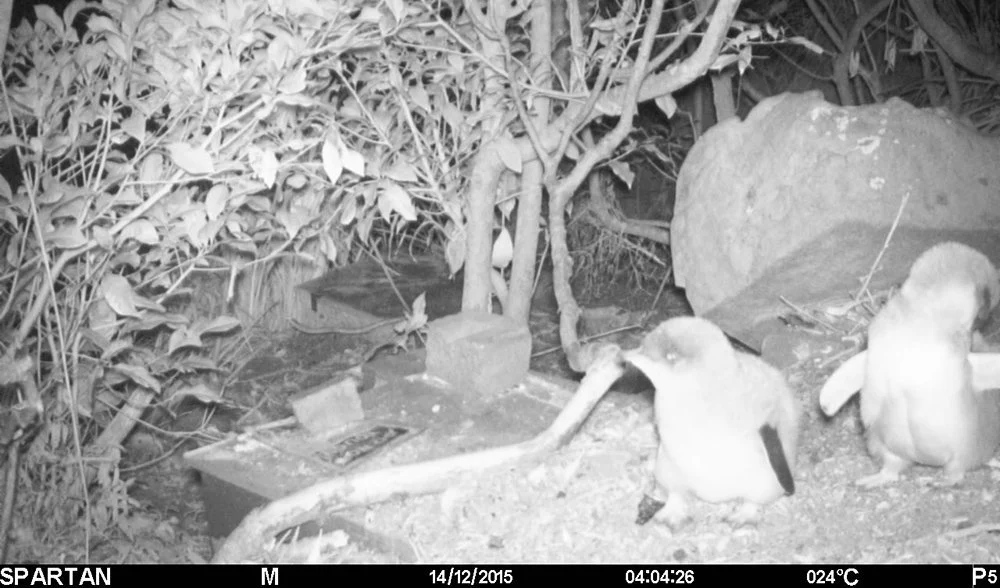
The response to the 2015 attack transformed how the colony is now protected. Motion-sensing cameras, thermal detection equipment, fox-deterrent lighting and dedicated penguin wardens stationed at breeding sites from sunset each evening now form part of an ongoing protective effort coordinated by NSW National Parks and Wildlife Service. Fox baits are laid year-round at North Head, and rapid action including baiting, trapping and shooting follows any confirmed fox detection near the colony. Despite that sustained effort, the colony remains acutely vulnerable. It is small, closely observed and one fox away from another catastrophic event.
How Fox Control Works on the Northern Beaches
Fox management across the Northern Beaches operates as a coordinated program involving NSW National Parks and Wildlife Service, Local Land Services and other agencies with responsibilities across the region. Control activities include shooting, baiting with 1080 poison buried at confirmed activity sites, trapping, fumigation and fencing, with the specific combination of methods determined by the type of land, the species at risk and the level of confirmed activity.
When baiting programs are active in reserves, signage is placed at entry points and adjoining residents receive direct notification. Pet owners need to take particular care during active baiting periods: 1080 poison is lethal to cats and dogs, and a single bait carries enough toxicity to kill either. During baiting periods, affected reserves close to dogs entirely. In the event of accidental poisoning, immediate veterinary attention is essential.
Experts across the field consistently note that partial or isolated control efforts cannot solve the problem long-term. Foxes recolonise areas quickly when control is patchy or interrupted, making sustained effort across contiguous land managed by multiple agencies simultaneously the only approach that delivers meaningful protection for native wildlife.
What Avalon Residents Can Do
Every fox sighting reported strengthens the picture of where foxes are active and where control efforts need to focus. FoxScan, a free resource available to all residents, accepts reports of fox sightings, signs of fox activity, den locations and attacks on native or domestic animals. The FoxScan app is available free on both iOS and Android, and every new entry triggers a notification to the invasive species team responsible for the area.
Beyond reporting, the steps residents take at home carry direct consequences for both foxes and the native wildlife that foxes prey upon. Keeping bin lids closed, using enclosed compost bins, bringing pet food inside overnight, securing chicken coops and rabbit hutches and removing fallen fruit from yards all reduce the food sources that draw foxes into residential and coastal areas. Keeping cats indoors overnight and dogs supervised near bushland removes additional pressure from the already stressed native animals sharing that habitat.
Fox sightings can be reported via the FoxScan app or at feralscan.org.au/foxscan. To report injured native wildlife, contact WIRES on 1300 094 737 or Sydney Wildlife on 9413 4300.
Published 26-February-2026.


